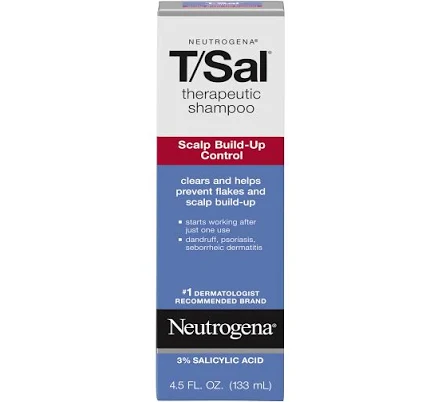
Neutrogena T/Sal Therapeutic Shampoo
Lower concern; standard shampoo with no known PFAS use or water-repellent coating treatment.
This medicated shampoo with salicylic acid lacks documented PFAS-prone coatings, waterproofing, or grease-resistant treatments. Neutrogena makes no PFAS-free claims or holds third-party verification.
We flunk more products than we pass. This one earned its grade. How we grade
Material
aqueous liquid shampoo (salicylic acid, conditioning agents)
Lab data
No public lab test
You may also be interested in
Top-graded picks in the categories readers replace first, every one scored on the same rubric.

- polypropylene filter housing, carbon/sediment cartridge
- We found no PFAS statement from the brand
- Bacterial growth in spent cartridges
3 hazards checked on this product, all on its full breakdown.

Aquasure
Premier Series 75 GPD Under Sink Reverse Osmosis Water Filtration System
- RO membrane, carbon filters, stainless steel housing
- We found no PFAS statement from the brand
- Bacterial and microbial growth in housing and filters
4 hazards checked on this product, all on its full breakdown.

Avocado
Vegan Mattress
- organic cotton, natural latex, coconut coir, recycled steel coils
- The brand calls it PFAS-free, which we have not verified
- Heavy metals
2 hazards checked on this product, all on its full breakdown.
What Neutrogena T/Sal Therapeutic Shampoo is made of, ingredients and materials
Neutrogena T/Sal is an aqueous liquid shampoo formulated around salicylic acid (a beta hydroxy acid) as the active ingredient for scalp treatment, combined with conditioning and emulsifying agents typical of mass-market shampoos. Salicylic acid is well-established in dermatology for keratolytic (skin-shedding) action and has a long history of use in over-the-counter concentrations. The liquid format carries minimal risk of particulate or coating degradation concerns that affect cookware or textiles; primary exposures are dermal contact and inhalation of vapors during use.
What’s concerning
Category baseline
The starting point for this type of product, before anything specific to this product is counted.
No PFAS disclosure
No public statement from the brand about PFAS in this product.
Salicylic acid skin irritation and sensitization
Salicylic acid is a known irritant at higher concentrations or with prolonged contact, especially on sensitive, eczema-prone, or broken skin. Neutrogena T/Sal concentrations (typically 3%) are within typical OTC use ranges, but individual sensitivity varies; some users report scalp burning, dryness, or redness.
Preservative-related contact dermatitis (fragrance and preservatives)
Liquid shampoos require preservatives and fragrances to prevent microbial growth and mask odor. While Neutrogena formulations are generally hypoallergenic-labeled, parabens and fragrance compounds can trigger contact dermatitis in sensitive individuals; no allergen testing data for this specific product is publicly available.
Contamination or microbial growth if improperly stored or maintained
Liquid shampoos can support bacterial or fungal growth if the bottle cap is left unsealed, water enters the bottle, or the product is stored in warm, humid bathrooms for extended periods. No specific recall history for T/Sal on this issue, but standard hygiene precautions apply.
What’s reassuring
Base material not linked to PFAS
The main material recorded for this product is not one associated with PFAS.
Inhalation of volatile components during use
Shampoos do not typically release harmful volatile organic compounds (VOCs) during shower use; the aqueous liquid format and low vapor pressure of salicylic acid and conditioning agents present minimal inhalation risk under normal use.
Heavy metals
Neutrogena T/Sal does not list mineral pigments, talc, or earth-derived colorants as primary ingredients. No credible reports of lead, cadmium, or arsenic contamination in this product line; standard FDA oversight applies to cosmetic manufacturing.
Source, FDA ↗How is this PFAS grade calculated?
The brand's record and disclosure
Neutrogena (owned by Johnson & Johnson) maintains general safety transparency through FDA compliance and product labeling but does not publish detailed ingredient sourcing or third-party testing for this specific shampoo. The brand has faced historical scrutiny over sunscreen safety (unrelated to this product) but T/Sal line itself has no major safety recalls or regulatory actions on public record. Ingredient lists are compliant with FDA cosmetic labeling rules; no independent audits or third-party certifications (e.g., EWG, Leaping Bunny) appear standard for this product tier.
How it compares in its category
Among medicated shampoos, T/Sal is a mainstream OTC option; salicylic acid formulations are widely used and considered low-risk compared to coal tar or ketoconazole alternatives, which carry their own hazard profiles. Liquid shampoos in general carry lower contamination and off-gassing risk than solid bars or powder formats. This product sits in the mid-market safety tier, fewer ingredients and simpler sourcing than luxury brands, but also less transparency and third-party testing than clinical or dermatologist-specific lines.
If you buy it
Use as directed on the label; salicylic acid can irritate sensitive or broken skin, so start with 1-2x weekly if new to the product. Store in a cool, dry place away from direct heat or sunlight to prevent ingredient degradation. Discontinue and consult a dermatologist if irritation, flaking, or allergic reaction occurs. Replace if the product develops an off odor, separation, or discoloration, which may indicate bacterial or chemical instability.
What is not known about PFAS in this product?
- Basis
- Model estimate, 82% confidence, not a lab result
- Lab test
- None on record for this exact product
- Brand statement
- Neutrogena has made a specific claim
Formulations change between production runs, so check the current label. How we grade.
More shampoo grades
How we score, every product runs through the same public 0-100 rubric based on materials, coatings, brand disclosure, lab findings, and recalls. See the full methodology → Spotted a mistake? Report an error.