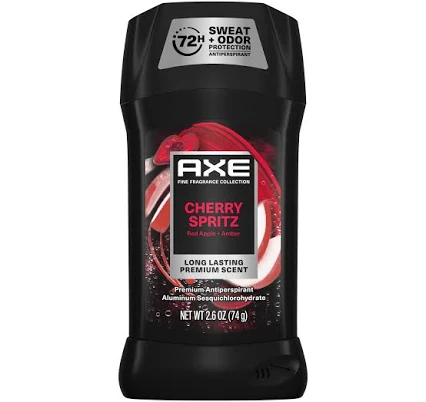
Axe Antiperspirant Deodorant for Men
Low PFAS concern; typical antiperspirant aerosol without water-resistant claims.
This aerosol cosmetic uses hydrocarbon propellant and powder without water-resistant or stain-resistant treatments that commonly contain PFAS. No published lab testing or brand PFAS claims were found.
We flunk more products than we pass. This one earned its grade. How we grade
Material
Propellant (hydrocarbon), aluminum canister, cosmetic powder/fragrance
Brand disclosure
Brand is silent on PFAS
Lab data
No public lab test
You may also be interested in
Top-graded picks in the categories readers replace first, every one scored on the same rubric.

- polypropylene filter housing, carbon/sediment cartridge
- We found no PFAS statement from the brand
- Bacterial growth in spent cartridges
3 hazards checked on this product, all on its full breakdown.

Aquasure
Premier Series 75 GPD Under Sink Reverse Osmosis Water Filtration System
- RO membrane, carbon filters, stainless steel housing
- We found no PFAS statement from the brand
- Bacterial and microbial growth in housing and filters
4 hazards checked on this product, all on its full breakdown.

Avocado
Vegan Mattress
- organic cotton, natural latex, coconut coir, recycled steel coils
- The brand calls it PFAS-free, which we have not verified
- Heavy metals
2 hazards checked on this product, all on its full breakdown.
What Axe Antiperspirant Deodorant for Men is made of, ingredients and materials
Axe antiperspirant is an aerosol spray combining aluminum salts (typically aluminum chlorohydrate) as the active antiperspirant agent, hydrocarbon propellants for dispersion, and cosmetic fragrance and powder. The aluminum compound sits on skin surface to block sweat ducts rather than absorbing systemically in significant amounts. Hydrocarbon propellants (butane, isobutane, propane) are inert once dispensed and carry no established inhalation hazard at consumer spray distances and ventilation.
What’s concerning
Category baseline
The starting point for this type of product, before anything specific to this product is counted.
No PFAS disclosure
No public statement from the brand about PFAS in this product.
Fragrance allergens and sensitizers
Axe deodorants are heavily fragranced; specific fragrance components are not disclosed on packaging. Limonene, linalool, and other common fragrance allergens may be present and could trigger contact dermatitis in sensitive individuals, though incidence is low in the general population.
Inhalation risk from propellant and aerosolized particles
Hydrocarbon propellants and fine cosmetic powder particles become airborne during spray application. Direct inhalation during short sprays in closed spaces (e.g., small bathrooms) may cause mild respiratory irritation in susceptible individuals. Risk is low in typical ventilated use and negligible in open air.
What’s reassuring
Base material not linked to PFAS
The main material recorded for this product is not one associated with PFAS.
Aluminum salt systemic absorption
Aluminum chlorohydrate and zirconium compounds in antiperspirants are applied topically and absorption through intact skin is negligible; no established causal link to Alzheimer's or other systemic disease exists in regulatory or epidemiological literature. Risk increases slightly if applied to broken skin or after shaving.
Heavy metals
No recalls or testing reports document lead, cadmium, or arsenic contamination in Axe deodorant powder. Talc is not listed as an ingredient; most antiperspirant powders use starch or silica. No known safety incident on record for this product.
Source, FDA ↗Formaldehyde / VOCs
Axe does not disclose preservative systems; formaldehyde-releasing preservatives are declining in deodorants but remain possible in budget aerosol lines. No established reports of dermatitis outbreaks or reactions attributed to preservatives in this brand.
Source, ATSDR ↗How is this PFAS grade calculated?
The brand's record and disclosure
Axe (Unilever subsidiary) does not publish detailed allergen, fragrance, or chemical disclosure statements beyond regulatory minimum. The brand has faced no major recalls or safety litigation specific to this product line. No third-party certifications (hypoallergenic, dermatologist-tested claims) are prominently published, suggesting standard cosmetic-grade testing only. Unilever has not signed pledges to eliminate legacy flame retardants or restrict fragrance allergens in deodorants.
How it compares in its category
Axe antiperspirant sits in the mass-market mainstream segment, with aluminum and propellant chemistry identical to most drugstore aerosol antiperspirants. It does not carry premium certifications (organic, reef-safe, EWG verified) that some alternatives offer. Solid stick formats eliminate propellant inhalation risk entirely but may pose lower skin contact. Roll-on and gel formats also exist but are less common in the Axe line.
If you buy it
Apply to clean, dry underarms in a well-ventilated space; brief inhalation during spray application is not a concern in open air. Do not apply to broken or irritated skin; discontinue if rash or burning develops. Replace canister when propellant weakens (spray becomes inconsistent), typically every 2-4 months with daily use. Store at room temperature away from direct heat or flame, as pressurized cans can rupture if heated above 50 degrees Celsius.
What is not known about PFAS in this product?
- Basis
- Model estimate, 72% confidence, not a lab result
- Lab test
- None on record for this exact product
- Brand statement
- Axe has made none
Formulations change between production runs, so check the current label. How we grade.
What are the PFAS-free alternatives to Axe Antiperspirant Deodorant for Men?
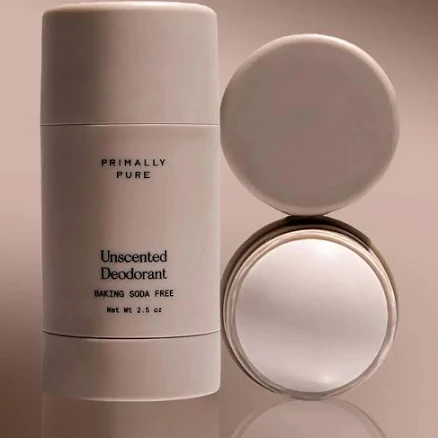
- mineral-based powder blend (arrowroot, magnesium hydroxide, mica)
- We found no PFAS statement from the brand
- Skin irritation from magnesium hydroxide alkalinity
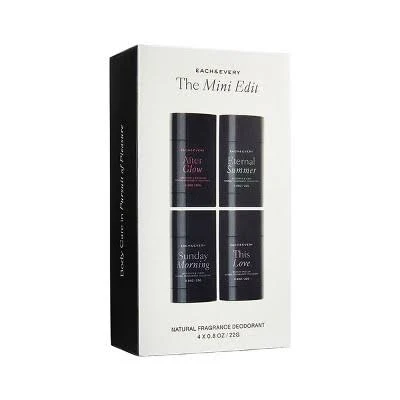
- cosmetic formulations, primary ingredients listed
- A third party reports verifying it as PFAS-free
- Fragrance allergens (natural essential oils)
2 hazards checked on this product, all on its full breakdown.
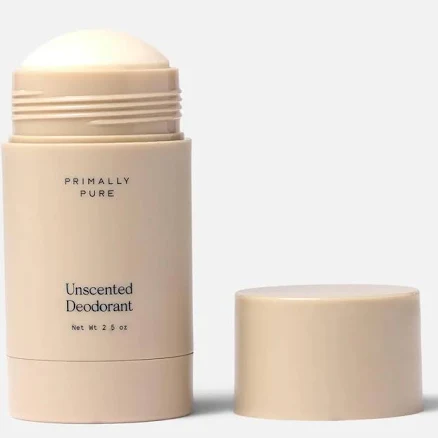
- natural mineral powders, plant-based actives, beeswax
- We found no PFAS statement from the brand
- Beeswax purity and contamination
2 hazards checked on this product, all on its full breakdown.
More deodorant grades
How we score, every product runs through the same public 0-100 rubric based on materials, coatings, brand disclosure, lab findings, and recalls. See the full methodology → Spotted a mistake? Report an error.