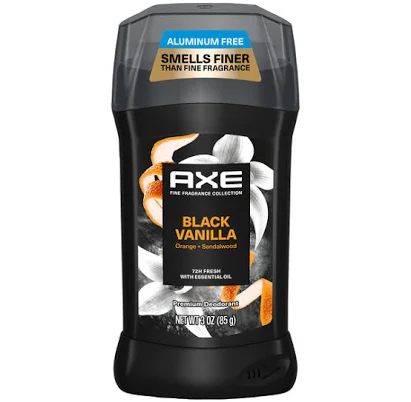
AXE Fine Fragrance Collection Deodorant Stick
Wait for Axe to disclose PFAS status; brand silence on cosmetics is problematic.
This wax-based stick contains no known Teflon-family coating coatings or nonstick surfaces. Axe makes no public PFAS statement, and deodorant sticks sometimes contain water-repellent additives that can harbor PFAS with no independent lab verification available.
The better-graded swap
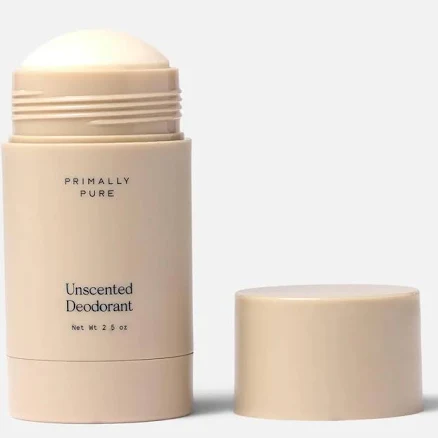
Primally Pure
UNSCENTED SENSITIVE DEODORANT Primally Pure Skincare
100/100 safety
Same rubric that flunked this product. The swap earned Excellent.
Still want this one anyway? Check the price on Amazon. We’d swap it.
Material
Deodorant stick (wax/stearate base, fragrance)
Brand disclosure
Brand is silent on PFAS
Lab data
No public lab test
You may also be interested in
Top-graded picks in the categories readers replace first, every one scored on the same rubric.

- polypropylene filter housing, carbon/sediment cartridge
- We found no PFAS statement from the brand
- Bacterial growth in spent cartridges
3 hazards checked on this product, all on its full breakdown.

Aquasure
Premier Series 75 GPD Under Sink Reverse Osmosis Water Filtration System
- RO membrane, carbon filters, stainless steel housing
- We found no PFAS statement from the brand
- Bacterial and microbial growth in housing and filters
4 hazards checked on this product, all on its full breakdown.

Avocado
Vegan Mattress
- organic cotton, natural latex, coconut coir, recycled steel coils
- The brand calls it PFAS-free, which we have not verified
- Heavy metals
2 hazards checked on this product, all on its full breakdown.
What AXE Fine Fragrance Deodorant Stick is made of, ingredients and materials
Axe Fine Fragrance deodorant sticks are wax and stearate-based (typically a blend of wax, stearic acid, and talc or mineral powder) with added fragrance compounds and preservatives. The primary concern is the fragrance component, Axe uses proprietary fragrance blends rather than listing individual scent chemicals, which obscures potential allergens like limonene, linalool, or eugenol that commonly trigger contact dermatitis. The stick format itself (solid, applied directly to skin) means fragrance concentration is high at the point of application, increasing sensitization risk for vulnerable individuals.
What’s concerning
Category baseline
The starting point for this type of product, before anything specific to this product is counted.
No PFAS disclosure
No public statement from the brand about PFAS in this product.
Fragrance allergens (undisclosed composition)
Axe does not disclose individual fragrance components on packaging or online ingredient lists. Common fragrance allergens like limonene, linalool, and geraniol are likely present but unknown; consumers with fragrance sensitivity or dermatitis history have no way to pre-screen compatibility.
Talc or talc-like mineral powder (skin contact)
Many Axe deodorant formulas list talc or mineral powders as absorbents. While talc itself is not asbestos-contaminated in modern formulas (FDA-regulated), inhalation of powder during application can irritate respiratory passages; chronic use near face poses minor but avoidable risk.
Contact dermatitis from propylene glycol or other humectants
Axe sticks commonly contain propylene glycol to maintain spreadability and moisture. Propylene glycol is a known contact allergen in sensitive populations and can trigger itch or irritation with repeated underarm exposure, especially in occlusive underwear.
Aluminum zirconium compounds (in antiperspirant formulas, if applicable)
If the product is an antiperspirant-deodorant hybrid (rather than deodorant-only), it will contain aluminum zirconium salts. These are approved but debated for long-term underarm exposure; consumers concerned about aluminum accumulation should check product label to confirm if antiperspirant active is present.
What’s reassuring
Base material not linked to PFAS
The main material recorded for this product is not one associated with PFAS.
Formaldehyde / VOCs
No published testing or recalls indicate formaldehyde releasers (e.g., dmdm hydantoin, imidazolidinyl urea) in Axe deodorant. Unilever typically uses preservative systems with lower concern for hazard in mass-market deodorants, but ingredient secrecy means full formulation cannot be confirmed.
Source, ATSDR ↗How is this PFAS grade calculated?
The brand's record and disclosure
Axe (owned by Unilever) has no major product recalls specific to deodorant safety in public records. However, the brand maintains opacity around full fragrance disclosure and has not publicly committed to PFAS avoidance or transparency testing in cosmetics, which is increasingly a red flag for consumer-conscious manufacturers. Unilever has faced criticism for fragrance secrecy across its portfolio but has not revamped Axe's labeling to address this. No third-party certifications (like Leaping Bunny or EWG verification) appear on Axe deodorant packaging.
How it compares in its category
Axe deodorant sits in the mass-market segment with minimal ingredient transparency, similar to Old Spice and other Unilever brands. Compared to natural/indie alternatives (like Schmidt's or Kopari), Axe offers no fragrance ingredient breakdown and relies on conventional preservatives and talc. Compared to prestige deodorants (like Maison Margiela), Axe is lower cost but also lower on disclosure standards. Most conventional deodorants in this price tier share similar fragrance opacity, making Axe unremarkable in category risk.
If you buy it
Perform a 48-hour patch test on inner arm before regular use if you have sensitive skin or history of fragrance contact dermatitis. Apply to clean, dry skin to minimize irritation. Do not apply to broken, irritated, or recently shaved skin (fragrance can sting). If rash, itching, or burning develops, discontinue immediately and rinse with soap and water. Store in cool, dry place; deodorant sticks degrade and can become tacky or uneven in heat above 77 degrees Fahrenheit.
What is not known about PFAS in this product?
- Basis
- Model estimate, 45% confidence, not a lab result
- Lab test
- None on record for this exact product
- Brand statement
- Axe has made none
Formulations change between production runs, so check the current label. How we grade.
What are the PFAS-free alternatives to AXE Fine Fragrance Collection Deodorant Stick?
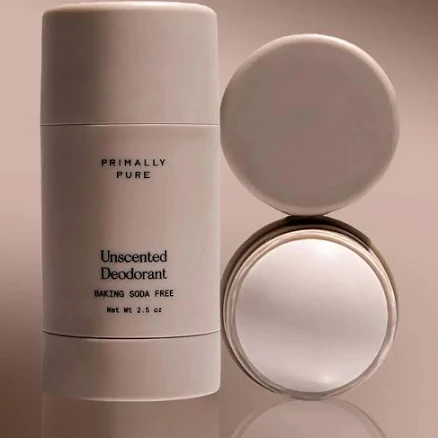
- mineral-based powder blend (arrowroot, magnesium hydroxide, mica)
- We found no PFAS statement from the brand
- Skin irritation from magnesium hydroxide alkalinity
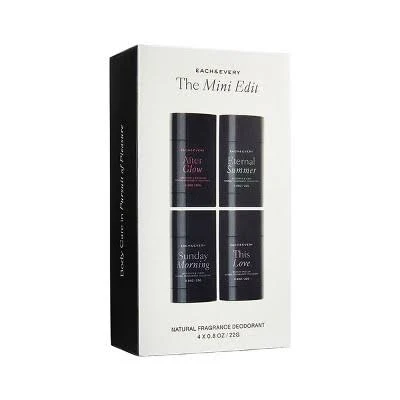
- cosmetic formulations, primary ingredients listed
- A third party reports verifying it as PFAS-free
- Fragrance allergens (natural essential oils)
2 hazards checked on this product, all on its full breakdown.
- natural mineral powders, plant-based actives, beeswax
- We found no PFAS statement from the brand
- Beeswax purity and contamination
2 hazards checked on this product, all on its full breakdown.
More deodorant grades
How we score, every product runs through the same public 0-100 rubric based on materials, coatings, brand disclosure, lab findings, and recalls. See the full methodology → Spotted a mistake? Report an error.