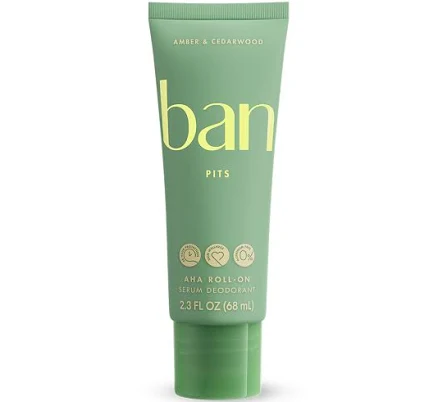
Ban AHA Roll-On Serum Deodorant
Low-medium risk. Liquid serum without known PFAS risk factors.
Ban's roll-on serum is a water-based liquid without water-repellent or nonstick treatments that typically require PFAS. No public disclosures or detections reported.
We flunk more products than we pass. This one earned its grade. How we grade
Material
water-based serum, roll-on applicator (likely polypropylene/steel)
Brand disclosure
Brand is silent on PFAS
Lab data
No public lab test
You may also be interested in
Top-graded picks in the categories readers replace first, every one scored on the same rubric.

- polypropylene filter housing, carbon/sediment cartridge
- We found no PFAS statement from the brand
- Bacterial growth in spent cartridges
3 hazards checked on this product, all on its full breakdown.

Aquasure
Premier Series 75 GPD Under Sink Reverse Osmosis Water Filtration System
- RO membrane, carbon filters, stainless steel housing
- We found no PFAS statement from the brand
- Bacterial and microbial growth in housing and filters
4 hazards checked on this product, all on its full breakdown.

Avocado
Vegan Mattress
- organic cotton, natural latex, coconut coir, recycled steel coils
- The brand calls it PFAS-free, which we have not verified
- Heavy metals
2 hazards checked on this product, all on its full breakdown.
What Ban AHA Roll-On Serum Deodorant is made of, ingredients and materials
Ban AHA Roll-On Serum Deodorant is a water-based liquid formulation, not a traditional antiperspirant stick or spray. The active ingredient is likely an alpha-hydroxy acid (AHA) compound combined with water-soluble deodorant agents. The roll-on applicator is typically polypropylene plastic with a steel or stainless ball, neither of which poses leaching risk at room temperature or during normal skin contact. Water-based serums avoid the volatility and fume concerns associated with powder or aerosol deodorants.
What’s concerning
Category baseline
The starting point for this type of product, before anything specific to this product is counted.
No PFAS disclosure
No public statement from the brand about PFAS in this product.
Fragrance allergens
Ban AHA Roll-On Serum is fragrance-containing. Fragrance is listed as an ingredient but specific allergens (e.g., limonene, linalool) are not disclosed. Sensitive individuals should patch-test or verify fragrance ingredients with the brand directly.
Skin irritation from AHA at high concentration
Alpha-hydroxy acids can cause mild stinging, redness, or sensitization in reactive or damaged skin, especially if used daily. This is an intended mechanism (mild exfoliation) rather than a safety defect, but users with sensitive skin should monitor for adverse reactions.
What’s reassuring
Base material not linked to PFAS
The main material recorded for this product is not one associated with PFAS.
1,4-dioxane (impurity in surfactants)
Water-based serum deodorants may contain ethoxylated surfactants that could harbor trace 1,4-dioxane. No test results or recalls specific to Ban AHA Roll-On confirm this; the risk is theoretical and applies broadly to the category.
Heavy metals
Liquid deodorant serums typically contain minimal pigmentation. No lead, cadmium, or arsenic contamination has been reported in Ban deodorant products; regulatory testing by FDA does not flag this brand.
Source, FDA ↗Formaldehyde / VOCs
No formaldehyde donors (DMDM hydantoin, diazolidinyl urea) have been identified in Ban deodorant formulations reviewed in public safety databases. Water-based serums more commonly use paraben or phenoxyethanol preservatives.
Source, ATSDR ↗How is this PFAS grade calculated?
The brand's record and disclosure
Ban (SC Johnson owned) has a mixed transparency record on ingredient safety. The brand does not appear to have made public commitments to PFAS avoidance or phase-out, though no PFAS-containing formulations have been confirmed in this specific product line. Ban deodorants have not been subject to recent recalls or regulatory warnings related to heavy metals, allergens, or carcinogens. The company does list ingredients on packaging but does not publish third-party safety certifications for this product.
How it compares in its category
Liquid serum deodorants occupy a lower-risk segment compared to aluminum-based antiperspirants or talc powders. This AHA variant is positioned as a gentler alternative to traditional chemical deodorants and sits between natural/mineral deodorants and conventional stick formulas in terms of ingredient complexity. No performance or safety advantages over other water-based or plant-derived deodorants are established, but no disadvantages either. Price and consumer preference are the main differentiators.
If you buy it
Roll-on applicators should be stored upright at room temperature and kept clean to prevent bacterial growth at the ball applicator. Do not expose the container to direct heat or leave in hot vehicles, as the plastic housing (though not hazardous) may warp. Replace every 6-12 months or when the serum separates or thickens. If skin irritation develops, discontinue use; water-based formulas with AHAs can cause mild sensitization in very reactive skin, though this is not unique to Ban's product.
What is not known about PFAS in this product?
- Basis
- Model estimate, 72% confidence, not a lab result
- Lab test
- None on record for this exact product
- Brand statement
- Ban has made none
Formulations change between production runs, so check the current label. How we grade.
What are the PFAS-free alternatives to Ban AHA Roll-On Serum Deodorant?
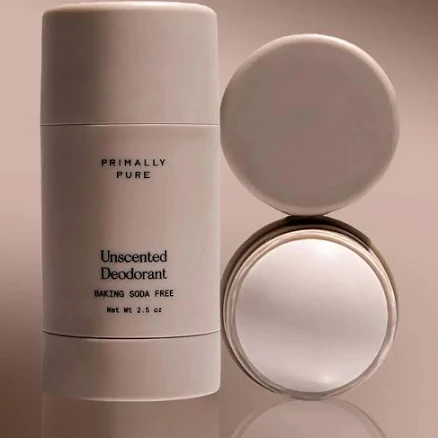
- mineral-based powder blend (arrowroot, magnesium hydroxide, mica)
- We found no PFAS statement from the brand
- Skin irritation from magnesium hydroxide alkalinity
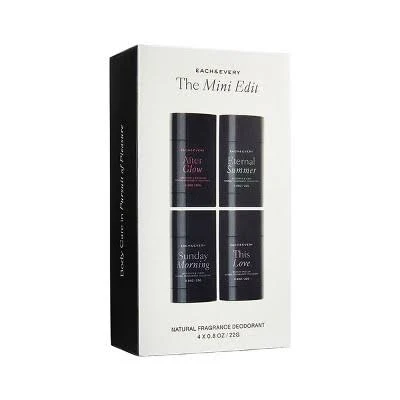
- cosmetic formulations, primary ingredients listed
- A third party reports verifying it as PFAS-free
- Fragrance allergens (natural essential oils)
2 hazards checked on this product, all on its full breakdown.
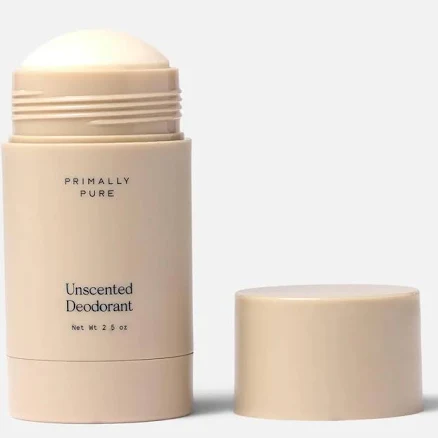
- natural mineral powders, plant-based actives, beeswax
- We found no PFAS statement from the brand
- Beeswax purity and contamination
2 hazards checked on this product, all on its full breakdown.
More deodorant grades
How we score, every product runs through the same public 0-100 rubric based on materials, coatings, brand disclosure, lab findings, and recalls. See the full methodology → Spotted a mistake? Report an error.