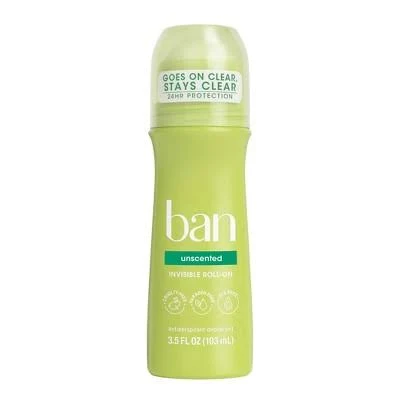
Ban Antiperspirant Deodorant Roll On
Lower PFAS concern, no water-resistant claims detected.
Ban's roll-on uses standard cosmetic ingredients without advertised water-resistant or nonstick coatings. No PFAS disclosures or claims found.
We flunk more products than we pass. This one earned its grade. How we grade
Material
Water-based emulsion, aluminum salts, glycol, starch
Brand disclosure
Brand is silent on PFAS
Lab data
No public lab test
You may also be interested in
Top-graded picks in the categories readers replace first, every one scored on the same rubric.

- polypropylene filter housing, carbon/sediment cartridge
- We found no PFAS statement from the brand
- Bacterial growth in spent cartridges
3 hazards checked on this product, all on its full breakdown.

Aquasure
Premier Series 75 GPD Under Sink Reverse Osmosis Water Filtration System
- RO membrane, carbon filters, stainless steel housing
- We found no PFAS statement from the brand
- Bacterial and microbial growth in housing and filters
4 hazards checked on this product, all on its full breakdown.

Avocado
Vegan Mattress
- organic cotton, natural latex, coconut coir, recycled steel coils
- The brand calls it PFAS-free, which we have not verified
- Heavy metals
2 hazards checked on this product, all on its full breakdown.
What Ban Antiperspirant Deodorant Roll On is made of, ingredients and materials
Ban Roll-On is a water-based emulsion containing aluminum salts (the active antiperspirant), glycols (humectants/preservative carriers), and starch (absorbent). The water base reduces volatility compared to aerosol sprays, lowering inhalation risk. Aluminum salts work by forming plugs in sweat ducts; they are absorbed minimally through skin but accumulate over months of daily use, which is why some consumers prefer aluminum-free alternatives despite safety regulatory approval.
What’s concerning
Category baseline
The starting point for this type of product, before anything specific to this product is counted.
No PFAS disclosure
No public statement from the brand about PFAS in this product.
Aluminum absorption and systemic accumulation
Aluminum salts in antiperspirants are absorbed through skin in small amounts. Long-term daily use results in aluminum buildup in tissues; health significance remains debated by regulators (FDA has set approved levels for use) but some consumers avoid aluminum due to unproven links to neurological health. No Ban-specific toxicology data is published.
Fragrance allergens and sensitizers
Ban Roll-On formulas contain undisclosed fragrance compounds. Fragrance is a common contact allergen and irritant in personal care products; sensitive individuals may experience dermatitis or respiratory irritation. Ban does not list individual fragrance constituents, limiting allergen avoidance for susceptible users.
Glycol skin irritation and occlusion
Propylene glycol and similar glycols in water-based roll-ons can cause irritation in individuals with sensitive or compromised skin barrier. Occlusive nature may trap moisture and promote bacterial growth if applied to broken skin or used excessively.
Bacterial and fungal growth on roller ball
Roll-on applicators are known vectors for bacterial and fungal colonization due to repeated skin contact and moisture retention. Ban does not disclose antimicrobial treatment of the roller mechanism. Regular cleaning or replacement of the applicator is necessary to limit cross-contamination.
What’s reassuring
Base material not linked to PFAS
The main material recorded for this product is not one associated with PFAS.
Formaldehyde / VOCs
No independent analysis or regulatory filing indicates formaldehyde-releasing preservatives (e.g., DMDM hydantoin) in Ban Roll-On. Standard preservative systems are not typically documented in mass-market antiperspirant labeling.
Source, ATSDR ↗How is this PFAS grade calculated?
The brand's record and disclosure
Ban (owned by Energizer) does not prominently disclose full ingredient sourcing or third-party testing. The brand has no major safety recalls or contamination scandals on public record. It is not certified organic, cruelty-free, or by independent bodies like EWG. Ingredient transparency is standard consumer-product labeling only, with no voluntary beyond-label communication detected.
How it compares in its category
Ban Roll-On sits in the mainstream aluminum-based deodorant segment, competing against Secret, Dove, and store brands. It lacks the premium positioning of natural or aluminum-free products (Tom's, Native, crystal deodorants) and offers no sustainability or ethical certifications. Price and availability are typical for mass-market antiperspirants; efficacy claims are standard 48-hour protection.
If you buy it
Apply to clean, dry underarms once daily or as needed; avoid application immediately after shaving (irritation risk). Do not ingest. Discontinue if rash or persistent irritation develops. Roll-on formulas do not require special storage but should be kept at room temperature away from heat; cap tightly to prevent drying. Replace when product is visibly depleted or after 12 months of opening to minimize bacterial colonization of the roller ball.
What is not known about PFAS in this product?
- Basis
- Model estimate, 72% confidence, not a lab result
- Lab test
- None on record for this exact product
- Brand statement
- Ban has made none
Formulations change between production runs, so check the current label. How we grade.
What are the PFAS-free alternatives to Ban Antiperspirant Deodorant Roll On?
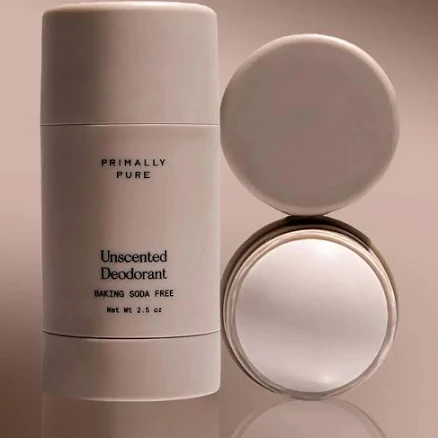
- mineral-based powder blend (arrowroot, magnesium hydroxide, mica)
- We found no PFAS statement from the brand
- Skin irritation from magnesium hydroxide alkalinity
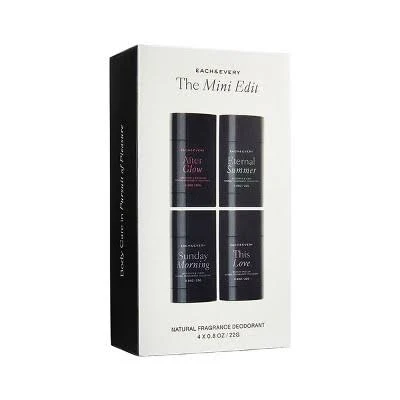
- cosmetic formulations, primary ingredients listed
- A third party reports verifying it as PFAS-free
- Fragrance allergens (natural essential oils)
2 hazards checked on this product, all on its full breakdown.
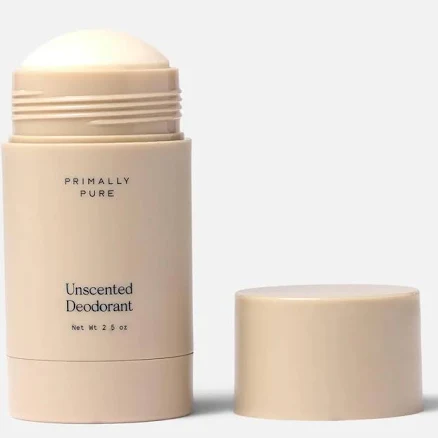
- natural mineral powders, plant-based actives, beeswax
- We found no PFAS statement from the brand
- Beeswax purity and contamination
2 hazards checked on this product, all on its full breakdown.
More deodorant grades
How we score, every product runs through the same public 0-100 rubric based on materials, coatings, brand disclosure, lab findings, and recalls. See the full methodology → Spotted a mistake? Report an error.