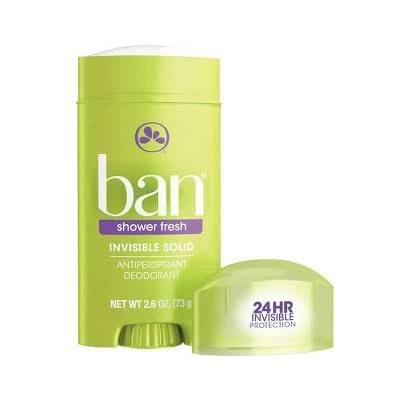
Ban Invisible Solid Antiperspirant Deodorant
Low-medium risk. Standard solid stick with no known PFAS-prone treatments.
Ban Invisible Solid uses wax and minerals without water-repellent or nonstick treatments linked to PFAS. No brand PFAS disclosure exists, though solid deodorants carry minimal risk.
We flunk more products than we pass. This one earned its grade. How we grade
Material
Wax and mineral-based solid stick
Brand disclosure
Brand is silent on PFAS
Lab data
No public lab test
You may also be interested in
Top-graded picks in the categories readers replace first, every one scored on the same rubric.

- polypropylene filter housing, carbon/sediment cartridge
- We found no PFAS statement from the brand
- Bacterial growth in spent cartridges
3 hazards checked on this product, all on its full breakdown.

Aquasure
Premier Series 75 GPD Under Sink Reverse Osmosis Water Filtration System
- RO membrane, carbon filters, stainless steel housing
- We found no PFAS statement from the brand
- Bacterial and microbial growth in housing and filters
4 hazards checked on this product, all on its full breakdown.

Avocado
Vegan Mattress
- organic cotton, natural latex, coconut coir, recycled steel coils
- The brand calls it PFAS-free, which we have not verified
- Heavy metals
2 hazards checked on this product, all on its full breakdown.
What Ban Invisible Solid Deodorant is made of, ingredients and materials
Ban Invisible Solid is a paraffin-wax and mineral-oil based stick antiperspirant, the most common formulation in mass-market deodorants. The solid matrix minimizes need for emulsifiers, solvents, or propellants that trigger contamination concerns in sprays or gels. Aluminum compounds (typically aluminum chlorohydrate) deliver the antiperspirant effect; they are localized to skin application with minimal systemic absorption at typical use levels. No fragrance allergen list is publicly disclosed by the brand, but the product uses standard synthetic fragrance blends common across Ban's line.
What’s concerning
Category baseline
The starting point for this type of product, before anything specific to this product is counted.
No PFAS disclosure
No public statement from the brand about PFAS in this product.
Aluminum salts (systemic absorption risk)
Antiperspirant aluminum chlorohydrate is applied topically; dermal penetration is low under normal use. Long-term daily exposure remains epidemiologically debated but not established as a toxicity hazard at deodorant concentrations. Ban does not disclose aluminum compound type or concentration.
Fragrance allergens and sensitizers
Ban Invisible lists fragrance as an ingredient but does not itemize components. Synthetic fragrance blends may contain limonene, linalool, or other sensitizers that trigger contact dermatitis in sensitive individuals. No allergen disclosure is provided.
What’s reassuring
Base material not linked to PFAS
The main material recorded for this product is not one associated with PFAS.
Talc or talc-like powder excipients
No talc is identified in Ban Invisible Solid's published formulation. Solid stick products typically use starch or silica as absorbers, not talc, reducing asbestos contamination risk.
Heavy metals
Ban Invisible Solid uses approved FD&C colorants and mica; no lead, cadmium, or arsenic contamination has been reported or recalled. Standard cosmetic pigment sourcing applies.
Source, FDA ↗Formaldehyde / VOCs
Solid wax sticks do not rely on aqueous preservatives that generate formaldehyde (such as DMDM hydantoin). Ban's formulation appears to use paraben or phenolic preservatives; no known formaldehyde-release issue has been documented.
Source, ATSDR ↗How is this PFAS grade calculated?
The brand's record and disclosure
Ban (SC Johnson subsidiary) does not publish detailed ingredient sourcing, heavy-metal testing, or fragrance component transparency. The brand has not faced major safety recalls or contamination lawsuits in recent decades. No third-party certifications (clean beauty, dermatologist endorsement, or fragrance-free status) are claimed. Ban's parent company has faced historical criticism on transparency but maintains compliance with FDA cosmetic regulations and CLP labeling in EU markets.
How it compares in its category
Solid stick antiperspirants like Ban rank lower-risk than spray deodorants (no inhalation concerns) and aluminum-free natural sticks (which often substitute untested essential oils or plant extracts). Ban Invisible is a conservative, well-tested formulation used by millions; it is mid-tier in transparency compared to indie brands that publish third-party safety data, but ahead of no-disclosure budget brands. The product has stable market presence, indicating consistent manufacturing and no endemic quality-control red flags.
If you buy it
Apply to clean, dry skin in thin strokes; avoid open cuts or irritated underarm skin, as aluminum salts can sting. Store below 25C to prevent the wax base softening and deforming in the stick. Replace every 6-8 weeks for hygiene. If you develop rash, contact dermatitis, or axillary irritation after first use, patch-test on inner arm before reuse. Rinse hands immediately after application to avoid accidental ingestion residue.
What is not known about PFAS in this product?
- Basis
- Model estimate, 72% confidence, not a lab result
- Lab test
- None on record for this exact product
- Brand statement
- Ban has made none
Formulations change between production runs, so check the current label. How we grade.
What are the PFAS-free alternatives to Ban Invisible Solid Antiperspirant Deodorant?
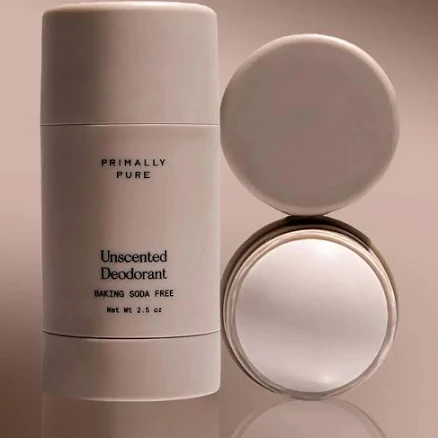
- mineral-based powder blend (arrowroot, magnesium hydroxide, mica)
- We found no PFAS statement from the brand
- Skin irritation from magnesium hydroxide alkalinity
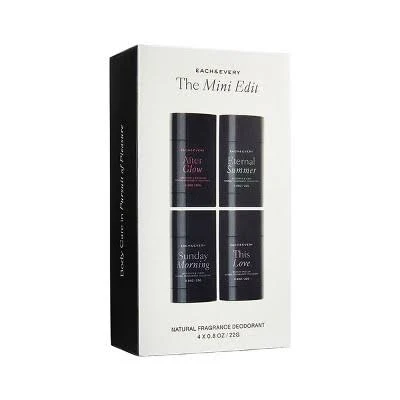
- cosmetic formulations, primary ingredients listed
- A third party reports verifying it as PFAS-free
- Fragrance allergens (natural essential oils)
2 hazards checked on this product, all on its full breakdown.
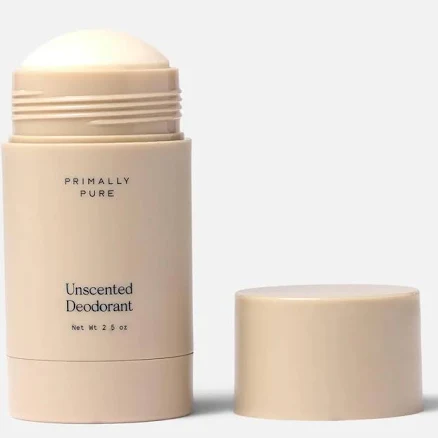
- natural mineral powders, plant-based actives, beeswax
- We found no PFAS statement from the brand
- Beeswax purity and contamination
2 hazards checked on this product, all on its full breakdown.
More deodorant grades
How we score, every product runs through the same public 0-100 rubric based on materials, coatings, brand disclosure, lab findings, and recalls. See the full methodology → Spotted a mistake? Report an error.