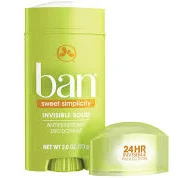
Ban Invisible Solid Antiperspirant Deodorant Sweet Simplicity Scent 2.6oz
Low-medium risk. Typical solid stick without waterproofing.
Ban's starch-based solid antiperspirant has no published waterproof or water-resistant coating, reducing typical PFAS pathways. No brand PFAS disclosure or independent testing found.
We flunk more products than we pass. This one earned its grade. How we grade
Material
Starch-based solid stick antiperspirant/deodorant
Brand disclosure
Brand is silent on PFAS
Lab data
No public lab test
You may also be interested in
Top-graded picks in the categories readers replace first, every one scored on the same rubric.

- polypropylene filter housing, carbon/sediment cartridge
- We found no PFAS statement from the brand
- Bacterial growth in spent cartridges
3 hazards checked on this product, all on its full breakdown.

Aquasure
Premier Series 75 GPD Under Sink Reverse Osmosis Water Filtration System
- RO membrane, carbon filters, stainless steel housing
- We found no PFAS statement from the brand
- Bacterial and microbial growth in housing and filters
4 hazards checked on this product, all on its full breakdown.

Avocado
Vegan Mattress
- organic cotton, natural latex, coconut coir, recycled steel coils
- The brand calls it PFAS-free, which we have not verified
- Heavy metals
2 hazards checked on this product, all on its full breakdown.
What Ban Invisible Solid Simplicity Scent is made of, ingredients and materials
Ban Invisible Solid is a starch-based antiperspirant stick, meaning it uses starches (likely corn or tapioca) as the base instead of talc or mineral oils. Starch-based formulas were developed specifically to reduce inhalation and dermal irritation risks associated with talc and powder exposure. The active antiperspirant ingredient is typically aluminum-based (aluminum chlorohydrate or similar), which is industry standard and FDA-regulated; the 'invisible' designation refers to the formula leaving minimal white residue on skin and clothing.
What’s concerning
Category baseline
The starting point for this type of product, before anything specific to this product is counted.
No PFAS disclosure
No public statement from the brand about PFAS in this product.
Aluminum-based antiperspirant (systemic absorption risk)
Aluminum chlorohydrate is FDA-approved as an antiperspirant active and is absorbed transdermally at low rates. No causality has been established between antiperspirant use and Alzheimer's or other systemic disease in peer-reviewed epidemiology, but dermal absorption of aluminum is measurable and individual sensitivity varies; those with kidney impairment should consult a physician before regul
Fragrance allergens (Sweet Simplicity scent)
Ban does not disclose specific fragrance constituents; synthetic fragrance blends typically contain 50-200 chemicals, some of which (limonene, linalool, geraniol) are common allergens and skin sensitizers. Risk is generally low for non-sensitive skin but relevant for those with fragrance contact dermatitis or asthma.
Skin irritation or contact dermatitis from formula additives
Isolated consumer reports on dermatology forums describe itching or mild rash from Ban antiperspirants, consistent with aluminum sensitivity or fragrance reaction rather than systemic toxicity. Incidence is not quantified in published data, but represents a known minor risk in the solid antiperspirant category.
What’s reassuring
Base material not linked to PFAS
The main material recorded for this product is not one associated with PFAS.
Formaldehyde / VOCs
No public information indicates Ban Invisible Solid contains formaldehyde-releasing preservatives (DMDM hydantoin, diazolidinyl urea). Starch-based solids typically use unrelated preservatives, but full ingredient disclosure is not published; this remains unconfirmed.
Source, ATSDR ↗Microplastic or synthetic polymer shedding
Starch-based formulas do not typically contain microplastics or synthetic polymers; however, some solid deodorants use cyclodextrin or silicone derivatives that could shed particulates. Ban does not publish polymer content data for this product.
How is this PFAS grade calculated?
The brand's record and disclosure
Ban (Church & Dwight Co.) does not maintain published PFAS-specific transparency statements but uses standard solid-stick formulations without water-resistant or waterproofing technologies that would typically trigger PFAS use in deodorants. The brand has not faced major safety recalls or complaints related to this product line on public databases. Church & Dwight has faced historical talc litigation (acquired from other brands) but Ban itself has marketed starch-based formulas as a talc-free alternative.
How it compares in its category
Starch-based solid antiperspirants like this one sit in the mainstream middle of the category, lower inhalation risk than talc powders, but not as extensively tested as clinical-strength formulas or natural alternatives using plant-based actives. PFAS profiles for typical solid sticks without waterproofing claims are generally lower than spray or gel products, which often require emulsifiers and solvents. Ban Invisible lacks third-party certifications (EWG Verified, NSF) that some premium or natural brands pursue, but operates within standard regulatory safety margins.
If you buy it
Apply to clean, dry underarm skin; avoid application immediately after shaving or on broken skin, as aluminum compounds can cause irritation in those contexts. Store in a cool, dry place; do not expose to direct heat above 50C (122F) as the starch-based formula may soften or separate. Replace every 6-12 months or when the stick is nearly depleted to minimize bacterial growth in the container. If you experience skin redness, itching, or rash after use, discontinue and rinse thoroughly; aluminum sensitivity is rare but possible.
What is not known about PFAS in this product?
- Basis
- Model estimate, 72% confidence, not a lab result
- Lab test
- None on record for this exact product
- Brand statement
- Ban has made none
Formulations change between production runs, so check the current label. How we grade.
What are the PFAS-free alternatives to Ban Invisible Solid Antiperspirant Deodorant Sweet Simplicity Scent 2.6oz?
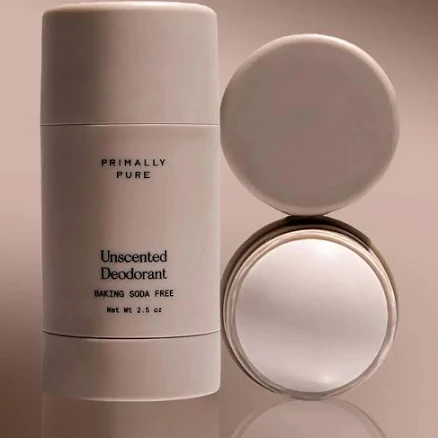
- mineral-based powder blend (arrowroot, magnesium hydroxide, mica)
- We found no PFAS statement from the brand
- Skin irritation from magnesium hydroxide alkalinity
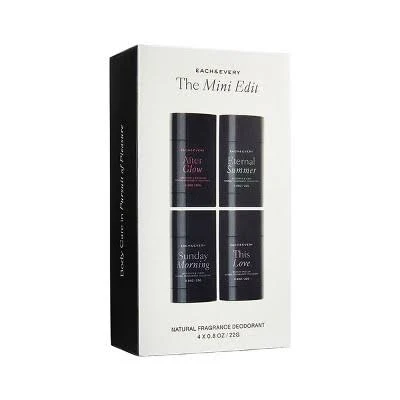
- cosmetic formulations, primary ingredients listed
- A third party reports verifying it as PFAS-free
- Fragrance allergens (natural essential oils)
2 hazards checked on this product, all on its full breakdown.
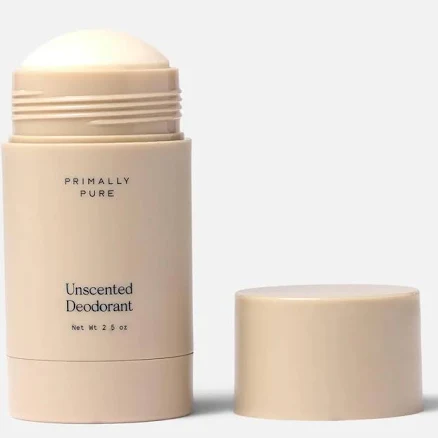
- natural mineral powders, plant-based actives, beeswax
- We found no PFAS statement from the brand
- Beeswax purity and contamination
2 hazards checked on this product, all on its full breakdown.
More deodorant grades
How we score, every product runs through the same public 0-100 rubric based on materials, coatings, brand disclosure, lab findings, and recalls. See the full methodology → Spotted a mistake? Report an error.