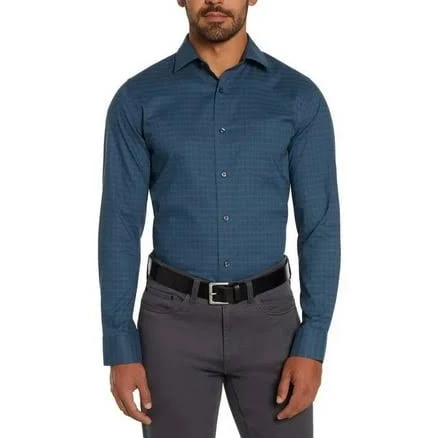
Banana Republic · Wrinkle-Free Dress Shirts
Banana Republic Men's Slim Fit Non-Iron Dress Shirt
Skip or verify independently; non-iron dress shirts commonly use PFAS-based finishes.
Banana Republic's non-iron designation indicates a durable press or wrinkle-resistant resin coating, historically made with PFAS chemistry. The brand provides no PFAS policy or disclosure.
The better-graded swap
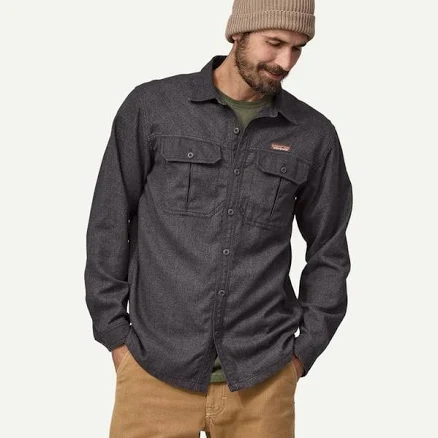
Patagonia
Patagonia Men's Farrier's Work Shirt
90/100 safety
Same rubric that flunked this product. The swap earned Excellent.
Still want this one anyway? Check the price on Amazon. We’d swap it.
Material
cotton-blend with non-iron finish (likely resin treatment)
Brand disclosure
Brand is silent on PFAS
Lab data
No public lab test
You may also be interested in
Top-graded picks in the categories readers replace first, every one scored on the same rubric.

- polypropylene filter housing, carbon/sediment cartridge
- We found no PFAS statement from the brand
- Bacterial growth in spent cartridges
3 hazards checked on this product, all on its full breakdown.

Aquasure
Premier Series 75 GPD Under Sink Reverse Osmosis Water Filtration System
- RO membrane, carbon filters, stainless steel housing
- We found no PFAS statement from the brand
- Bacterial and microbial growth in housing and filters
4 hazards checked on this product, all on its full breakdown.

Avocado
Vegan Mattress
- organic cotton, natural latex, coconut coir, recycled steel coils
- The brand calls it PFAS-free, which we have not verified
- Heavy metals
2 hazards checked on this product, all on its full breakdown.
What Banana Republic Men's Slim Fit Dress Shirt is made of, ingredients and materials
Non-iron dress shirts typically use formaldehyde-based resin treatments bonded to cotton fibers to create permanent wrinkle resistance. Banana Republic does not publicly disclose the specific resin chemistry of this shirt. The cotton-blend composition (exact synthetic percentage unstated in available materials) means both natural and synthetic fibers are present, each with different chemical finish compatibility. These finishes can release formaldehyde during wear, especially with heat exposure or perspiration.
What’s concerning
Category baseline
The starting point for this type of product, before anything specific to this product is counted.
No PFAS disclosure
No public statement from the brand about PFAS in this product.
Waterproof / stain-resistant treatment
Water-repellent coating treatments have historically used PFAS.
Formaldehyde / VOCs
Non-iron cotton-blend dress shirts rely on formaldehyde-based resins to bond wrinkle resistance to fibers. Banana Republic does not disclose resin type or formaldehyde concentration, making this a probable but unconfirmed hazard for this specific product.
Source, ATSDR ↗Formaldehyde / VOCs
New non-iron dress shirts can release low levels of formaldehyde vapor during wear and heat exposure. Pre-washing reduces but may not eliminate residual monomer. Individual sensitivity varies; symptoms include eye irritation, throat discomfort, or skin sensitization in susceptible wearers.
Source, ATSDR ↗Synthetic fiber content (composition unknown)
The exact polyester or synthetic fiber blend percentage is not disclosed in available product information. Some synthetic fibers may shed microfibers during washing, though the extent depends on blend ratio and weave density.
Coating degradation and chemical leaching over time
Non-iron finishes degrade with repeated washing and heat; as resin bonds break down, formaldehyde release may increase in early lifecycle. The shirt may lose wrinkle resistance before chemical exposure stabilizes, signaling time for replacement.
What’s reassuring
Azo dyes and synthetic colorants
No specific recalls or public complaints regarding azo dye contamination in Banana Republic dress shirts are on record. Apparel dyes in this price range typically meet EU and US regulations, but transparency on dye chemistry is absent.
How is this PFAS grade calculated?
The brand's record and disclosure
Banana Republic (owned by Tapestry Inc.) has no published restricted substances list, GOTS certification, or formal PFAS commitment specific to apparel. The brand does not disclose finishing chemistry on product hang tags or websites. No recalls or public safety allegations specific to formaldehyde or chemical finishes in Banana Republic dress shirts are on record, but this absence of disclosure makes independent verification of safety claims impossible. The parent company Tapestry maintains general sustainability commitments but does not extend to garment chemical transparency.
How it compares in its category
Non-iron dress shirts from mass-market brands (including Banana Republic, J.Crew, Brooks Brothers) almost uniformly use formaldehyde-based finishes; few disclose this openly. Premium alternatives certified by Oeko-Tex or Cradle to Cradle exist but cost 30-60% more and are less wrinkle-resistant. 100% cotton non-iron shirts remain chemically treated but may use lower-formaldehyde processes; Banana Republic's blended composition and silence on methods places it in the middle of risk uncertainty for this category. Comparison is difficult without chemistry data from the manufacturer.
If you buy it
Wash the shirt 2-3 times in warm water before first wear to reduce surface formaldehyde residue. Air-dry or tumble-dry on low heat; avoid high heat, which can accelerate off-gassing. Replace the shirt if you notice persistent chemical odor after washing, as this may indicate high residual resin. Store in a ventilated closet, not a sealed garment bag, to minimize formaldehyde vapor accumulation in fabric.
What is not known about PFAS in this product?
- Basis
- Model estimate, 35% confidence, not a lab result
- Lab test
- None on record for this exact product
- Brand statement
- Banana Republic has made none
Formulations change between production runs, so check the current label. How we grade.
What are the PFAS-free alternatives to Banana Republic Men's Slim Fit Non-Iron Dress Shirt?
- Organic cotton, standard construction
- The brand calls it PFAS-free, which we have not verified
- Formaldehyde / VOCs
2 hazards checked on this product, all on its full breakdown.
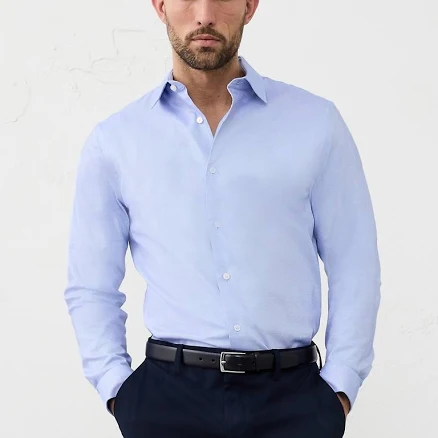
- Cotton/cotton-blend woven fabric
- We found no PFAS statement from the brand
- Formaldehyde / VOCs
3 hazards checked on this product, all on its full breakdown.
Find an alternative on Amazon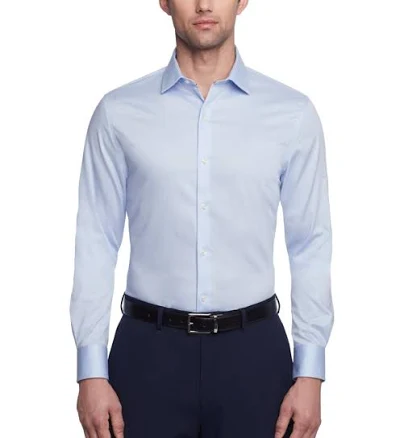
- cotton/polyester blend dress shirt
- We found no PFAS statement from the brand
- Formaldehyde / VOCs
3 hazards checked on this product, all on its full breakdown.
Find an alternative on AmazonMore wrinkle-free dress shirts grades
How we score, every product runs through the same public 0-100 rubric based on materials, coatings, brand disclosure, lab findings, and recalls. See the full methodology → Spotted a mistake? Report an error.