Patagonia · Wrinkle-Free Dress Shirts
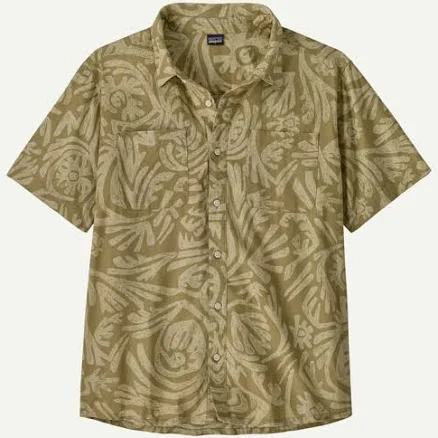
Patagonia Men's Back Step Shirt
A water-repellent or grease-resistant treatment of unstated chemistry, with a brand PFAS statement we have not verified.
Patagonia says 100% of its new products from Spring 2025 are made without intentionally added PFAS. We record that as an unverified brand claim. Its record describes a water-repellent or grease-resistant treatment of unstated chemistry, which is still counted.
Brand says: “Patagonia says 100% of its new products from Spring 2025 are made without intentionally added PFAS.”
The better-graded swap
Patagonia
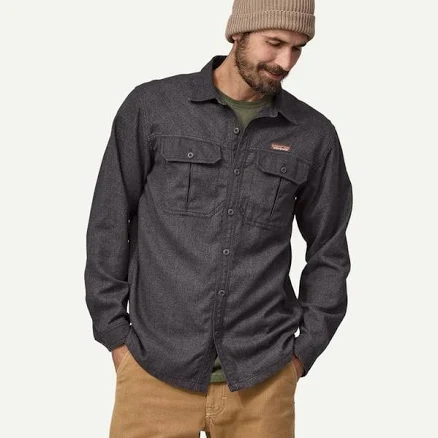
Patagonia Men's Farrier's Work Shirt
90/100 safety
Same rubric that flunked this product. The swap earned Excellent.
Still want this one anyway? Check the price on Amazon. We’d swap it.
Material
Recycled polyester with water-repellent coating finish
Brand disclosure
Brand claims PFAS-free
Lab data
No public lab test
You may also be interested in
Top-graded picks in the categories readers replace first, every one scored on the same rubric.

- polypropylene filter housing, carbon/sediment cartridge
- We found no PFAS statement from the brand
- Bacterial growth in spent cartridges
3 hazards checked on this product, all on its full breakdown.

Aquasure
Premier Series 75 GPD Under Sink Reverse Osmosis Water Filtration System
- RO membrane, carbon filters, stainless steel housing
- We found no PFAS statement from the brand
- Bacterial and microbial growth in housing and filters
4 hazards checked on this product, all on its full breakdown.

Avocado
Vegan Mattress
- organic cotton, natural latex, coconut coir, recycled steel coils
- The brand calls it PFAS-free, which we have not verified
- Heavy metals
2 hazards checked on this product, all on its full breakdown.
What Patagonia Men's Back Step Shirt is made of, ingredients and materials
This shirt is constructed from recycled polyester, a synthetic fiber made by processing post-consumer or post-industrial plastic waste into yarn. Recycled polyester itself poses no known toxicity risks during normal wear. However, the garment carries a water-repellent coating (water-repellent coating) finish applied to the fabric surface to improve water shedding and stain resistance. The chemical composition of this water-repellent coating treatment is not disclosed in publicly available product information, which creates uncertainty about whether it contains PFAS or other persistent chemicals.
What’s concerning
Category baseline
The starting point for this type of product, before anything specific to this product is counted.
Waterproof / stain-resistant treatment
Water-repellent coating treatments have historically used PFAS.
Azo dyes and color fugacity
Recycled polyester garments may contain residual azo dyes from the original material. No specific dye concerns have been reported for this product, but synthetic dyes in textiles can release allergens or irritants in sensitive individuals, particularly on wet skin or during high-temperature washing.
Formaldehyde / VOCs
Wrinkle-free and shape-retention finishes traditionally rely on formaldehyde-releasing compounds. Patagonia's materials disclosure does not specify the wrinkle-resistance chemistry; if present, low-level off-gassing is most pronounced in the first few washes and diminishes rapidly with ventilation.
Source, ATSDR ↗water-repellent coating finish composition (unverified)
The specific water-repellent treatment applied to this shirt has not been publicly disclosed. Patagonia claims PFAS-free status, but independent laboratory confirmation of this garment is not on record. The finish itself poses minimal risk during normal wear but may leach slightly into water during washing.
Microplastic shedding
All polyester garments, including recycled polyester, shed microfibers during washing. The quantity released is higher in the first 5-10 washes. Using a microfiber-catching laundry bag or filter can reduce environmental release but does not pose direct health risk to the wearer.
What’s reassuring
Brand-stated PFAS-free
The brand states this product is PFAS-free. We have not verified the claim.
Antimony in polyester fiber
Polyester production sometimes involves antimony as a catalyst. Recycled polyester sourcing and purity standards are not specified for this product, but no documented contamination events or regulatory concerns exist for finished Patagonia apparel in this category.
How is this PFAS grade calculated?
The brand's record and disclosure
Patagonia has made a public commitment to eliminate PFAS from its product line and supply chain, positioning itself as a leader in this area among apparel brands. However, the company's disclosure of specific water-repellent coating chemistry for individual products like this shirt remains limited, and third-party verification of the PFAS-free claim for this particular item is not publicly documented. Patagonia does maintain robust environmental and labor certifications and has historically been transparent about manufacturing impacts, though independent testing of finished garments is rare in the industry.
How it compares in its category
Wrinkle-free dress shirts typically rely on chemical finishes (often azo dyes and formaldehyde-based resins or water-repellent coating coatings) to achieve their performance properties. Patagonia's use of recycled polyester instead of virgin synthetic fiber represents an environmental improvement, though it does not eliminate finish chemistry concerns. Many competitors in the category offer similar water-repellent coating-finished polyester options without equivalent transparency commitments, making Patagonia's stated PFAS-free position relatively stronger, assuming it is verified.
If you buy it
Wash the shirt in cool water before wearing to remove any residual dyes or finish chemicals, then follow standard care instructions (machine wash, tumble dry on low). Do not dry clean, as organic solvents can degrade the water-repellent coating finish and potentially mobilize coating chemicals. Replace the shirt if the water-repellent performance noticeably degrades (typically 50-100 washes), as a failing finish is less protective and may shed microfibers. Contact Patagonia directly to request specific water-repellent coating chemistry documentation if chemical composition is important to your purchase decision.
What is not known about PFAS in this product?
- Basis
- Model estimate, 45% confidence, not a lab result
- Lab test
- None on record for this exact product
- Brand statement
- Patagonia has made a specific claim
Formulations change between production runs, so check the current label. How we grade.
What are the PFAS-free alternatives to Patagonia Men's Back Step Shirt?
- Organic cotton, standard construction
- The brand calls it PFAS-free, which we have not verified
- Formaldehyde / VOCs
2 hazards checked on this product, all on its full breakdown.

- Cotton/cotton-blend woven fabric
- We found no PFAS statement from the brand
- Formaldehyde / VOCs
3 hazards checked on this product, all on its full breakdown.
Find an alternative on Amazon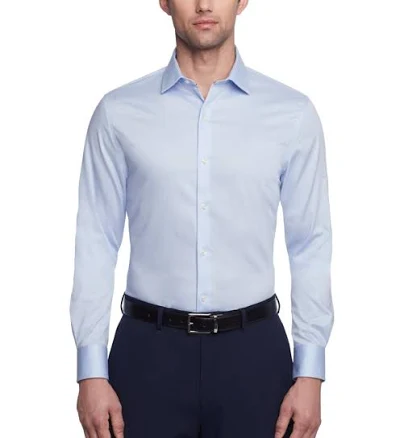
- cotton/polyester blend dress shirt
- We found no PFAS statement from the brand
- Formaldehyde / VOCs
3 hazards checked on this product, all on its full breakdown.
Find an alternative on AmazonMore wrinkle-free dress shirts grades
How we score, every product runs through the same public 0-100 rubric based on materials, coatings, brand disclosure, lab findings, and recalls. See the full methodology → Spotted a mistake? Report an error.