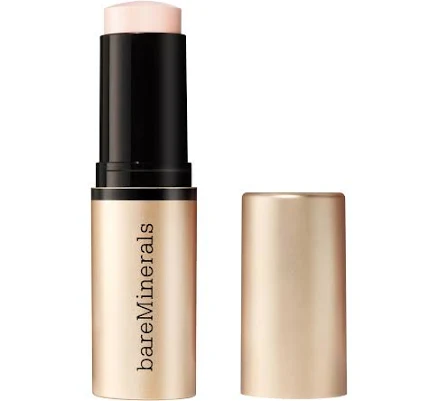
bareMinerals Complexion Rescue Luminous Skin Tint Stick
Brand PFAS statement on record, which we have not verified.
bareMinerals says it no longer produces any products containing intentional PFAS ingredients, including Teflon-type coating. We record that as an unverified brand claim.
Brand says: “bareMinerals says it no longer produces any products containing intentional PFAS ingredients, including PTFE.”
We flunk more products than we pass. This one earned its grade. How we grade
Material
mineral pigments, wax, oils in stick form
Brand disclosure
Brand claims PFAS-free
Lab data
No public lab test
You may also be interested in
Top-graded picks in the categories readers replace first, every one scored on the same rubric.

- polypropylene filter housing, carbon/sediment cartridge
- We found no PFAS statement from the brand
- Bacterial growth in spent cartridges
3 hazards checked on this product, all on its full breakdown.

Aquasure
Premier Series 75 GPD Under Sink Reverse Osmosis Water Filtration System
- RO membrane, carbon filters, stainless steel housing
- We found no PFAS statement from the brand
- Bacterial and microbial growth in housing and filters
4 hazards checked on this product, all on its full breakdown.

Avocado
Vegan Mattress
- organic cotton, natural latex, coconut coir, recycled steel coils
- The brand calls it PFAS-free, which we have not verified
- Heavy metals
2 hazards checked on this product, all on its full breakdown.
What bareMinerals Complexion Skin Tint Stick is made of, ingredients and materials
Complexion Rescue is a stick formulation combining mineral pigments (iron oxides, mica, titanium dioxide), waxes, and oils as the delivery system. Mineral pigments in cosmetics are generally stable and inert once applied; the hazard risk in this category centers on heavy metal contamination in pigments and formaldehyde-releasing preservatives in the wax or oil matrix. Stick format eliminates water phase, which reduces need for broad-spectrum preservatives that commonly release formaldehyde.
What’s concerning
Category baseline
The starting point for this type of product, before anything specific to this product is counted.
Fragrance allergens and sensitizers
Some formulations in this range include fragrance or botanical extracts (e.g., rose oil, chamomile); individuals with fragrance allergies or sensitive skin may react. Full ingredient breakdown should be reviewed on the package or brand website; fragrance compounds are not universally disclosed at component level.
Mica particulate and inhalation risk
Mica used in mineral cosmetics is not friable powder but embedded in wax matrix, reducing airborne release. Inhalation risk is lower in stick form than loose powder, but users with respiratory sensitivity should avoid direct inhalation during application.
What’s reassuring
Brand-stated PFAS-free
The brand states this product is PFAS-free. We have not verified the claim.
Base material not linked to PFAS
The main material recorded for this product is not one associated with PFAS.
Lead
Bare Minerals brand does not appear on FDA warning lists or third-party test reports for heavy metal exceedances in pigments. Mineral pigments are regulated as color additives, but independent testing of this specific product is not publicly available.
Source, ATSDR ↗Formaldehyde / VOCs
Wax and oil-based stick formulas require fewer broad-spectrum preservatives than emulsified creams. No formaldehyde or DMDM hydantoin is disclosed on product labels or ingredient lists found in public databases for this line.
Source, ATSDR ↗Talc contamination
Brand explicitly markets as talc-free, and ingredient disclosures confirm mica as the primary texture agent. No recall or contamination incident is on record for Bare Minerals talc products in the past decade.
How is this PFAS grade calculated?
The brand's record and disclosure
Bare Minerals markets itself as a mineral-based, talc-free brand and has made a public PFAS-free claim, though we have not independently verified testing. The brand does not appear on major recall lists for heavy metal contamination or formaldehyde issues in recent years. No controversies regarding undisclosed allergens or hazardous additives are established in public records for this specific product line.
How it compares in its category
BB creams and tinted sticks vary widely; liquid formulations often contain more preservative systems and emulsifiers, while stick formats (like this one) reduce those needs. Bare Minerals' mineral-first positioning places it toward the lower-complexity end of the category compared to silicone-heavy or synthetic pigment foundations. The wax-based delivery is common in this format and does not present higher risk than oil-based alternatives if formulation avoids reactive preservatives.
If you buy it
Store in a cool place away from direct heat to prevent wax separation or texture change; stick formulas are stable but can soften above 75F. Sharpen or use a spatula to avoid direct hand-to-product contact, which can introduce bacteria and shorten shelf life. Replace after 12 months of opening to minimize oxidation of oils and pigment drift. Patch-test on inner arm if you have sensitive skin or fragrance allergies, as some formulations include botanical extracts or fragrance compounds.
What is not known about PFAS in this product?
- Basis
- Model estimate, 72% confidence, not a lab result
- Lab test
- None on record for this exact product
- Brand statement
- Bare Minerals has made a specific claim
Formulations change between production runs, so check the current label. How we grade.
More bb cream grades
How we score, every product runs through the same public 0-100 rubric based on materials, coatings, brand disclosure, lab findings, and recalls. See the full methodology → Spotted a mistake? Report an error.