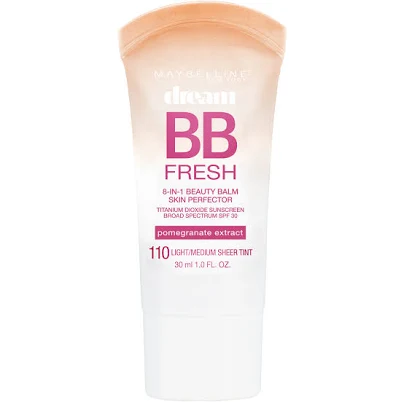
Maybelline Dream Fresh BB Cream
Lower concern as cosmetic cream lacks known water-resistance or PFAS-prone features.
Maybelline Dream Fresh BB Cream is a liquid cosmetic emulsion without waterproofing claims, water-repellent coating coatings, or non-stick finishes that typically drive PFAS use. The brand makes no PFAS claims and provides no third-party testing.
We flunk more products than we pass. This one earned its grade. How we grade
Material
water-based emulsion, talc/mineral pigments, glycerin
Lab data
No public lab test
You may also be interested in
Top-graded picks in the categories readers replace first, every one scored on the same rubric.

- polypropylene filter housing, carbon/sediment cartridge
- We found no PFAS statement from the brand
- Bacterial growth in spent cartridges
3 hazards checked on this product, all on its full breakdown.

Aquasure
Premier Series 75 GPD Under Sink Reverse Osmosis Water Filtration System
- RO membrane, carbon filters, stainless steel housing
- We found no PFAS statement from the brand
- Bacterial and microbial growth in housing and filters
4 hazards checked on this product, all on its full breakdown.

Avocado
Vegan Mattress
- organic cotton, natural latex, coconut coir, recycled steel coils
- The brand calls it PFAS-free, which we have not verified
- Heavy metals
2 hazards checked on this product, all on its full breakdown.
What Maybelline Dream Fresh BB Cream is made of, ingredients and materials
Maybelline Dream Fresh BB Cream is a water-based emulsion combining glycerin (humectant), mineral pigments, and talc as primary ingredients. Water-based formulations are inherently lower-risk than oil or silicone bases because they do not bioaccumulate and shed less volatile organic compounds during application. Talc and mineral pigments in cosmetics are the only material concern in this product, but at the concentrations typical in BB creams, dermal exposure is brief and non-ingestion.
What’s concerning
Category baseline
The starting point for this type of product, before anything specific to this product is counted.
No PFAS disclosure
No public statement from the brand about PFAS in this product.
Talc contamination (asbestos risk)
Talc in cosmetics carries legacy concern over asbestos fibers; FDA permits talc if asbestos-free, but independent testing is not disclosed by Maybelline. Dermal-only exposure in a BB cream is lower-risk than inhalation, but talc-free alternatives exist if concerned.
Fragrance allergens (undisclosed components)
BB creams typically contain fragrance compounds not itemized on labels; cumulative skin contact may trigger allergic contact dermatitis in sensitive individuals. No specific allergen incidents recorded for this product, but fragrance is inherent to the formulation.
Emulsion instability and microbial growth if contaminated
Water-based emulsions require preservatives to prevent bacterial or fungal colonization; improper storage or repeated wet-brush contact can breach formulation integrity. Risk is low with proper use and storage, but older or improperly sealed products may harbor pathogens.
What’s reassuring
Base material not linked to PFAS
The main material recorded for this product is not one associated with PFAS.
Heavy metals
Iron oxides and mica used in pigmentation are regulated cosmetic colorants with low systemic absorption through skin. No recalls or exceedances of lead or cadmium limits documented for Maybelline color cosmetics; compliance is presumed via FDA oversight.
Source, FDA ↗1,4-dioxane as preservative by-product
Water-based cosmetics sometimes contain trace 1,4-dioxane from ethoxylated emulsifiers; Maybelline does not disclose whether this product is vacuum-stripped of dioxane. Absence of public testing or recall suggests compliance with allowable limits, but transparency is absent.
How is this PFAS grade calculated?
The brand's record and disclosure
Maybelline (L'Oreal-owned) does not publicly disclose PFAS use or absence in cosmetics and has not published water-resistance or fluorochemical policies for color cosmetics. The brand complies with FDA regulations and EU cosmetics bans (formaldehyde, lead limits) but does not exceed baseline safety standards through voluntary testing or third-party certification. No notable recalls or safety controversies are on record for this specific product line.
How it compares in its category
BB creams are among the lower-risk color cosmetics because they are worn briefly, rarely ingested, and do not require heat application or water resistance. This product's water-based formulation is typical and has lower concern than silicone or long-wear bases. Competitors (e.g., Physicians Formula, Bare Minerals) offer talc-free or certified-clean alternatives, but Dream Fresh BB represents mainstream middle-tier safety with no established deficiency versus peer products.
If you buy it
Apply sparingly to face and blend thoroughly; avoid inhalation of powder if applied with brush. Discontinue use if rash or irritation appears within one week. Replace product every 12 months or if separation, odor, or discoloration occurs; water-based emulsions degrade faster than anhydrous formulas. Store in cool, dry conditions away from direct heat or sunlight to preserve emulsion stability.
What is not known about PFAS in this product?
- Basis
- Model estimate, 72% confidence, not a lab result
- Lab test
- None on record for this exact product
- Brand statement
- Maybelline has made a specific claim
Formulations change between production runs, so check the current label. How we grade.
What are the PFAS-free alternatives to Maybelline Dream Fresh BB Cream?
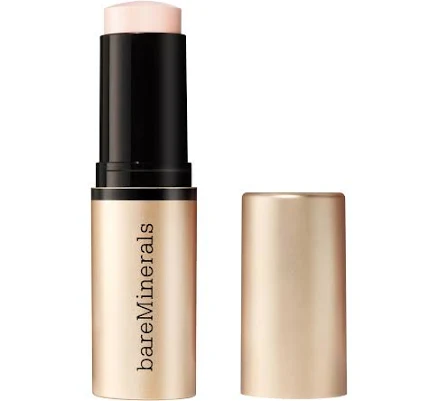
- mineral pigments, wax, oils in stick form
- The brand calls it PFAS-free, which we have not verified
- Fragrance allergens and sensitizers
2 hazards checked on this product, all on its full breakdown.
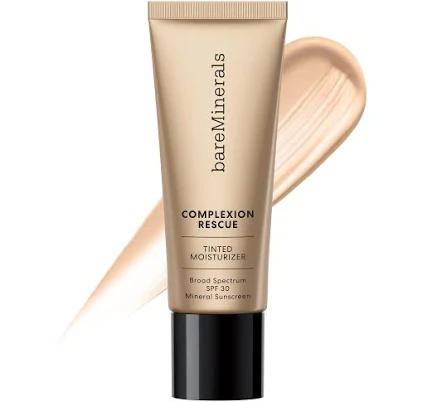
- Water-based gel cream with mineral pigments and SPF actives
- The brand calls it PFAS-free, which we have not verified
- Fragrance allergens and undisclosed fragrance components
2 hazards checked on this product, all on its full breakdown.
More bb cream grades
How we score, every product runs through the same public 0-100 rubric based on materials, coatings, brand disclosure, lab findings, and recalls. See the full methodology → Spotted a mistake? Report an error.