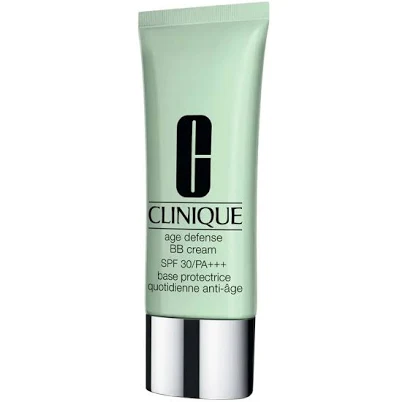
Clinique Age Defense BB Cream SPF 30
Lower concern; standard BB cream with no known PFAS triggers, though no brand disclosure.
Clinique's Age Defense BB Cream is a typical liquid-emulsion cosmetic with no water-repellent or grease-resistant claims suggesting PFAS use. The brand does not publicly disclose PFAS status.
We flunk more products than we pass. This one earned its grade. How we grade
Material
Emulsion base (water, silicones, pigments); sunscreen actives (likely UV filters)
Lab data
No public lab test
You may also be interested in
Top-graded picks in the categories readers replace first, every one scored on the same rubric.

- polypropylene filter housing, carbon/sediment cartridge
- We found no PFAS statement from the brand
- Bacterial growth in spent cartridges
3 hazards checked on this product, all on its full breakdown.

Aquasure
Premier Series 75 GPD Under Sink Reverse Osmosis Water Filtration System
- RO membrane, carbon filters, stainless steel housing
- We found no PFAS statement from the brand
- Bacterial and microbial growth in housing and filters
4 hazards checked on this product, all on its full breakdown.

Avocado
Vegan Mattress
- organic cotton, natural latex, coconut coir, recycled steel coils
- The brand calls it PFAS-free, which we have not verified
- Heavy metals
2 hazards checked on this product, all on its full breakdown.
What Clinique Age Defense BB Cream SPF 30 is made of, ingredients and materials
Clinique Age Defense BB Cream is a water-silicone emulsion designed to hydrate, cover, and provide sun protection in one step. The formula contains pigments for color matching, likely iron oxides and mica, plus UV-filter actives (commonly octocrylene, avobenzone, or similar broad-spectrum agents) to achieve SPF 30. Silicones provide slip and durability; water and glycerin deliver hydration. This combination is typical for premium BB creams and poses no known toxicity risks at use levels.
What’s concerning
Category baseline
The starting point for this type of product, before anything specific to this product is counted.
No PFAS disclosure
No public statement from the brand about PFAS in this product.
Fragrance allergens and sensitizers
Clinique Age Defense BB Cream contains fragrance, which is common in cosmetics but can trigger allergic contact dermatitis or respiratory sensitivity in susceptible individuals. The specific fragrance blend is not disclosed on the label beyond 'fragrance/parfum,' so individual allergen identification is not possible without brand confirmation.
UV filter photostability and skin absorption
The specific UV actives in this SPF 30 formula are not itemized on publicly available ingredient lists. Common filters like avobenzone can degrade under UV exposure and some (oxybenzone, octinoxate) are absorbed systemically, though the FDA has set approved sunscreen levels based on systemic absorption data. Reapplication every 2 hours is advised for sustained protection, regardless of absorption risk.
What’s reassuring
Base material not linked to PFAS
The main material recorded for this product is not one associated with PFAS.
Heavy metals
Iron oxides and mica used in cosmetic colorants are regulated cosmetic-grade materials. No recalls or contamination reports specific to Clinique products have been documented. Regulatory limits in the US (FDA) and EU generally prevent harmful accumulation, though long-term daily use of any pigmented cosmetic carries theoretical minimal exposure.
Source, FDA ↗1,4-dioxane (synthetic surfactant byproduct)
Water-based emulsions like BB creams can incidentally contain trace 1,4-dioxane if certain surfactants are ethoxylated during manufacture. Clinique does not publicly test for or disclose 1,4-dioxane levels. The FDA considers cosmetic-grade emulsifiers acceptable at regulated levels, but no independent third-party testing of this product is on public record.
Formaldehyde / VOCs
Premium cosmetics from Clinique typically avoid formaldehyde releasers (e.g., dmdm hydantoin, diazolidinyl urea) in favor of gentler preservative systems, though the exact preservative package is proprietary. No formaldehyde-related complaints or recalls are associated with this product line.
Source, ATSDR ↗How is this PFAS grade calculated?
The brand's record and disclosure
Clinique (owned by Estee Lauder) maintains a dermatologist-tested, hypoallergenic positioning and publishes ingredient lists transparently on product packaging and online. The brand has no known major cosmetic safety recalls or formal litigation tied to this product line. However, like most major cosmetics houses, Clinique does not publicly disclose PFAS content or testing, leaving that hazard class unverified rather than ruled out.
How it compares in its category
BB creams occupy a middle ground between foundation and skincare. Clinique's offering is mainstream premium, more heavily pigmented and long-wearing than bare-minimum BB options, but less occlusive than full foundation. Compared to mass-market drugstore BB creams, it undergoes more rigorous stability and compatibility testing. Natural or mineral-focused alternatives (e.g., Bare Minerals) reduce synthetic pigment and UV filter exposure, but trade off coverage and durability.
If you buy it
Store in a cool, dry place away from direct heat and sunlight to prevent emulsion separation and pigment settling. Do not apply to broken or severely irritated skin; perform a patch test if you have sensitive skin or known cosmetic allergies. Replace every 12 months after opening to prevent microbial growth and oxidation of UV filters. Use as directed on the package; do not ingest or apply near eyes.
What is not known about PFAS in this product?
- Basis
- Model estimate, 72% confidence, not a lab result
- Lab test
- None on record for this exact product
- Brand statement
- Clinique has made a specific claim
Formulations change between production runs, so check the current label. How we grade.
What are the PFAS-free alternatives to Clinique Age Defense BB Cream SPF 30?
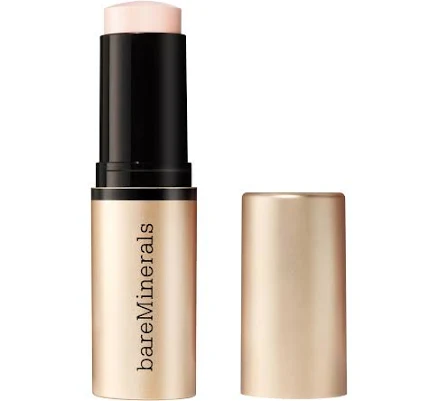
- mineral pigments, wax, oils in stick form
- The brand calls it PFAS-free, which we have not verified
- Fragrance allergens and sensitizers
2 hazards checked on this product, all on its full breakdown.
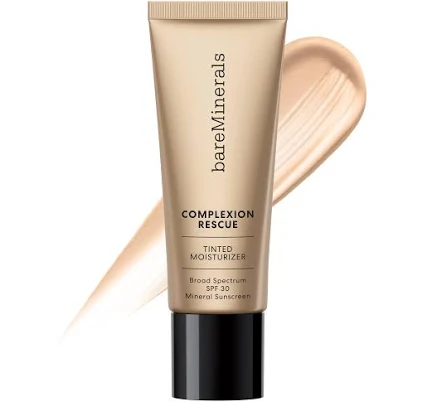
- Water-based gel cream with mineral pigments and SPF actives
- The brand calls it PFAS-free, which we have not verified
- Fragrance allergens and undisclosed fragrance components
2 hazards checked on this product, all on its full breakdown.
More bb cream grades
How we score, every product runs through the same public 0-100 rubric based on materials, coatings, brand disclosure, lab findings, and recalls. See the full methodology → Spotted a mistake? Report an error.