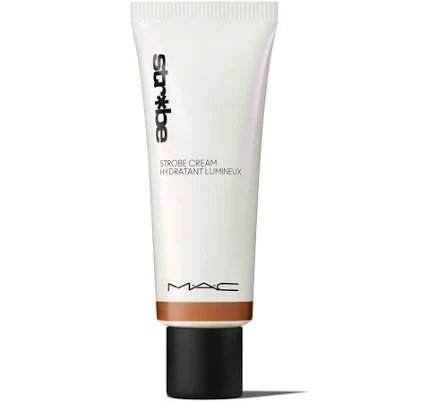
MAC Strobe Cream
Lower concern for PFAS; typical cosmetic cream with no known treatment triggers.
MAC Strobe Cream is a cosmetic moisturizer and highlighter with standard emollient ingredients (water, silicones, glycerin). No waterproofing or stain-resistance claims suggest absent water-repellent PFAS treatments.
We flunk more products than we pass. This one earned its grade. How we grade
Material
Water, silicones, glycerin (emollient cosmetic cream)
Lab data
No public lab test
You may also be interested in
Top-graded picks in the categories readers replace first, every one scored on the same rubric.

- polypropylene filter housing, carbon/sediment cartridge
- We found no PFAS statement from the brand
- Bacterial growth in spent cartridges
3 hazards checked on this product, all on its full breakdown.

Aquasure
Premier Series 75 GPD Under Sink Reverse Osmosis Water Filtration System
- RO membrane, carbon filters, stainless steel housing
- We found no PFAS statement from the brand
- Bacterial and microbial growth in housing and filters
4 hazards checked on this product, all on its full breakdown.

Avocado
Vegan Mattress
- organic cotton, natural latex, coconut coir, recycled steel coils
- The brand calls it PFAS-free, which we have not verified
- Heavy metals
2 hazards checked on this product, all on its full breakdown.
What MAC Strobe Cream is made of, ingredients and materials
MAC Strobe Cream is a water-in-silicone emulsion, water and glycerin form the hydrating core, while silicones (likely dimethicone and related polymers) create the spreadable, light texture and skin-feel. Glycerin is a standard humectant with lower concern for toxicity; silicones are not a material linked to PFAS and do not bioaccumulate. This formulation avoids heavy oils and waxes, reducing occlusion and making it suitable for mixed to oily skin types. The cream's minimal active pharmaceutical ingredients means hazard exposure is primarily from preservatives and fragrance components rather than the base matrix.
What’s concerning
Category baseline
The starting point for this type of product, before anything specific to this product is counted.
No PFAS disclosure
No public statement from the brand about PFAS in this product.
Parabens
MAC does not disclose preservative system used in Strobe Cream. Water-based cosmetics require antimicrobial agents; common choices include formaldehyde-releasers (DMDM hydantoin) or parabens. Neither is acutely toxic at cosmetic concentrations, but formaldehyde-releasers may trigger dermatitis in sensitive individuals. Absence of public ingredient confirmation prevents definitive assessment.
Source, FDA ↗Fragrance allergens and sensitizers
Strobe Cream is lightly scented (MAC lists 'fragrance' in INCI but no breakdown). Common highlighter fragrance notes include synthetic musks and limonene (d-limonene); both can cause contact dermatitis or respiratory irritation in sensitized individuals. No product-specific allergy reports are published, but fragrance is a leading cause of cosmetic dermatitis.
Bacterial growth in opened container
Water-silicone emulsions are vulnerable to microbial colonization after opening, especially if applicator or fingers breach the seal. Contamination can cause skin infection or irritation. Risk increases after 12-18 months of storage; jar packaging (vs. pump or tube) elevates risk compared to airless alternatives.
What’s reassuring
Base material not linked to PFAS
The main material recorded for this product is not one associated with PFAS.
Heavy metals
Strobe Cream contains mica and iron oxides for shine and tone. Reputable manufacturers (including MAC) source colorants that meet USP/EP standards for lead and cadmium. No recalls or testing failures are on record for MAC highlighters. Risk is low if product is not ingested.
Source, FDA ↗1,4-dioxane as manufacturing byproduct
1,4-dioxane is a manufacturing contaminant in some silicone polymers and surfactants. MAC is not known to have failed third-party 1,4-dioxane testing, and no recalls cite this hazard. Estee Lauder products are generally formulated to minimize this contaminant, though public testing data is unavailable for Strobe Cream specifically.
How is this PFAS grade calculated?
The brand's record and disclosure
MAC (Estee Lauder subsidiary) does not publish ingredient-by-ingredient safety data sheets or third-party testing results for Strobe Cream publicly. The brand has not signed major transparency pledges (e.g., EWG transparency, full ingredient listing beyond INCI). No product-specific recalls or safety warnings are on record for this SKU. MAC's parent company (Estee Lauder) maintains general cosmetic compliance but is not known for proactive heavy-metal or preservative disclosure in this price tier.
How it compares in its category
Strobe Cream sits in the mid-premium highlighting cream segment; competitors (e.g., Becca, Glossier, Fenty) use similar silicone-glycerin bases with comparable hazard profiles. MAC's formulation is not outlier in safety or disclosure. The cream does not position itself as 'clean' or 'natural,' so consumers should not expect organic certification or minimal preservatives. Relative to full-coverage foundations, this product has lower total additive load and is generally lower-risk in the cosmetics category.
If you buy it
Store in a cool, dry place away from direct sunlight to slow silicone degradation and preservative breakdown. Do not use if the product separates visibly (water and silicone layers) or develops discoloration or odor, which may indicate mold or bacterial growth in the emulsion. Replace every 12-18 months after opening; silicone-water systems are prone to microbial colonization once seal is broken. Apply only to face; avoid eye area and mucous membranes.
What is not known about PFAS in this product?
- Basis
- Model estimate, 72% confidence, not a lab result
- Lab test
- None on record for this exact product
- Brand statement
- MAC has made a specific claim
Formulations change between production runs, so check the current label. How we grade.
What are the PFAS-free alternatives to MAC Strobe Cream?
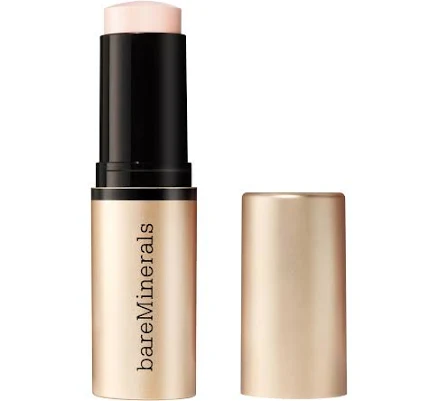
- mineral pigments, wax, oils in stick form
- The brand calls it PFAS-free, which we have not verified
- Fragrance allergens and sensitizers
2 hazards checked on this product, all on its full breakdown.
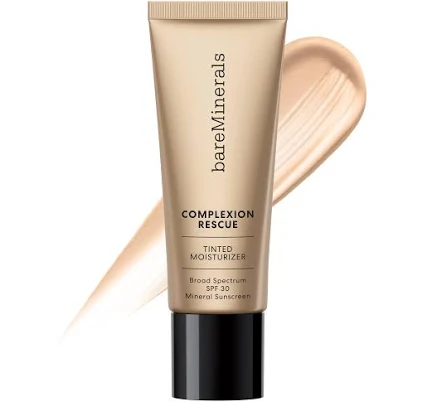
- Water-based gel cream with mineral pigments and SPF actives
- The brand calls it PFAS-free, which we have not verified
- Fragrance allergens and undisclosed fragrance components
2 hazards checked on this product, all on its full breakdown.
More bb cream grades
How we score, every product runs through the same public 0-100 rubric based on materials, coatings, brand disclosure, lab findings, and recalls. See the full methodology → Spotted a mistake? Report an error.