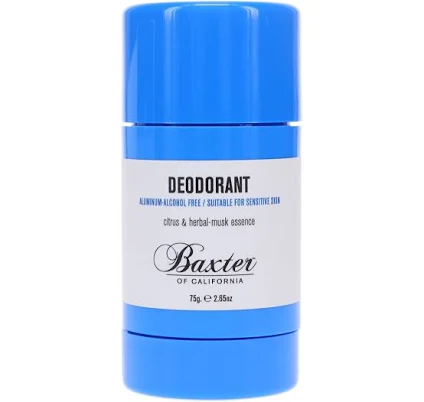
Baxter of California · Deodorant
Baxter of California Deodorant
Lower concern; standard deodorant with no known PFAS triggers.
This traditional stick formula lacks waterproofing, nonstick coatings, and stain-resistance treatments, which are the primary PFAS-use categories. The brand makes no public PFAS disclosures.
We flunk more products than we pass. This one earned its grade. How we grade
Material
Aluminum-based stick deodorant with typical cosmetic formulants
Brand disclosure
Brand is silent on PFAS
Lab data
No public lab test
You may also be interested in
Top-graded picks in the categories readers replace first, every one scored on the same rubric.

- polypropylene filter housing, carbon/sediment cartridge
- We found no PFAS statement from the brand
- Bacterial growth in spent cartridges
3 hazards checked on this product, all on its full breakdown.

Aquasure
Premier Series 75 GPD Under Sink Reverse Osmosis Water Filtration System
- RO membrane, carbon filters, stainless steel housing
- We found no PFAS statement from the brand
- Bacterial and microbial growth in housing and filters
4 hazards checked on this product, all on its full breakdown.

Avocado
Vegan Mattress
- organic cotton, natural latex, coconut coir, recycled steel coils
- The brand calls it PFAS-free, which we have not verified
- Heavy metals
2 hazards checked on this product, all on its full breakdown.
What Baxter of California Deodorant is made of, ingredients and materials
Baxter of California deodorant is an aluminum-based stick formula, typical of conventional antiperspirant deodorants. Aluminum salts (usually aluminum chlorohydrate or similar complexes) are the active antiperspirant agent; the stick base typically contains waxes, emollients, and fragrance. At the concentrations used in deodorants (roughly 15-25% aluminum), the FDA has approved aluminum for over-the-counter antiperspirant use, and established hazard thresholds for this category are not breached.
What’s concerning
Category baseline
The starting point for this type of product, before anything specific to this product is counted.
No PFAS disclosure
No public statement from the brand about PFAS in this product.
Fragrance allergens and sensitization
Baxter of California deodorants contain fragrance blends, which may include common allergens (limonene, linalool, eugenol) not itemized on packaging. Individuals with fragrance sensitivity or contact dermatitis should patch test or choose unscented alternatives.
Contact dermatitis or skin irritation from formulation
As with any antiperspirant deodorant, individuals with sensitive skin may experience localized irritation, particularly in skin folds or after shaving. This is product-class risk, not specific to Baxter, and is typically mild and self-resolving.
What’s reassuring
Base material not linked to PFAS
The main material recorded for this product is not one associated with PFAS.
Aluminum absorption and systemic exposure
No scientific evidence links topical aluminum deodorant use to systemic health effects at typical application rates. The FDA permits aluminum antiperspirants for over-the-counter use; transdermal absorption is minimal.
Talc contamination in powder formulations
Baxter of California's standard deodorant is a stick (not powder), so talc exposure is not applicable to this product. Talc contamination concerns do not apply.
Heavy metals
No recalls or documented contamination with lead, cadmium, or other heavy metals have been reported for this product. Cosmetic colorants and preservatives in deodorants are FDA-regulated; no specific safety flag exists for Baxter's formulation.
Source, FDA ↗How is this PFAS grade calculated?
The brand's record and disclosure
Baxter of California does not publish ingredient transparency reports, safety certifications, or formulation disclosures beyond standard product labels. The brand has no recorded recalls or safety controversies specific to this deodorant line. No independent third-party certifications (e.g., EWG verification, dermatologist testing claims) are prominently marketed, which is typical for mid-tier personal care brands.
How it compares in its category
This product is positioned as a conventional aluminum antiperspirant, placing it in the mainstream deodorant category. Alternatives include aluminum-free sticks (potassium alum, baking soda bases), natural brands with third-party certification, and prescription-strength antiperspirants. Baxter's formulation offers no documented advantage or disadvantage relative to comparable aluminum stick deodorants from brands like Old Spice, Gillette, or store-label equivalents.
If you buy it
Store in a cool, dry place to prevent softening or separation of the stick formula. Replace when depleted or if fragrance becomes noticeably altered (sign of oxidation). Apply to clean, dry skin to minimize irritation. Discontinue if localized rash, excessive irritation, or sensitivity develops and consult a dermatologist if symptoms persist; this is standard practice for any topical antiperspirant.
What is not known about PFAS in this product?
- Basis
- Model estimate, 72% confidence, not a lab result
- Lab test
- None on record for this exact product
- Brand statement
- Baxter of California has made none
Formulations change between production runs, so check the current label. How we grade.
What are the PFAS-free alternatives to Baxter of California Deodorant?
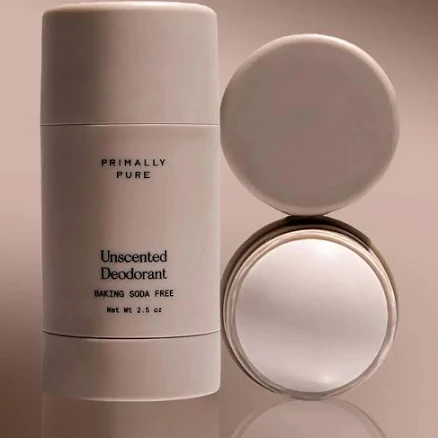
- mineral-based powder blend (arrowroot, magnesium hydroxide, mica)
- We found no PFAS statement from the brand
- Skin irritation from magnesium hydroxide alkalinity
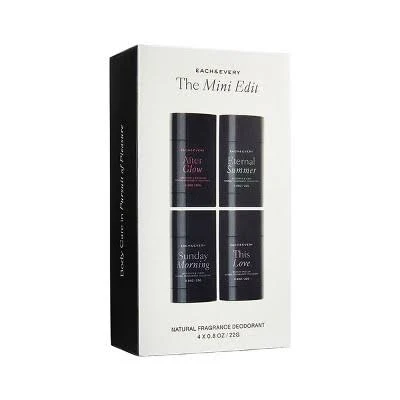
- cosmetic formulations, primary ingredients listed
- A third party reports verifying it as PFAS-free
- Fragrance allergens (natural essential oils)
2 hazards checked on this product, all on its full breakdown.
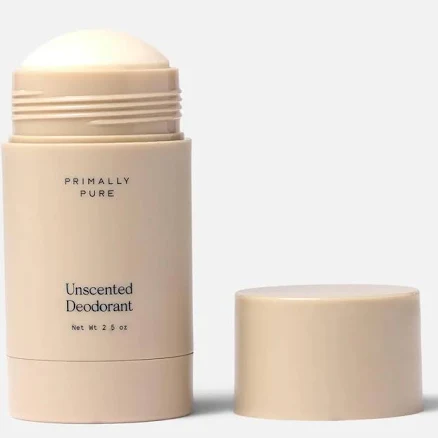
- natural mineral powders, plant-based actives, beeswax
- We found no PFAS statement from the brand
- Beeswax purity and contamination
2 hazards checked on this product, all on its full breakdown.
More deodorant grades
How we score, every product runs through the same public 0-100 rubric based on materials, coatings, brand disclosure, lab findings, and recalls. See the full methodology → Spotted a mistake? Report an error.