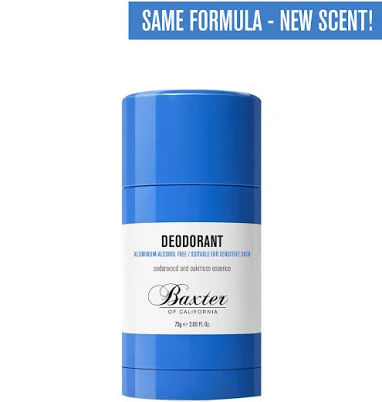
Baxter of California · Deodorant
Baxter of California Italian Lime & Pomegranate Deodorant
Lower PFAS concern; no known triggers, but brand offers no transparency.
This liquid deodorant contains no disclosed water-repellent, nonstick, or stain-resistant treatments that typically require PFAS. The brand makes no PFAS claims without third-party testing.
We flunk more products than we pass. This one earned its grade. How we grade
Material
liquid/gel deodorant base; standard cosmetic emulsifiers and fragrance
Brand disclosure
Brand is silent on PFAS
Lab data
No public lab test
You may also be interested in
Top-graded picks in the categories readers replace first, every one scored on the same rubric.

- polypropylene filter housing, carbon/sediment cartridge
- We found no PFAS statement from the brand
- Bacterial growth in spent cartridges
3 hazards checked on this product, all on its full breakdown.

Aquasure
Premier Series 75 GPD Under Sink Reverse Osmosis Water Filtration System
- RO membrane, carbon filters, stainless steel housing
- We found no PFAS statement from the brand
- Bacterial and microbial growth in housing and filters
4 hazards checked on this product, all on its full breakdown.

Avocado
Vegan Mattress
- organic cotton, natural latex, coconut coir, recycled steel coils
- The brand calls it PFAS-free, which we have not verified
- Heavy metals
2 hazards checked on this product, all on its full breakdown.
What Baxter of California Italian Deodorant is made of, ingredients and materials
This is a liquid or gel deodorant base, not an aerosol spray, which eliminates inhalation risk from propellants and Teflon-type coating fumes common in powder deodorants. The formulation relies on standard cosmetic emulsifiers, fragrance compounds (Italian lime and pomegranate extracts/oils), and likely aluminum salts or zinc compounds for odor control. Liquid formats avoid the talc contamination and microparticle inhalation concerns associated with powder deodorants, and the non-aerosol delivery means no pressurized gas propellant hazards.
What’s concerning
Category baseline
The starting point for this type of product, before anything specific to this product is counted.
No PFAS disclosure
No public statement from the brand about PFAS in this product.
Fragrance allergens (undisclosed sourcing)
Proprietary fragrance blends (lime and pomegranate notes) are not itemized on public labels. Some fragrance components, especially citral in lime oils, are known contact sensitizers and can trigger dermatitis or photoallergy in 1-3% of users; no brand testing data is disclosed for this product.
Aluminum salt leaching (if present in formulation)
If this product contains aluminum chlorohydrate or aluminum zirconium as the antiperspirant active (common in deodorants), prolonged skin contact under occlusive conditions (e.g., tight clothing) can increase dermal absorption. No ingredient list transparency from the brand confirms or denies aluminum content.
Contact dermatitis from preservatives or emulsifiers
Liquid deodorant formats require preservatives (e.g., methylisothiazolinone, parabens) and emulsifiers to prevent microbial growth and phase separation. These are low-risk in most populations but can trigger localized irritation or allergic contact dermatitis in sensitive skin; patch testing is advisable if you have a history of deodorant sensitivity.
What’s reassuring
Base material not linked to PFAS
The main material recorded for this product is not one associated with PFAS.
1,4-dioxane (trace impurity in emulsifiers)
Liquid deodorant bases may contain polyethoxylated emulsifiers that can harbor trace 1,4-dioxane if not purified during manufacturing. No specific testing or contamination report exists for Baxter of California products, but the brand does not advertise 1,4-dioxane screening.
Heavy metals
Liquid gels may contain FD&C or natural colorants; no reports of cadmium, lead, or chromium contamination exist for this brand. However, cosmetic colorant regulation is minimal in the US, and brands are not required to disclose trace metal testing.
Source, FDA ↗How is this PFAS grade calculated?
The brand's record and disclosure
Baxter of California does not publicly disclose detailed ingredient sourcing, PFAS testing, or third-party certifications on this product. The brand positions itself as a men's grooming line with a lifestyle focus rather than a transparency-first company. No recalls or established safety controversies are on record for this specific deodorant. The lack of transparency on PFAS and fragrance allergen sourcing is typical for mid-tier grooming brands but leaves consumers without assurance of chemical purity.
How it compares in its category
Liquid deodorants like this sit in the middle safety tier compared to aerosol sprays (higher inhalation risk) and solid stick formats (talc or starch concerns). This product avoids the volatile organic compound (VOC) off-gassing issues of spray deodorants and the particle inhalation hazard of powders. However, it lacks the transparency and third-party certifications (e.g.where brands like Native, Burt's Bees, and Schmidt's have obtained third-party certifications, making direct comparison on specific hazard profiles difficult.
If you buy it
Apply a small amount (thumbnail-sized) directly to skin and allow brief air drying before dressing to minimize staining and ensure even coverage. Store in a cool, dry place away from direct sunlight to prevent separation of emulsifiers or fragrance degradation. Replace after 12-24 months of regular use or if the gel separates visibly or develops an off odor, which signals emulsifier breakdown. If skin irritation develops, discontinue use; fragrances and some emulsifiers can trigger contact dermatitis in sensitive individuals.
What is not known about PFAS in this product?
- Basis
- Model estimate, 72% confidence, not a lab result
- Lab test
- None on record for this exact product
- Brand statement
- Baxter of California has made none
Formulations change between production runs, so check the current label. How we grade.
What are the PFAS-free alternatives to Baxter of California Italian Lime & Pomegranate Deodorant?
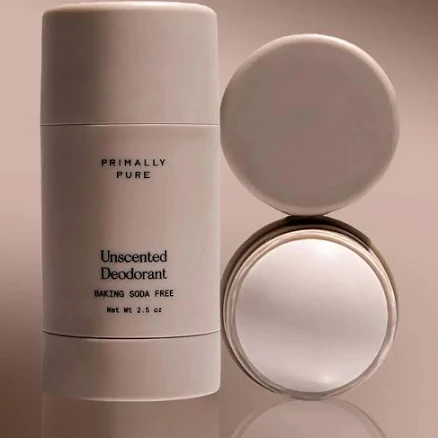
- mineral-based powder blend (arrowroot, magnesium hydroxide, mica)
- We found no PFAS statement from the brand
- Skin irritation from magnesium hydroxide alkalinity
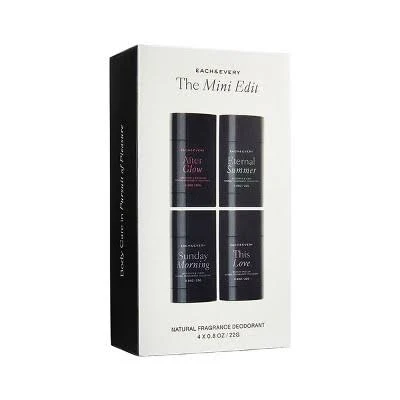
- cosmetic formulations, primary ingredients listed
- A third party reports verifying it as PFAS-free
- Fragrance allergens (natural essential oils)
2 hazards checked on this product, all on its full breakdown.
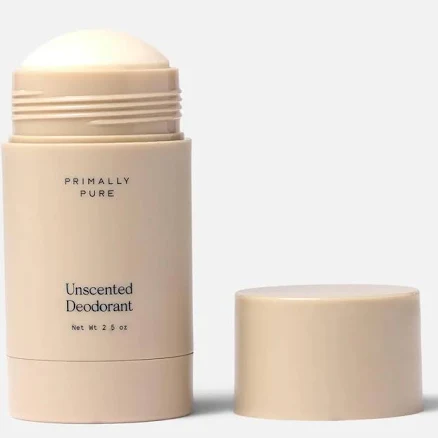
- natural mineral powders, plant-based actives, beeswax
- We found no PFAS statement from the brand
- Beeswax purity and contamination
2 hazards checked on this product, all on its full breakdown.
More deodorant grades
How we score, every product runs through the same public 0-100 rubric based on materials, coatings, brand disclosure, lab findings, and recalls. See the full methodology → Spotted a mistake? Report an error.