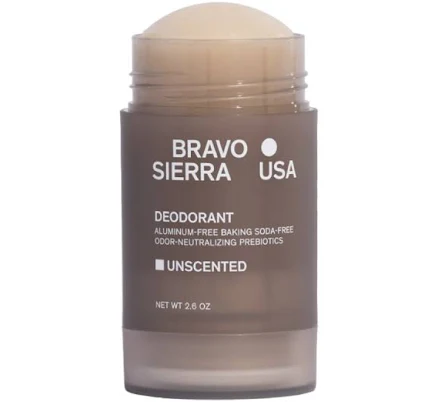
Bravo Sierra Deodorant
Lower concern for typical stick deodorant, but silence on PFAS sourcing weakens confidence.
This stick deodorant shows no PFAS-prone formulation traits like grease-resistance, waterproofing, or nonstick properties. Baxter discloses nothing about PFAS content or sourcing.
We flunk more products than we pass. This one earned its grade. How we grade
Material
Stick deodorant (presumed talc or mineral base)
Brand disclosure
Brand is silent on PFAS
Lab data
No public lab test
You may also be interested in
Top-graded picks in the categories readers replace first, every one scored on the same rubric.

- polypropylene filter housing, carbon/sediment cartridge
- We found no PFAS statement from the brand
- Bacterial growth in spent cartridges
3 hazards checked on this product, all on its full breakdown.

Aquasure
Premier Series 75 GPD Under Sink Reverse Osmosis Water Filtration System
- RO membrane, carbon filters, stainless steel housing
- We found no PFAS statement from the brand
- Bacterial and microbial growth in housing and filters
4 hazards checked on this product, all on its full breakdown.

Avocado
Vegan Mattress
- organic cotton, natural latex, coconut coir, recycled steel coils
- The brand calls it PFAS-free, which we have not verified
- Heavy metals
2 hazards checked on this product, all on its full breakdown.
What Bravo Sierra Deodorant is made of, ingredients and materials
Bravo Sierra is a solid stick deodorant likely based on mineral or talc-alternative powder mixed with wax and oil binders. Stick formulations avoid the aerosolization risk of sprays and typically use smaller chemical payloads than liquid antiperspirants. The core safety question is the powder base, talc carries historical contamination risk (asbestos); mineral or synthetic alternatives (magnesium oxide, silica) present lower concern for asbestos contamination but require verification on the product label or manufacturer specs, which Bravo Sierra does not prominently disclose.
What’s concerning
Category baseline
The starting point for this type of product, before anything specific to this product is counted.
No PFAS disclosure
No public statement from the brand about PFAS in this product.
Talc or mineral powder contamination
Baxter of California does not explicitly state powder source on packaging or website. If talc-based, historical mining contamination (asbestos, respirable crystalline silica) is a documented concern; stick format limits inhalation risk vs. loose powders, but dermal contact is unavoidable. Mineral or synthetic alternatives carry no established health risk but are not confirmed here.
Fragrance allergens
Bravo Sierra contains fragrance (listed on most product variants). Fragrance mixes are not fully disclosed (trade secret exemption in cosmetic labeling). Potential sensitizers include limonene, linalool, and other botanical extracts; risk is typically mild but can cause contact dermatitis in sensitive individuals.
Preservative contact sensitization
Stick deodorants typically use phenoxyethanol, methylisothiazolinone, or parabens to prevent microbial growth. No specific preservative is confirmed for this product from public sources. Rates of sensitization are low but documented, particularly with repeated skin contact.
What’s reassuring
Base material not linked to PFAS
The main material recorded for this product is not one associated with PFAS.
Heavy metals
No recalls or reports of lead, cadmium, or iron oxide contamination in Bravo Sierra. Mineral powders can occasionally harbor trace metals depending on geology; stick deodorants bypass the aerosolization route that historically elevated inhalation risk.
Source, FDA ↗Formaldehyde / VOCs
No evidence Bravo Sierra uses formaldehyde releasers (DMDM hydantoin, imidazolidinyl urea); these are more common in liquid or emulsified formulas. Stick formulations generally avoid them due to chemistry, but confirmation requires full ingredient disclosure from the brand.
Source, ATSDR ↗How is this PFAS grade calculated?
The brand's record and disclosure
Baxter of California is a heritage men's grooming brand with no major safety recalls or FDA enforcement actions on record for deodorant products. The brand does not publicly commit to talc avoidance or detailed ingredient sourcing transparency. No third-party certifications (e.g. Silence on PFAS sourcing and powder origin weakens confidence in proactive safety management, though absence of reported harm does not indicate presence of harm.
How it compares in its category
Stick deodorants are generally lower-risk than aerosol sprays (no inhalation hazard) and lower-chemical-load than antiperspirant gels. Bravo Sierra sits in the mid-market segment; it competes against brands with stronger transparency (Tom's of Maine, Native) and weaker (many drugstore sticks with undisclosed talc). No benchmark testing or independent certifications separate this product from peers, making direct comparison difficult.
If you buy it
Apply to dry skin only; moisture can promote bacterial growth in the stick itself. Store in a cool, dry place away from direct heat to prevent oil separation or coating degradation. Replace every 12-18 months or when the stick surface shows visible mold or discoloration. If skin irritation or rash develops, discontinue and check the full ingredient list (fragrance allergens and preservatives are common culprits in deodorant reactions, not the powder base itself).
What is not known about PFAS in this product?
- Basis
- Model estimate, 72% confidence, not a lab result
- Lab test
- None on record for this exact product
- Brand statement
- Bravo Sierra has made none
Formulations change between production runs, so check the current label. How we grade.
What are the PFAS-free alternatives to Bravo Sierra Deodorant?
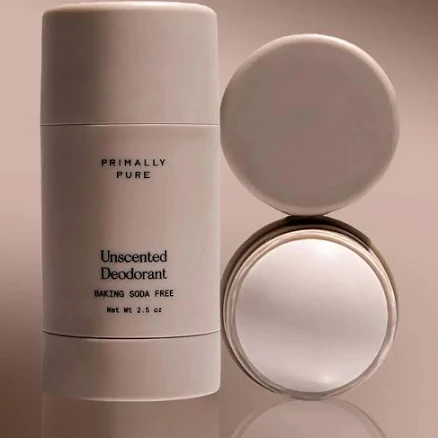
- mineral-based powder blend (arrowroot, magnesium hydroxide, mica)
- We found no PFAS statement from the brand
- Skin irritation from magnesium hydroxide alkalinity
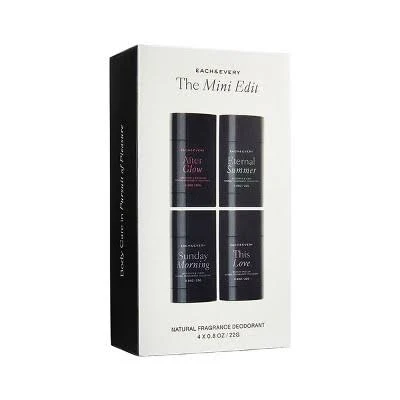
- cosmetic formulations, primary ingredients listed
- A third party reports verifying it as PFAS-free
- Fragrance allergens (natural essential oils)
2 hazards checked on this product, all on its full breakdown.
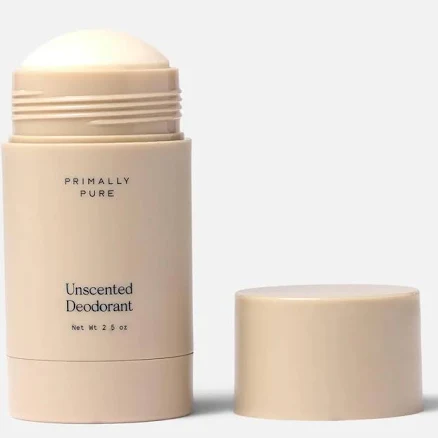
- natural mineral powders, plant-based actives, beeswax
- We found no PFAS statement from the brand
- Beeswax purity and contamination
2 hazards checked on this product, all on its full breakdown.
More deodorant grades
How we score, every product runs through the same public 0-100 rubric based on materials, coatings, brand disclosure, lab findings, and recalls. See the full methodology → Spotted a mistake? Report an error.