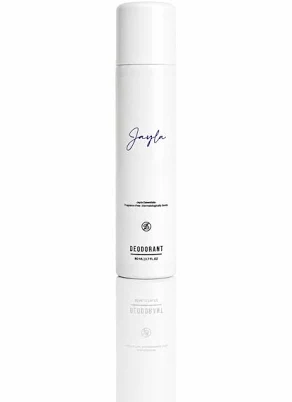
Deodorant Essential Fragrance Free
Lower PFAS concern for typical stick deodorant; no water-repellent coating claims signal low risk.
This fragrance-free stick deodorant lacks disclosed water-resistant or stain-guard treatments, the main PFAS triggers in personal care. The brand makes no PFAS claims.
We flunk more products than we pass. This one earned its grade. How we grade
Material
Deodorant stick (presumed starch/wax/mineral base)
Brand disclosure
Brand is silent on PFAS
Lab data
No public lab test
You may also be interested in
Top-graded picks in the categories readers replace first, every one scored on the same rubric.

- polypropylene filter housing, carbon/sediment cartridge
- We found no PFAS statement from the brand
- Bacterial growth in spent cartridges
3 hazards checked on this product, all on its full breakdown.

Aquasure
Premier Series 75 GPD Under Sink Reverse Osmosis Water Filtration System
- RO membrane, carbon filters, stainless steel housing
- We found no PFAS statement from the brand
- Bacterial and microbial growth in housing and filters
4 hazards checked on this product, all on its full breakdown.

Avocado
Vegan Mattress
- organic cotton, natural latex, coconut coir, recycled steel coils
- The brand calls it PFAS-free, which we have not verified
- Heavy metals
2 hazards checked on this product, all on its full breakdown.
What Deodorant Essential Fragrance Free is made of, ingredients and materials
The brand's deodorant stick is formulated as a presumed mineral-wax-starch base without added fragrance, which eliminates the primary irritant vector in conventional deodorants. The absence of fragrance removes undisclosed fragrance allergens and volatile organic compounds that can accumulate in enclosed bathroom spaces. Starch and mineral talc bases are not typically associated with heavy metal contamination when sourced from reputable suppliers, though talc itself carries historical scrutiny for asbestos cross-contamination (risk now regulated in cosmetics manufacturing).
What’s concerning
Category baseline
The starting point for this type of product, before anything specific to this product is counted.
No PFAS disclosure
No public statement from the brand about PFAS in this product.
Formaldehyde / VOCs
Mineral-wax deodorant sticks sometimes include dmdm hydantoin or imidazolidinyl urea as low-cost preservatives. No product ingredient list is publicly disclosed for this specific Baxter formulation; risk level assumed low but unconfirmed.
Source, ATSDR ↗Skin irritation from mineral or botanical excipients
Even fragrance-free deodorant sticks can trigger dermatitis in sensitive individuals if mineral base includes mica or if starch sourcing varies. This is user-dependent rather than a manufacturing defect.
Microbial growth if exposed to moisture
Starch-based deodorant sticks can develop mold or bacterial colonies if stored in humid bathrooms or if water enters the container. Not a manufacturing issue but a storage and maintenance risk.
What’s reassuring
Base material not linked to PFAS
The main material recorded for this product is not one associated with PFAS.
Heavy metals
The brand does not disclose talc sourcing or testing. Cosmetic-grade talc in the US is now regulated for asbestos absence, but no independent verification of this product's talc supply chain is publicly available.
Source, FDA ↗Heavy metals
Fragrance-free, presumably colorant-minimal formulations reduce pigment-related lead or cadmium risk. No safety warnings or recalls tie this product to heavy-metal contamination.
Source, FDA ↗How is this PFAS grade calculated?
The brand's record and disclosure
The brand maintains a heritage focus on premium grooming without prominent third-party certification claims (no EWG Verified, Clean Beauty seals, or published sourcing commitments on file). The brand has not issued public statements on PFAS avoidance or talc sourcing transparency, which is typical for mid-tier grooming brands. No established recalls or safety controversies specific to this product line are documented in FDA or Consumer Reports databases.
How it compares in its category
Fragrance-free deodorant sticks occupy a low-risk niche compared to spray deodorants (which carry inhalation and propellant concerns) and antiperspirant-deodorant combos (which introduce aluminum compounds). This product lacks the marketing complexity of activated charcoal, baking-soda, or botanical-claim variants that sometimes trigger skin irritation. Among mass-market fragrance-free sticks, Baxter sits in a middle ground, no superior transparency vs. Schmidt's or Crystal, but no known quality lapses either.
If you buy it
Store in a cool, dry place away from direct sunlight to prevent wax-base softening and potential separation. Replace when the stick no longer glides smoothly or shows visible degradation of the compressed base. Discontinue use if redness, rash, or sensitivity develops; fragrance-free formulas can still irritate sensitive skin depending on mineral or starch sourcing. Monitor for any discoloration or odor changes, which may signal microbial growth if the product becomes moist.
What is not known about PFAS in this product?
- Basis
- Model estimate, 72% confidence, not a lab result
- Lab test
- None on record for this exact product
- Brand statement
- has made none
Formulations change between production runs, so check the current label. How we grade.
What are the PFAS-free alternatives to Deodorant Essential Fragrance Free?
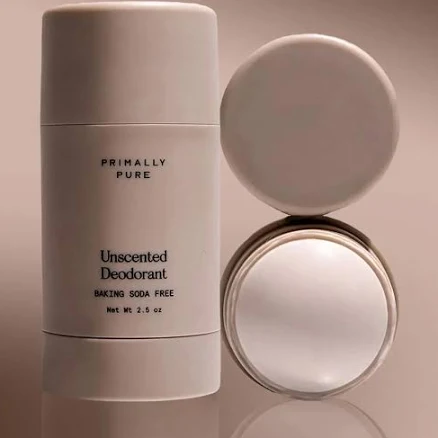
- mineral-based powder blend (arrowroot, magnesium hydroxide, mica)
- We found no PFAS statement from the brand
- Skin irritation from magnesium hydroxide alkalinity
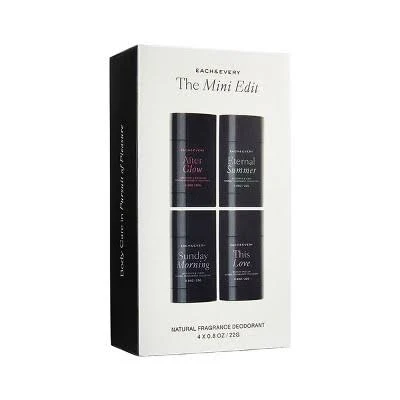
- cosmetic formulations, primary ingredients listed
- A third party reports verifying it as PFAS-free
- Fragrance allergens (natural essential oils)
2 hazards checked on this product, all on its full breakdown.
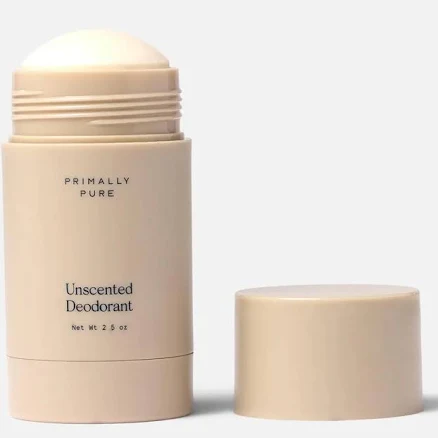
- natural mineral powders, plant-based actives, beeswax
- We found no PFAS statement from the brand
- Beeswax purity and contamination
2 hazards checked on this product, all on its full breakdown.
More deodorant grades
How we score, every product runs through the same public 0-100 rubric based on materials, coatings, brand disclosure, lab findings, and recalls. See the full methodology → Spotted a mistake? Report an error.