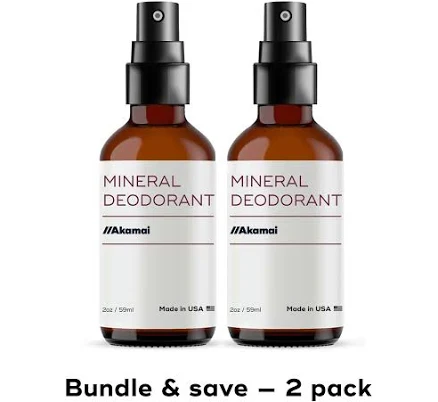
MINERAL DEODORANT Bottles
Lower PFAS concern; mineral deodorants avoid common PFAS sources.
This mineral salt deodorant is aluminum-free and not a PFAS compound itself. Baxter doesn't disclose whether the plastic bottle uses water-resistant or stain-resistant coatings.
We flunk more products than we pass. This one earned its grade. How we grade
Material
Mineral salts (aluminum-free deodorant), plastic bottle
Brand disclosure
Brand is silent on PFAS
Lab data
No public lab test
You may also be interested in
Top-graded picks in the categories readers replace first, every one scored on the same rubric.

- polypropylene filter housing, carbon/sediment cartridge
- We found no PFAS statement from the brand
- Bacterial growth in spent cartridges
3 hazards checked on this product, all on its full breakdown.

Aquasure
Premier Series 75 GPD Under Sink Reverse Osmosis Water Filtration System
- RO membrane, carbon filters, stainless steel housing
- We found no PFAS statement from the brand
- Bacterial and microbial growth in housing and filters
4 hazards checked on this product, all on its full breakdown.

Avocado
Vegan Mattress
- organic cotton, natural latex, coconut coir, recycled steel coils
- The brand calls it PFAS-free, which we have not verified
- Heavy metals
2 hazards checked on this product, all on its full breakdown.
What MINERAL DEODORANT Bottles is made of, ingredients and materials
Baxter's Mineral Deodorant is formulated with mineral salts (typically potassium alum or ammonium alum) as the active ingredient, which work by inhibiting bacterial growth rather than blocking sweat. The product is alcohol-free and aluminum-free, eliminating two common deodorant irritants. The plastic bottle is a standard HDPE or polypropylene container; mineral salt formulas themselves do not require PFAS-containing water-repellent coatings or surfactants that trigger PFAS concern in conventional deodorants.
What’s concerning
Category baseline
The starting point for this type of product, before anything specific to this product is counted.
No PFAS disclosure
No public statement from the brand about PFAS in this product.
Heavy metals
Mineral salt formulations (potassium alum, ammonium alum) are generally recognized as safe, but source purity and lead/cadmium content are not independently verified by the brand; no test results are publicly available.
Source, FDA ↗Bacterial or mold growth in bottle
Liquid or paste mineral deodorants stored in warm, humid bathrooms can develop microbial growth if the bottle seal is compromised or the product is not used regularly; this is a storage and maintenance risk, not a formulation flaw.
Skin irritation from mineral salts
Mineral salts can cause temporary irritation, dryness, or sensitivity in individuals with compromised skin barriers or recent hair removal; this is product-specific sensitivity, not a contamination hazard.
What’s reassuring
Base material not linked to PFAS
The main material recorded for this product is not one associated with PFAS.
Fragrance allergens
Baxter's Mineral Deodorant is marketed as fragrance-free or lightly scented with essential oils; no synthetic fragrance blend allergen concerns are documented for this specific product.
PFAS
Standard HDPE or polypropylene bottles used for deodorant are low-risk for BPA or phthalate migration; no recalls or hazard alerts are on record for Baxter packaging in this category.
Source, ATSDR ↗How is this PFAS grade calculated?
The brand's record and disclosure
The brand has not publicly disclosed PFAS testing or third-party certifications for packaging or formula. The brand markets products as clean and natural but provides limited transparency on manufacturing processes or material sourcing. No recalls or safety controversies specific to this deodorant line are on record. The lack of active disclosure about bottle materials is typical for small personal-care brands but represents a transparency gap rather than a known safety failure.
How it compares in its category
Mineral deodorants are inherently lower-risk than conventional antiperspirants containing aluminum chlorohydrate or synthetic fragrance blends. Baxter's formulation avoids synthetic antimicrobials (like triclosan, now banned in many markets) and talc, both hazards in some mainstream deodorants. Compared to stick or spray formats, a solid mineral salts product in a bottle eliminates propellant and aerosol inhalation risks. The main trade-off is efficacy, mineral salts are gentler but may provide less odor control than aluminum-based or zinc-based alternatives.
If you buy it
Store the bottle in a cool, dry place to prevent mineral salt caking or moisture absorption. Mineral salt deodorants are designed for topical application only and should not be ingested. Replace the bottle if the seal degrades or if you notice discoloration, which may indicate bacterial or mold contamination from humid storage. Discontinue use if skin irritation develops; mineral salts can cause irritation in individuals with sensitive skin or recent shaving.
What is not known about PFAS in this product?
- Basis
- Model estimate, 72% confidence, not a lab result
- Lab test
- None on record for this exact product
- Brand statement
- has made none
Formulations change between production runs, so check the current label. How we grade.
What are the PFAS-free alternatives to MINERAL DEODORANT Bottles?
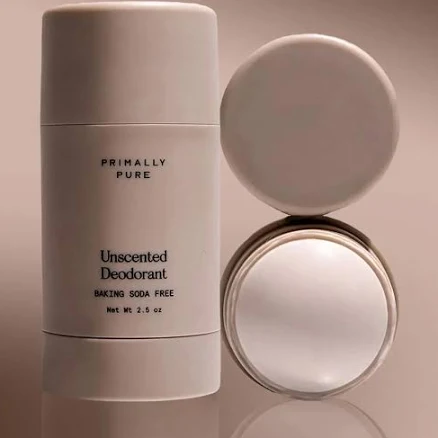
- mineral-based powder blend (arrowroot, magnesium hydroxide, mica)
- We found no PFAS statement from the brand
- Skin irritation from magnesium hydroxide alkalinity
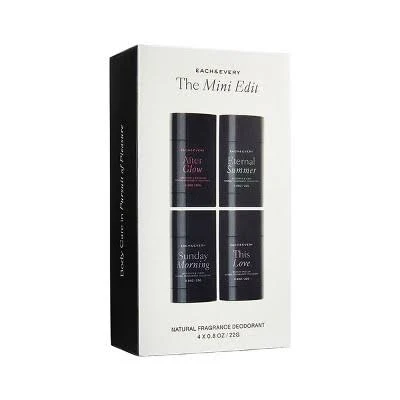
- cosmetic formulations, primary ingredients listed
- A third party reports verifying it as PFAS-free
- Fragrance allergens (natural essential oils)
2 hazards checked on this product, all on its full breakdown.
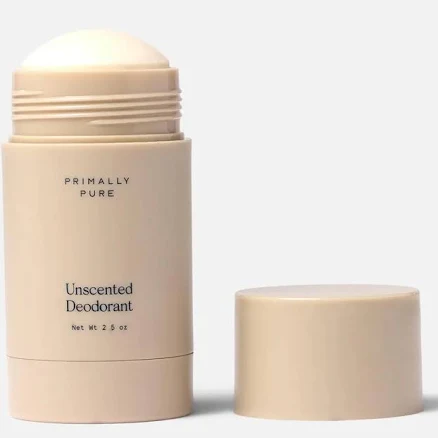
- natural mineral powders, plant-based actives, beeswax
- We found no PFAS statement from the brand
- Beeswax purity and contamination
2 hazards checked on this product, all on its full breakdown.
More deodorant grades
How we score, every product runs through the same public 0-100 rubric based on materials, coatings, brand disclosure, lab findings, and recalls. See the full methodology → Spotted a mistake? Report an error.