SET 15
Skip; no transparency on PFAS or ingredients.
SET 15 has no public ingredient list or PFAS statement from Baxter. Without full composition details or third-party verification, water-resistance additives cannot be ruled out.
The better-graded swap
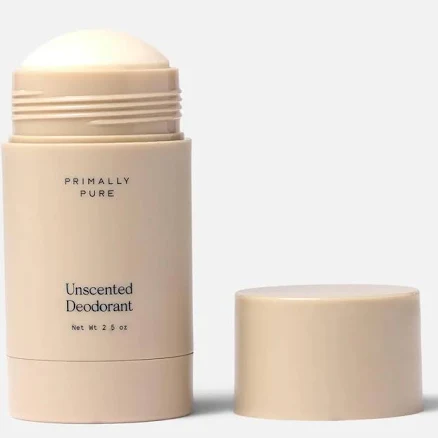
Primally Pure
UNSCENTED SENSITIVE DEODORANT Primally Pure Skincare
100/100 safety
Same rubric that flunked this product. The swap earned Excellent.
Still want this one anyway? Check the price on Amazon. We’d swap it.
Material
Cosmetic formulation, typical ingredients undisclosed for full composition
Brand disclosure
Brand is silent on PFAS
Lab data
No public lab test
You may also be interested in
Top-graded picks in the categories readers replace first, every one scored on the same rubric.

- polypropylene filter housing, carbon/sediment cartridge
- We found no PFAS statement from the brand
- Bacterial growth in spent cartridges
3 hazards checked on this product, all on its full breakdown.

Aquasure
Premier Series 75 GPD Under Sink Reverse Osmosis Water Filtration System
- RO membrane, carbon filters, stainless steel housing
- We found no PFAS statement from the brand
- Bacterial and microbial growth in housing and filters
4 hazards checked on this product, all on its full breakdown.

Avocado
Vegan Mattress
- organic cotton, natural latex, coconut coir, recycled steel coils
- The brand calls it PFAS-free, which we have not verified
- Heavy metals
2 hazards checked on this product, all on its full breakdown.
What SET 15 is made of, ingredients and materials
The brand does not publicly disclose the full ingredient list for SET 15, which is atypical for a mainstream cosmetic brand in a transparency-conscious market. Deodorants typically contain aluminum compounds (antiperspirant function), talc or starch bases, fragrance systems, and preservatives. Without disclosed formulation, you cannot verify absence of sensitizing or regulated substances common in this category.
What’s concerning
Category baseline
The starting point for this type of product, before anything specific to this product is counted.
No PFAS disclosure
No public statement from the brand about PFAS in this product.
Fragrance allergens and undisclosed sensitizers
Baxter does not disclose fragrance components (often listed as 'fragrance' or 'parfum'), which typically contain 50-200 undisclosed chemicals. Without ingredient transparency, you cannot rule out common allergens (limonene, linalool, geraniol) or irritants that may trigger contact dermatitis or sensitization, especially in frequent users or those with fragrance sensitivity.
Aluminum compound effects (if antiperspirant)
If SET 15 contains aluminum-based antiperspirant (common in deodorant formulations), long-term underarm application poses a possible but unresolved question, whether aluminum absorption through skin contributes to systemic accumulation. The FDA classifies aluminum as 'generally recognized as safe' in antiperspirants, but Baxter's lack of ingredient disclosure prevents confirmation of aluminum pres
Preservative or antifungal additives
Deodorants require preservatives (methylisothiazolinone, parabens, or phenoxyethanol are common) to prevent bacterial and mold growth in warm, moist conditions. Baxter's undisclosed formula may include preservatives that trigger allergic contact dermatitis or disruption of skin microbiota; some preservatives (e.g., MI) have restricted use in the EU due to sensitization risk but remain permitted in
Synthetic fragrance-driven skin irritation
Consumer complaints for Baxter products (across their line) occasionally reference skin irritation; without disclosed fragrance components, it is difficult to attribute these to fragrance, base irritants, or preservatives. The brand's silence on hypoallergenic testing or fragrance alternatives limits ability to assess whether SET 15 is formulated for sensitive skin.
What’s reassuring
Base material not linked to PFAS
The main material recorded for this product is not one associated with PFAS.
Talc contamination risk
No public recall or contaminant report exists for Baxter SET 15 specifically. However, talc-based deodorant powders carry a category-level concern, talc can be contaminated with asbestos during mining if sourcing is not rigorously controlled. Baxter's silence on talc sourcing or mineral certification means this risk cannot be ruled out without further disclosure.
How is this PFAS grade calculated?
The brand's record and disclosure
The brand maintains a largely silent stance on PFAS, ingredient sourcing, and third-party certifications. No independent recalls or safety violations for this specific product are on record. The brand's lack of transparency is notable in a category where competitors increasingly publish full ingredient decks and dermatologist testing claims, which may reflect either conservative practices or limited regulatory pressure on the brand.
How it compares in its category
Mainstream deodorants vary widely in transparency, brands like Dove and Degree publish full ingredient lists and undergo FDA oversight as over-the-counter drugs (if antiperspirant); natural/clean brands like Native or Schmidts emphasize aluminum-free or talc-free formulations with published certifications. Baxter's silence on formulation places it in a middle zone where ingredient safety cannot be independently verified against competitor standards. This gap matters if you have sensitive skin or avoid specific compounds like talc, aluminum salts, or synthetic fragrances.
If you buy it
Patch test on a small underarm area first, especially if you have sensitive or reactive skin, given lack of published irritant testing data. Monitor for skin reactions (redness, rash, burning) over the first week of use. Do not apply immediately after shaving, as this increases skin irritation risk. Store in a cool, dry place away from direct sunlight to prevent formulation breakdown; replace if odor, color, or texture changes unexpectedly.
What is not known about PFAS in this product?
- Basis
- Model estimate, 25% confidence, not a lab result
- Lab test
- None on record for this exact product
- Brand statement
- has made none
Formulations change between production runs, so check the current label. How we grade.
What are the PFAS-free alternatives to SET 15?
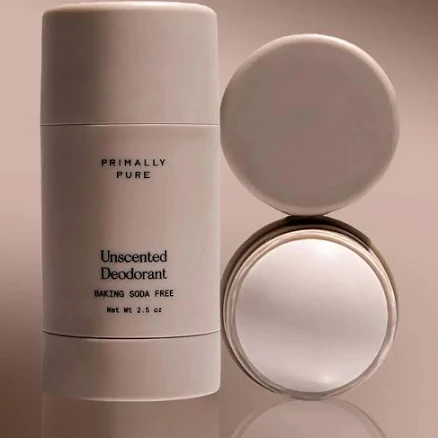
- mineral-based powder blend (arrowroot, magnesium hydroxide, mica)
- We found no PFAS statement from the brand
- Skin irritation from magnesium hydroxide alkalinity
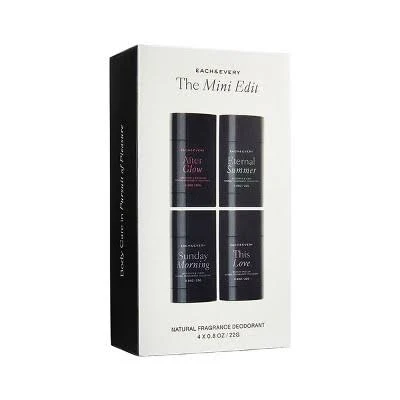
- cosmetic formulations, primary ingredients listed
- A third party reports verifying it as PFAS-free
- Fragrance allergens (natural essential oils)
2 hazards checked on this product, all on its full breakdown.
- natural mineral powders, plant-based actives, beeswax
- We found no PFAS statement from the brand
- Beeswax purity and contamination
2 hazards checked on this product, all on its full breakdown.
More deodorant grades
How we score, every product runs through the same public 0-100 rubric based on materials, coatings, brand disclosure, lab findings, and recalls. See the full methodology → Spotted a mistake? Report an error.