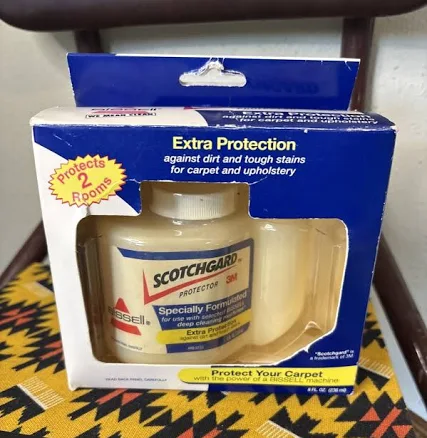
Bissell · Fabric Stain Guard Sprays
Bissell Scotchgard Protector
Avoid until Bissell discloses coating chemistry or obtains third-party verification.
Bissell Scotchgard Protector applies proprietary water and stain repellent treatment on furniture surfaces. Brand provides no PFAS disclosure or third-party verification, making risk assessment difficult.
Still want this one anyway? Check the price on Amazon. We’d swap it.
Material
Proprietary stain and water repellent coating
Brand disclosure
Brand is silent on PFAS
Lab data
No public lab test
What Bissell Scotchgard Protector is made of, ingredients and materials
Bissell Scotchgard Protector is a spray-applied fabric treatment that uses a proprietary stain and water repellent coating. The exact chemical formula is not publicly disclosed by Bissell, making independent assessment of non-PFAS hazards difficult. Given that fluorochemical water repellents are industry standard in this product category, the coating likely contains fluorinated compounds designed to bond to fabric fibers and create a hydrophobic barrier. Without ingredient transparency, risk of off-gassing, skin sensitization during application, or long-term fabric degradation cannot be fully ruled out.
What’s concerning
Category baseline
The starting point for this type of product, before anything specific to this product is counted.
Vague safety claims only
Uses vague language ("eco-friendly", "clean") without a specific PFAS statement.
Waterproof / stain-resistant treatment
Water-repellent coating treatments have historically used PFAS.
Volatile organic compounds (VOCs) and spray inhalation risk
Aerosol application of undisclosed coating chemistry poses respiratory exposure risk during and immediately after spraying. Carrier solvents and propellants are typical in this product type but not detailed in public labeling.
Fabric irritation and sensitization on direct skin contact
Chemical repellent coatings can cause localized irritation or allergic contact dermatitis in sensitive individuals, especially on prolonged contact with treated upholstery before full curing.
Coating degradation and potential leaching into seating surfaces
Long-term durability and breakdown products of the proprietary coating are unspecified. Degraded or damaged coating may release or migrate into cushion fill or underlying fabrics over time and with wear.
Off-gassing of unknown chemical compounds
Spray-applied fabric treatments commonly off-gas for hours to days after application. Bissell does not publish volatile component profiles, making prediction of odor duration and chemical exposure uncertain.
What’s reassuring
Incomplete removal on fabric after washing or dry cleaning
No established safety concern documented, but residual coating may affect fabric absorbency, color fastness, or feel; check care instructions before professional cleaning.
The full breakdown
The brand's record and disclosure
Bissell has not publicly disclosed the chemistry of Scotchgard Protector or obtained third-party certifications (such as Cradle to Cradle, OEKO-TEX, or bluesign) that would verify hazard-free formulation. The brand has maintained silence on PFAS content despite industry-wide scrutiny and competitor commitments to PFAS-free alternatives. No major recalls or documented safety incidents involving this specific product have been published, but lack of disclosure is itself a compliance and transparency concern in a category where PFAS regulations are tightening globally.
How it compares in its category
Furniture protectors span a spectrum, water-based or plant-derived wax coatings (lower concern), traditional fluorochemical repellents like 3M Scotchgard (PFAS-heavy but established), and newer PFAS-free synthetic alternatives marketed by some brands. Bissell Scotchgard Protector sits in the middle tier by reputation but lacks the transparency benchmarks that competitors increasingly offer. Many premium furniture retailers now require or recommend protectors with lower PFAS concern; Bissell's silence makes it harder to compare head-to-head risk profiles.
If you buy it
Apply only in well-ventilated areas and avoid inhalation of spray mist during application. Do not apply to furniture that will be used by infants, young children, or pets immediately after treatment; allow 24-48 hours curing before contact. Test on a hidden fabric swatch first to ensure no discoloration or stiffening. Re-application frequency varies by use; check the label for recoat intervals and discontinue use if fabric develops odor, stiffness, or visible degradation that does not resolve with gentle cleaning.
What we don’t know
- Basis
- Model estimate, 45% confidence, not a lab result
- Lab test
- None on record for this exact product
- Brand statement
- Bissell has made none
Formulations change between production runs, so check the current label. How we grade.
Better-graded alternatives in Fabric Stain Guard Sprays
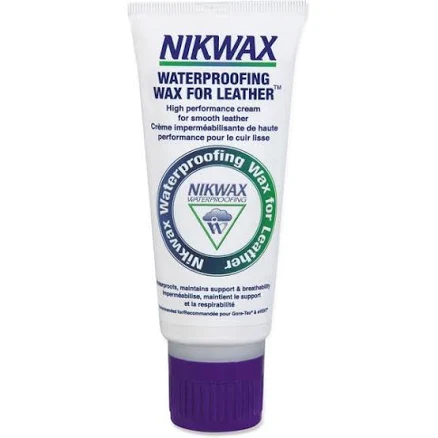
Nikwax
Waterproofing Wax for Leather
- wax-based waterproofing
- The brand calls it PFAS-free, which we have not verified
- Respiratory irritation or fume inhalation during application
2 hazards checked on this product. See all of them.
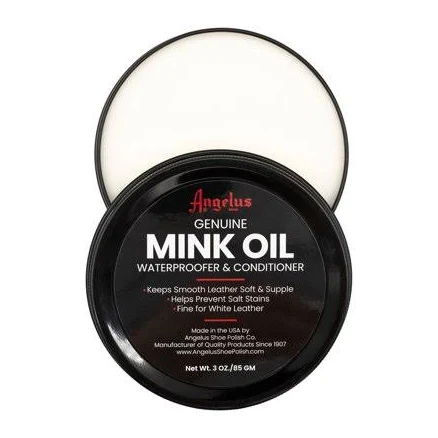
Angelus
Mink Oil Paste Leather Waterproofer and Contitioner 3 oz
- mink oil paste, natural oil-based conditioner
- We found no PFAS statement from the brand
- Microbial growth (natural oil rancidity)
2 hazards checked on this product. See all of them.
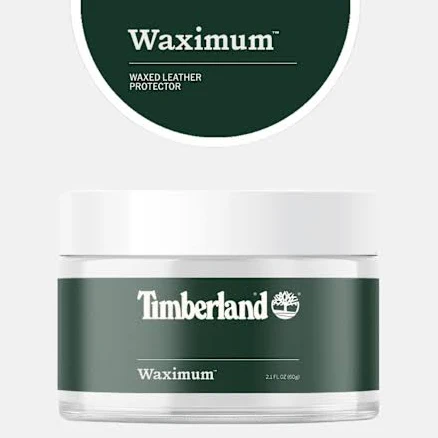
Timberland
Waximum Waxed Leather Protector
- Wax-based leather protector
- We found no PFAS statement from the brand
- Volatile organic compounds (VOCs) from solvents
3 hazards checked on this product. See all of them.
More fabric stain guard sprays grades
How we score, every product runs through the same public 0-100 rubric based on materials, coatings, brand disclosure, lab findings, and recalls. See the full methodology → Spotted a mistake? Report an error.