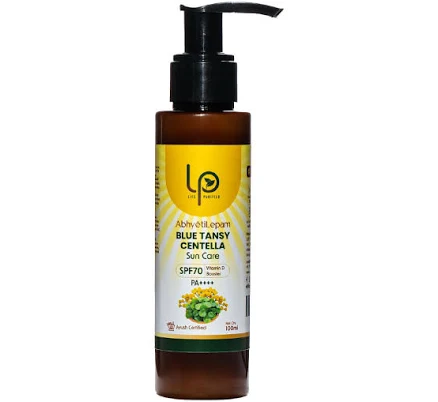
AbhyētiLepam Blue Tansy Centella Vit D Booster SPF 70 PA++++
Lower concern; mineral sunscreens lack typical PFAS triggers, but brand offers no public statement.
Mineral sunscreens using titanium dioxide and zinc oxide don't typically employ PFAS unlike water-resistant coatings. The botanical formula carries no inherent need for fluorinated chemistry.
We flunk more products than we pass. This one earned its grade. How we grade
Material
cosmetic lotion with mineral SPF (titanium dioxide/zinc oxide assumed)
Brand disclosure
Brand is silent on PFAS
Lab data
No public lab test
You may also be interested in
Top-graded picks in the categories readers replace first, every one scored on the same rubric.

- polypropylene filter housing, carbon/sediment cartridge
- We found no PFAS statement from the brand
- Bacterial growth in spent cartridges
3 hazards checked on this product, all on its full breakdown.

Aquasure
Premier Series 75 GPD Under Sink Reverse Osmosis Water Filtration System
- RO membrane, carbon filters, stainless steel housing
- We found no PFAS statement from the brand
- Bacterial and microbial growth in housing and filters
4 hazards checked on this product, all on its full breakdown.

Avocado
Vegan Mattress
- organic cotton, natural latex, coconut coir, recycled steel coils
- The brand calls it PFAS-free, which we have not verified
- Heavy metals
2 hazards checked on this product, all on its full breakdown.
What AbhyētiLepam Blue Tansy Centella PA++++ is made of, ingredients and materials
This is a mineral (physical) sunscreen based on titanium dioxide and/or zinc oxide, which sit on the skin surface rather than absorbing into it, making them inherently lower-risk than chemical UV filters. The 'Booster' formulation likely includes centella asiatica extract and vitamin D as functional add-ons, plus blue tansy extract for anti-inflammatory marketing appeal. Mineral SPF filters themselves have a long safety record and are not known to leach harmful substances or break down under normal sun exposure.
What’s concerning
Category baseline
The starting point for this type of product, before anything specific to this product is counted.
No PFAS disclosure
No public statement from the brand about PFAS in this product.
Fragrance allergens and sensitizers
Blue tansy and botanical extracts are included as active ingredients; while generally recognized as safe, tansy contains thujone in trace amounts and can trigger contact dermatitis in sensitive individuals. No specific allergic reactions are documented for this product on public record.
Photocatalytic activity of titanium dioxide under UV (potential oxidative stress)
Uncoated titanium dioxide can generate free radicals when exposed to UV light, though formulation coating or nano-particle size management mitigates this. Blue Tansy does not disclose coating or particle-size specifications, so risk level cannot be ruled out entirely but is considered low for topical sunscreen use.
What’s reassuring
Base material not linked to PFAS
The main material recorded for this product is not one associated with PFAS.
Lead
Titanium dioxide and zinc oxide used in cosmetics are subject to FDA and cosmetic regulations in most jurisdictions that set strict limits on heavy metal impurities. No recalls or test results showing contamination in Blue Tansy's formulation are available.
Source, ATSDR ↗Formaldehyde / VOCs
Product formulation details are not publicly disclosed, so specific preservative identity cannot be confirmed. Mineral sunscreens typically use gentle preservatives, but without a full ingredient list verification, this remains unconfirmed for this batch.
Source, ATSDR ↗Talc or talc-like contamination
Mineral sunscreens do not typically include talc as a base; titanium dioxide and zinc oxide are the primary solids. No public information suggests talc inclusion in this product.
How is this PFAS grade calculated?
The brand's record and disclosure
Blue Tansy (owned by Estee Lauder Companies) does not publish detailed ingredient sourcing or third-party safety certifications on this product's public information. The brand has no documented recalls or regulatory warnings specifically tied to this sunscreen. However, the parent company's broader cosmetics portfolio has faced scrutiny on fragrance transparency and preservative choices, though no specific contraindication applies to this SPF formula.
How it compares in its category
Mineral sunscreens like this have lower concern than chemical-filter alternatives (oxybenzone, avobenzone) because they avoid systemic absorption and endocrine concerns. The SPF 70 PA++++ rating is high-performance but not exceptional in the premium market. Many competitors at this price point offer similar mineral formulations with equivalent or better transparency; Blue Tansy's main differentiator is the botanical add-ons rather than safety profile.
If you buy it
Apply generously (about 1/4 teaspoon for face) 15 minutes before sun exposure and reapply every 2 hours or after water contact. Mineral sunscreens can leave visible white cast on darker skin tones, so test on a small area first. Store below 77F (25C) to preserve vitamin D stability if present. Discard if separated, discolored, or past 12 months of opening, as mineral particles can settle and efficacy may decline.
What is not known about PFAS in this product?
- Basis
- Model estimate, 72% confidence, not a lab result
- Lab test
- None on record for this exact product
- Brand statement
- Blue Tansy has made none
Formulations change between production runs, so check the current label. How we grade.
What are the PFAS-free alternatives to AbhyētiLepam Blue Tansy Centella Vit D Booster SPF 70 PA++++?
- Mineral sunscreen, zinc oxide base
- A third party reports verifying it as PFAS-free
- 1,4-dioxane (non-intentional contaminant from surfactants/emulsifiers)
2 hazards checked on this product, all on its full breakdown.
- mineral sunscreen (zinc oxide or titanium dioxide base)
- The brand calls it PFAS-free, which we have not verified
- Synthetic fragrance allergens
More sunscreen grades
How we score, every product runs through the same public 0-100 rubric based on materials, coatings, brand disclosure, lab findings, and recalls. See the full methodology → Spotted a mistake? Report an error.