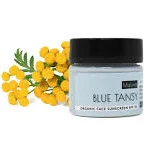
Organic Face Natural Sunscreen
Lower concern; zinc oxide sunscreens rarely contain PFAS, but verify complete ingredients online.
Non-nano zinc oxide mineral UV filters carry no known PFAS risk. The brand makes no PFAS claims or verification claims. Review the full ingredient list online to identify any problematic additives beyond the active.
We flunk more products than we pass. This one earned its grade. How we grade
Material
Non-nano zinc oxide + organic plant-based base
Brand disclosure
Brand is silent on PFAS
Lab data
No public lab test
You may also be interested in
Top-graded picks in the categories readers replace first, every one scored on the same rubric.

- polypropylene filter housing, carbon/sediment cartridge
- We found no PFAS statement from the brand
- Bacterial growth in spent cartridges
3 hazards checked on this product, all on its full breakdown.

Aquasure
Premier Series 75 GPD Under Sink Reverse Osmosis Water Filtration System
- RO membrane, carbon filters, stainless steel housing
- We found no PFAS statement from the brand
- Bacterial and microbial growth in housing and filters
4 hazards checked on this product, all on its full breakdown.

Avocado
Vegan Mattress
- organic cotton, natural latex, coconut coir, recycled steel coils
- The brand calls it PFAS-free, which we have not verified
- Heavy metals
2 hazards checked on this product, all on its full breakdown.
What Organic Face Natural Sunscreen is made of, ingredients and materials
This product uses non-nano zinc oxide as the primary UV filter, which sits on skin rather than penetrating it, making systemic absorption negligible. Zinc oxide is a broad-spectrum mineral blocker and does not degrade under sunlight into harmful byproducts as some organic filters do. The 'organic plant-based base' likely includes oils, butters, and botanical extracts; these are generally low-risk but can harbor allergens depending on sourcing. Non-nano particle size (larger than 100 nm) is the claimed advantage for sensitive skin, though effectiveness depends on formulation density.
What’s concerning
Category baseline
The starting point for this type of product, before anything specific to this product is counted.
No PFAS disclosure
No public statement from the brand about PFAS in this product.
Fragrance allergens and sensitizers
Product is labeled with 'the brand' and marketed as scented ('natural' fragrance assumed). Tansy itself is not regulated cosmetic fragrance and may contain skin sensitizers; unlisted fragrance components are not disclosed in the product description. Users with fragrance sensitivity or inflamed skin should request full INCI list before purchase.
Botanical extract contamination or variability
Handmade products with organic plant bases have no standardized quality control on botanical sourcing. Potential for mold, bacterial growth, or pesticide residue if raw materials are not validated; small-batch production also means higher batch-to-batch variation in safety profile.
Incomplete formulation stability data
Mineral sunscreens require careful emulsifier balance to prevent settling and ensure consistent UV coverage. Indie brands rarely publish stability or efficacy testing data; the SPF 30 claim is unverified by FDA or third-party labs, which is typical for non-commercial formulations.
Oil-based base potential for clogged pores or photosensitivity
Organic plant-based oils (coconut, jojoba, rosehip) can be comedogenic in some individuals and may increase pore clogging if the formulation is not optimized for facial use. Some botanical extracts (citrus, bergamot oils) are photosensitizing and should not be layered under UV exposure without verification of concentration.
What’s reassuring
Base material not linked to PFAS
The main material recorded for this product is not one associated with PFAS.
Heavy metals
Non-nano zinc oxide is generally well-purified in pharmaceutical-grade formulations, but indie suppliers may not validate for cadmium or lead. No recalls or published contamination issues are documented for specifically; request Certificate of Analysis from supplier if purchasing.
Source, FDA ↗How is this PFAS grade calculated?
The brand's record and disclosure
The brand markets itself as a 'green beauty' brand with handmade positioning and has not publicly disclosed PFAS testing or ingredient sourcing standards on mainstream platforms. The brand does not appear in major EWG Verified or NSF Certified Organic databases, limiting third-party verification of claims. No significant safety recalls or controversies are documented in public health databases for this specific product. The 'silent' PFAS stance suggests absence of proactive transparency rather than confirmed testing; this is common in smaller indie brands but increases purchase friction for consumers seeking verified safety data.
How it compares in its category
Mineral sunscreens (zinc oxide, titanium dioxide) carry lower chemical leaching risk than organic filters (oxybenzone, avobenzone) and avoid endocrine disruption concerns. Non-nano zinc oxide formulations are increasingly common for sensitive skin but are grittier and harder to spread than nano or hybrid products. Most major brands (Coppertone, Neutrogena, La Roche-Posay) now offer similar zinc-based options with more rigorous stability testing and FDA oversight. Handmade and indie formulations lack the batch-to-batch consistency guarantees of commercial manufacturers, which matters for sensitive skin users.
If you buy it
Store away from direct heat and moisture; sunscreen formulations can separate or oxidize if exposed to high temperatures. Apply generously (about 1/4 teaspoon for face) and reapply every two hours or after water exposure, as handmade products may not have the water-resistance claims of commercial versions. If skin irritation occurs after application, isolate whether it is the zinc oxide (unlikely) or a botanical extract in the base; patch-test first on inner arm. Check the full ingredient list online before purchasing to identify specific botanical sources and fragrance components, as the product description does not list them.
What is not known about PFAS in this product?
- Basis
- Model estimate, 72% confidence, not a lab result
- Lab test
- None on record for this exact product
- Brand statement
- has made none
Formulations change between production runs, so check the current label. How we grade.
What are the PFAS-free alternatives to Organic Face Natural Sunscreen?
- Mineral sunscreen, zinc oxide base
- A third party reports verifying it as PFAS-free
- 1,4-dioxane (non-intentional contaminant from surfactants/emulsifiers)
2 hazards checked on this product, all on its full breakdown.
- mineral sunscreen (zinc oxide or titanium dioxide base)
- The brand calls it PFAS-free, which we have not verified
- Synthetic fragrance allergens
More sunscreen grades
How we score, every product runs through the same public 0-100 rubric based on materials, coatings, brand disclosure, lab findings, and recalls. See the full methodology → Spotted a mistake? Report an error.