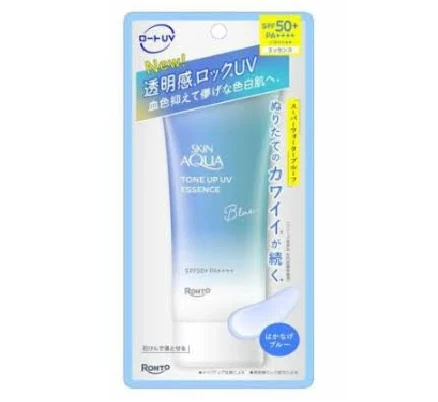
ROHTO Skin Aqua Tone Up UV Essence SPF50+ PA++
Sunscreen with no fluorinated ingredient on record, and no PFAS statement from the brand.
Rohto has no PFAS statement on record for this sunscreen. Our record does not include an ingredient-level check, so look for fluorinated ingredients such as Teflon-type coating on the label.
We flunk more products than we pass. This one earned its grade. How we grade
Material
Water-resistant cosmetic emulsion (likely silicone-based UV essence)
Brand disclosure
Brand is silent on PFAS
Lab data
No public lab test
You may also be interested in
Top-graded picks in the categories readers replace first, every one scored on the same rubric.

- polypropylene filter housing, carbon/sediment cartridge
- We found no PFAS statement from the brand
- Bacterial growth in spent cartridges
3 hazards checked on this product, all on its full breakdown.

Aquasure
Premier Series 75 GPD Under Sink Reverse Osmosis Water Filtration System
- RO membrane, carbon filters, stainless steel housing
- We found no PFAS statement from the brand
- Bacterial and microbial growth in housing and filters
4 hazards checked on this product, all on its full breakdown.

Avocado
Vegan Mattress
- organic cotton, natural latex, coconut coir, recycled steel coils
- The brand calls it PFAS-free, which we have not verified
- Heavy metals
2 hazards checked on this product, all on its full breakdown.
What ROHTO Skin Aqua Tone Up UV SPF50+ PA++ is made of, ingredients and materials
ROHTO Skin Aqua Tone Up UV Essence is a silicone-based emulsion sunscreen designed for lightweight, water-resistant UV protection. Silicone polymers in such formulas provide durability and spreadability without the heaviness of mineral sunscreens, though they require thorough cleansing to remove. The 'tone up' descriptor typically signals optical brightening agents (often titanium dioxide or iron oxides) that may impart a slight white or purple cast; these are inert mineral pigments with low absorption risk when applied topically.
What’s concerning
Category baseline
The starting point for this type of product, before anything specific to this product is counted.
No PFAS disclosure
No public statement from the brand about PFAS in this product.
Fragrance allergens
Sunscreen essences often contain fragrance compounds to mask silicone or mineral odors. No specific allergen list is published by Rohto for this product; individuals with fragrance sensitivity should request the full ingredient declaration from the distributor or perform a patch test.
1,4-dioxane (solvent residue)
Emulsified silicone sunscreens may contain trace 1,4-dioxane as a byproduct of ethoxylated surfactants used in formulation. Industry testing suggests levels are typically well below 10 ppm (regulatory threshold in some markets); Rohto does not disclose dioxane testing for this product.
Formaldehyde / VOCs
Water-based emulsions require preservatives to prevent microbial growth. Rohto does not list specific preservative chemistry on the English-language label; potential preservatives include imidazolidinyl urea or other formaldehyde donors, common in cosmetics but rare allergens when used at regulatory limits.
Source, ATSDR ↗Silicone buildup on skin and in pores
Silicone-based sunscreens can accumulate if not fully removed daily, potentially leading to congestion, comedones, or irritation in acne-prone or sensitive skin. This is a user-dependent concern rather than a toxicity hazard; mitigated by consistent double cleansing.
What’s reassuring
Base material not linked to PFAS
The main material recorded for this product is not one associated with PFAS.
Heavy metals
Iron oxides and titanium dioxide used for tone-up effect are cosmetic-grade inert minerals with no established lead or cadmium contamination in reputable suppliers. Rohto sources from regulated Japanese manufacturers; no contamination recalls are on record for this line.
Source, FDA ↗How is this PFAS grade calculated?
The brand's record and disclosure
Rohto (Mentholatum Company) is a Japanese pharmaceutical and cosmetics manufacturer with a long history in OTC personal care. The brand has no major recalls or safety controversies on record for this sunscreen line in public databases. Rohto does not publish a dedicated PFAS or 'forever chemicals' disclosure statement; no fluorinated UV filters or aqueous film-forming agents are listed on the product label or available ingredient databases.
How it compares in its category
Silicone-based UV essences are mainstream in East Asian sunscreen markets and occupy a middle ground between chemical (organic filter) and mineral (physical blocker) sunscreens. This product is comparable to other silicone essences (e.g., Biore, Sunplay) in texture and water resistance; it avoids oxybenzone and octinoxate (which carry endocrine concerns) and is formulated without oxybenzone, a known hazard in the category. The SPF50+ and PA++ rating meet global high-protection standards.
If you buy it
Apply generously (about one-quarter teaspoon for face) and reapply every two hours or after swimming, as water resistance is finite. Cleanse thoroughly with makeup remover or gentle oil cleanser to remove silicone residue and prevent pore clogging. Store in a cool, dry place away from direct sunlight to preserve UV filter efficacy; discard after one year of opening or if the formula separates or thickens. Patch test first if you have sensitive or acne-prone skin, as silicone can occasionally trigger congestion in predisposed individuals.
What is not known about PFAS in this product?
- Basis
- Model estimate, 45% confidence, not a lab result
- Lab test
- None on record for this exact product
- Brand statement
- Rohto has made none
Formulations change between production runs, so check the current label. How we grade.
What are the PFAS-free alternatives to ROHTO Skin Aqua Tone Up UV Essence SPF50+ PA++?
- Mineral sunscreen, zinc oxide base
- A third party reports verifying it as PFAS-free
- 1,4-dioxane (non-intentional contaminant from surfactants/emulsifiers)
2 hazards checked on this product, all on its full breakdown.
- mineral sunscreen (zinc oxide or titanium dioxide base)
- The brand calls it PFAS-free, which we have not verified
- Synthetic fragrance allergens
More sunscreen grades
How we score, every product runs through the same public 0-100 rubric based on materials, coatings, brand disclosure, lab findings, and recalls. See the full methodology → Spotted a mistake? Report an error.