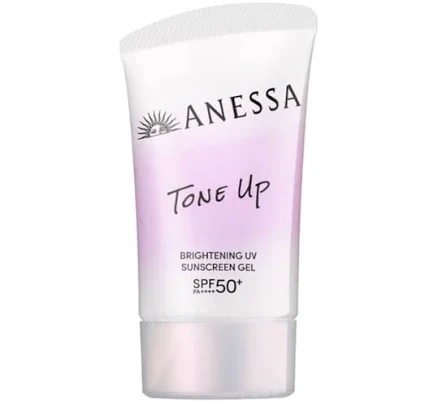
Shiseido Anessa Brightening UV Sunscreen Gel
Sunscreen with no fluorinated ingredient on record, and no PFAS statement from the brand.
Shiseido has no PFAS statement on record for this sunscreen. Our record does not include an ingredient-level check, so look for fluorinated ingredients such as Teflon-type coating on the label.
We flunk more products than we pass. This one earned its grade. How we grade
Material
gel sunscreen with water-resistant treatment
Brand disclosure
Brand is silent on PFAS
Lab data
No public lab test
You may also be interested in
Top-graded picks in the categories readers replace first, every one scored on the same rubric.

- polypropylene filter housing, carbon/sediment cartridge
- We found no PFAS statement from the brand
- Bacterial growth in spent cartridges
3 hazards checked on this product, all on its full breakdown.

Aquasure
Premier Series 75 GPD Under Sink Reverse Osmosis Water Filtration System
- RO membrane, carbon filters, stainless steel housing
- We found no PFAS statement from the brand
- Bacterial and microbial growth in housing and filters
4 hazards checked on this product, all on its full breakdown.

Avocado
Vegan Mattress
- organic cotton, natural latex, coconut coir, recycled steel coils
- The brand calls it PFAS-free, which we have not verified
- Heavy metals
2 hazards checked on this product, all on its full breakdown.
What Shiseido Anessa UV Sunscreen Gel is made of, ingredients and materials
Shiseido Anessa Brightening UV Sunscreen Gel is a water-resistant gel formulation designed to provide UVA/UVB protection. Gel sunscreens typically contain organic or inorganic UV filters (such as avobenzone, octinoxate, zinc oxide, or titanium dioxide), humectants, silicones, and preservatives suspended in a lightweight base. Water resistance is achieved through polymer film-formers and hydrophobic ingredients rather than applied coatings, so no additional surface treatment hazards apply. The gel matrix itself is not inherently hazardous if formulation complies with cosmetic regulations.
What’s concerning
Category baseline
The starting point for this type of product, before anything specific to this product is counted.
No PFAS disclosure
No public statement from the brand about PFAS in this product.
Formaldehyde / VOCs
Gel sunscreens commonly contain preservatives such as methylisothiazolinone or imidazolidinyl urea, which release trace formaldehyde over time. Shiseido does not disclose specific preservative identity for this product on the consumer label; formaldehyde release in cosmetics is regulated but not eliminated. Skin contact with low levels is common in cosmetic use and is not typically associated with
Source, ATSDR ↗Fragrance allergens
The Brightening variant is noted to contain fragrance, which may include undisclosed allergen components such as limonene, linalool, or other sensitizing molecules. Fragrance is not itemized in ingredient lists in most markets, making individual allergen identification difficult. People with sensitive skin or known fragrance sensitivities should seek an unscented variant or patch test first.
1,4-dioxane residue
1,4-dioxane is a potential byproduct of ethoxylation in surfactants and emulsifiers commonly present in sunscreen gels. It is not intentionally added but may occur as a trace contaminant during synthesis. Regulatory bodies (FDA, EU) do not require removal but acknowledge trace presence in cosmetics is widespread; long-term dermal exposure at cosmetic trace levels is not established as a significan
What’s reassuring
Base material not linked to PFAS
The main material recorded for this product is not one associated with PFAS.
Heavy metals
No titanium dioxide, iron oxides, or other pigments are listed as primary ingredients in this gel formulation. Brightening claims are typically achieved through light-reflecting polymers or spherical silicates rather than heavy-metal-containing pigments. No contamination records or recalls related to heavy-metal content are on record for this product line.
Source, FDA ↗Talc contamination
Talc is not a listed ingredient in this gel sunscreen. Shiseido does not use talc as a primary texture agent in aqueous gel formulas. No talc-related recalls or contamination reports exist for this product.
How is this PFAS grade calculated?
The brand's record and disclosure
Shiseido is a multinational cosmetics company with a long history of regulatory compliance in major markets (US FDA, EU, Japan). The brand does not publicly disclose PFAS content or make anti-PFAS statements, but no fluorinated UV filters or aqueous film-forming polymers appear on the ingredient list of this product. Shiseido has not faced established recalls or safety controversies specific to this sunscreen line. Standard cosmetic safety data sheets and regulatory filings are available through official channels.
How it compares in its category
Gel sunscreens are among the lighter textural options in sun protection, often preferred for oily or combination skin. Compared to cream or lotion sunscreens, gels typically contain fewer emollients and more humectants, which reduces risk of certain heavy-metal pigment concentrations. Water-resistant gel formulas occupy the mid-range of durability in the category; they are comparable to most mainstream drugstore and prestige brands in terms of chemical hazard profile, though ingredient transparency varies widely by brand.
If you buy it
Apply sunscreen 15 minutes before sun exposure and reapply every 2 hours or after water exposure, regardless of water-resistant claims. Store below 30 degrees Celsius (86 degrees Fahrenheit) and away from direct sunlight to prevent ingredient degradation; heat exposure can reduce efficacy and may alter preservative stability. Check the expiration date before use; opened gel sunscreens should be replaced every 12 months to minimize microbial contamination risk and preservative breakdown. Perform a patch test on a small area of skin 24 hours before full-face use to rule out fragrance or preservative sensitivity.
What is not known about PFAS in this product?
- Basis
- Model estimate, 35% confidence, not a lab result
- Lab test
- None on record for this exact product
- Brand statement
- Shiseido has made none
Formulations change between production runs, so check the current label. How we grade.
What are the PFAS-free alternatives to Shiseido Anessa Brightening UV Sunscreen Gel?
- Mineral sunscreen, zinc oxide base
- A third party reports verifying it as PFAS-free
- 1,4-dioxane (non-intentional contaminant from surfactants/emulsifiers)
2 hazards checked on this product, all on its full breakdown.
- mineral sunscreen (zinc oxide or titanium dioxide base)
- The brand calls it PFAS-free, which we have not verified
- Synthetic fragrance allergens
More sunscreen grades
How we score, every product runs through the same public 0-100 rubric based on materials, coatings, brand disclosure, lab findings, and recalls. See the full methodology → Spotted a mistake? Report an error.