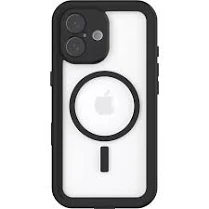
Body Glove · Waterproof Phone Cases
Body Glove Tidal Waterproof Case with MagSafe for iPhone 17
Skip until Body Glove clarifies waterproof case materials and treatments.
Body Glove discloses no information about PFAS in this waterproof phone case. Waterproof rigid cases typically rely on seals and material composition rather than PFAS-containing coatings, but confirmation from the brand is absent.
We flunk more products than we pass. This one earned its grade. How we grade
Material
Thermoplastic polyurethane (TPU) or silicone, waterproof seals
Brand disclosure
Brand is silent on PFAS
Lab data
No public lab test
What Body Glove Tidal Waterproof Case is made of, ingredients and materials
This case is constructed from either thermoplastic polyurethane (TPU) or silicone, both common elastomers chosen for flexibility and water resistance. TPU is a synthetic polymer with lower volatility than some plastics, while silicone is an inorganic rubber compound. Neither material typically contains BPA, phthalates, or heavy metal pigments in their base form, but the waterproof seal system and any adhesives or surface treatments applied to achieve the IP rating are not disclosed by Body Glove and represent the actual chemical exposure risk.
What’s concerning
Category baseline
The starting point for this type of product, before anything specific to this product is counted.
No PFAS disclosure
No public statement from the brand about PFAS in this product.
Waterproof seal and adhesive composition (undisclosed)
Seals in waterproof phone cases often use PFAS-based compounds or fluorinated adhesives; Body Glove has not disclosed whether this case employs such treatments. Without product specifications, exposure risk cannot be quantified.
Volatile organic compounds (VOCs) from polymer or adhesive off-gassing
TPU and silicone elastomers can emit trace levels of unreacted monomers or plasticizers, especially when new or when heated. Silicone is generally lower-concern; TPU composition varies by manufacturer and is not specified for this model.
Coating or surface treatment leaching (if applied)
If the case exterior has been treated with UV resistance, antimicrobial, or grip-enhancing coatings, these are not named in available product literature. Such treatments can leach into skin or water contact, but presence and composition remain unknown.
What’s reassuring
Degradation and microparticle shedding over time
No recalls or reports of TPU or silicone shedding microplastics from this case exist. However, both materials degrade over 1-3 years; flaking or sticky residue indicates replacement is needed to prevent ingestion or skin contact with breakdown products.
MagSafe magnet safety (not material chemistry)
Embedded magnets in phone cases are not chemical hazards and FDA-cleared for MagSafe use. No contamination with heavy metals in magnet material has been reported for Body Glove cases.
The full breakdown
The brand's record and disclosure
Body Glove has not published material safety data sheets, manufacturing certifications (ISO 14001, bluesign, or similar), or PFAS avoidance commitments for this product line. The brand's waterproof case materials remain undisclosed, including whether seals or coatings contain fluorinated compounds commonly used in water-repellency treatments. No recalls, contamination reports, or third-party testing results are on public record for this specific model. Without transparency on formulation, Body Glove's position on safer alternatives cannot be assessed.
How it compares in its category
Silicone and TPU cases are among the lower-chemical-concern options for phone protection, avoiding hard plastics that may leach or rigid materials requiring heavy coatings. However, budget and mid-tier waterproof cases, Body Glove's market segment, rarely disclose seal and adhesive composition; premium brands like Catalyst and OtterBox occasionally publish material transparency. Most competitors in this category maintain similarly silent PFAS and waterproof treatment disclosure, making Body Glove neither an outlier nor a leader in transparency.
If you buy it
Keep the case away from sustained heat above 60°C (140°F), as TPU and silicone can soften or degrade, potentially releasing adhesive volatiles. Avoid prolonged contact with solvents, oils, or abrasive surfaces that accelerate aging. Inspect seals quarterly for cracks or separation; replace the case if waterproof integrity is compromised or material becomes visibly sticky or discolored, signs of polymer breakdown. Rinse with cool water after saltwater or chlorine exposure and air-dry fully before sealing the phone back inside.
What we don’t know
- Basis
- Model estimate, 35% confidence, not a lab result
- Lab test
- None on record for this exact product
- Brand statement
- Body Glove has made none
Formulations change between production runs, so check the current label. How we grade.
Better-graded alternatives in Waterproof Phone Cases
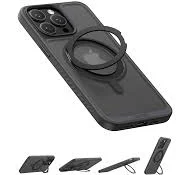
Anker
MagGo Magnetic Case with Stand
- TPU plastic shell, fabric/synthetic lining
- We found no PFAS statement from the brand
- TPU plasticizer leaching
3 hazards checked on this product. See all of them.
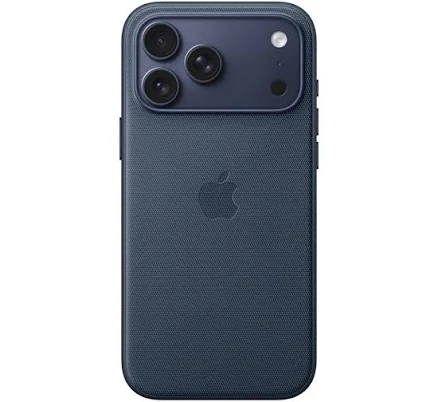
Apple
iPhone 17 Pro Max TechWoven Case with MagSafe
- Woven fabric blend, MagSafe magnets
- We found no PFAS statement from the brand
- Nickel leaching from MagSafe magnets
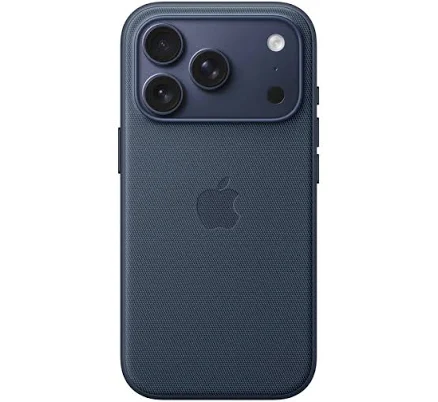
Apple
iPhone 17 Pro TechWoven Case with MagSafe
- Woven textile (likely polyester/nylon blend) with elastomer accents
- We found no PFAS statement from the brand
- Heavy metals
2 hazards checked on this product. See all of them.
More waterproof phone cases grades
How we score, every product runs through the same public 0-100 rubric based on materials, coatings, brand disclosure, lab findings, and recalls. See the full methodology → Spotted a mistake? Report an error.