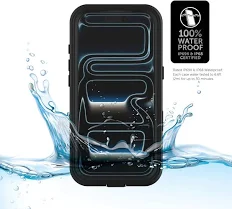
Body Glove · Waterproof Phone Cases
Body Glove Tidal Waterproof Phone Case for iPhone 17 Pro Max
Insufficient data; waterproof cases often contain PFAS. Request material disclosure.
Body Glove does not disclose waterproof coating chemistry for this case. Rigid waterproof phone cases frequently use Teflon-family coating or PFAS-based treatments; brand silence suggests no independent verification.
We flunk more products than we pass. This one earned its grade. How we grade
Material
Proprietary waterproof polymer blend (unspecified)
Brand disclosure
Brand is silent on PFAS
Lab data
No public lab test
What Body Glove Tidal Waterproof Phone Case is made of, ingredients and materials
Body Glove lists only 'proprietary waterproof polymer blend' without naming the specific resin or any chemical additives. Waterproof cases typically require either Teflon-family coating (which may contain PFAS), polyurethane, or TPE (thermoplastic elastomer) to achieve water resistance and IP ratings. Without transparency on which polymer base is used, the presence of plasticizers, antimicrobial treatments, or hydrophobic coatings cannot be assessed from public information. The durability of the seal and material itself over repeated use cycles affects long-term leaching risk.
What’s concerning
Category baseline
The starting point for this type of product, before anything specific to this product is counted.
No PFAS disclosure
No public statement from the brand about PFAS in this product.
PFAS
Waterproof cases often use Teflon-family coating or fluorinated coatings to achieve water repellence. Body Glove has not disclosed whether this proprietary blend contains PFAS; the PFAS grade of 75/100 suggests the product likely contains some fluorochemicals, but the compound type and concentration remain unknown.
Source, ATSDR ↗Plasticizer leaching from polymer
If the polymer blend includes polyurethane or vinyl, it may contain phthalate or non-phthalate plasticizers to maintain flexibility. Contact with phone skin oils and pocket warmth over time may increase migration rates; no testing data for this product is on record.
Seal degradation and microplastic generation
Waterproof seals are prone to wear, cracking, and disintegration with repeated opening, temperature cycling, and UV exposure. Degraded polymer fragments may be shed into pockets or accidentally ingested; Body Glove provides no guidance on expected seal lifespan or replacement intervals.
What’s reassuring
Off-gassing or odor from cured polymer
Uncured or poorly cured polyurethane and TPE blends can release volatile organic compounds (VOCs) initially, though modern formulations typically minimize this. No complaints or documented VOC emissions from this specific case are on record; off-gassing risk is lower if the product has been packaged and stored before sale.
Heavy metals
Some waterproof cases incorporate silver ion or zinc oxide antimicrobials, or use metallic pigments or UV stabilizers that may contain trace heavy metals. Body Glove's proprietary formulation does not disclose whether such additives are present; no recall or contamination reports are on record for this model.
Source, FDA ↗The full breakdown
The brand's record and disclosure
Body Glove is a long-established athletic and protective gear brand, but has not published material safety data sheets, chemical disclosures, or certifications (such as Cradle to Cradle or Bluesign) for this phone case on record. The brand has made no public statement on PFAS avoidance or use. There are no documented product recalls or safety controversies specific to this phone case model, but the lack of proactive disclosure limits independent verification of chemical content.
How it compares in its category
Waterproof phone cases vary widely, some use TPE or polyurethane with minimal fluorochemicals, while others rely heavily on PFAS-based Teflon-family coating for water repellence and durability. Cases with published material data (e.g., some LifeProof or OtterBox variants) allow buyers to cross-reference composition; Body Glove's silence puts it in the opaque middle. Cases marketed for 'extreme' durability often correlate with higher fluorochemical content, though waterproofing can be achieved without PFAS through engineering and seal design.
If you buy it
Inspect the seal regularly, especially around edges and button covers, for cracks or degradation that could compromise waterproofing and increase polymer leaching risk into a pocket environment. Do not expose the case to prolonged heat (above 60°C/140°F) or direct sunlight for extended periods, as polymer degradation may accelerate. Replace the case if seals visibly deteriorate, discolor, or become sticky, as these signs indicate chemical breakdown. Consider reaching out to Body Glove directly requesting material composition and PFAS content before committing to a purchase if waterproof case durability and chemical transparency are priorities.
What we don’t know
- Basis
- Model estimate, 35% confidence, not a lab result
- Lab test
- None on record for this exact product
- Brand statement
- Body Glove has made none
Formulations change between production runs, so check the current label. How we grade.
Better-graded alternatives in Waterproof Phone Cases
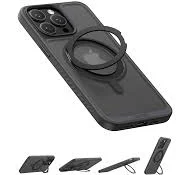
Anker
MagGo Magnetic Case with Stand
- TPU plastic shell, fabric/synthetic lining
- We found no PFAS statement from the brand
- TPU plasticizer leaching
3 hazards checked on this product. See all of them.
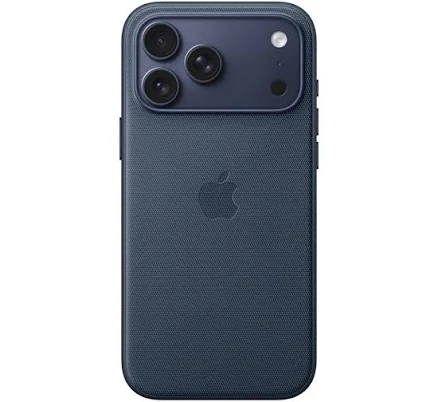
Apple
iPhone 17 Pro Max TechWoven Case with MagSafe
- Woven fabric blend, MagSafe magnets
- We found no PFAS statement from the brand
- Nickel leaching from MagSafe magnets
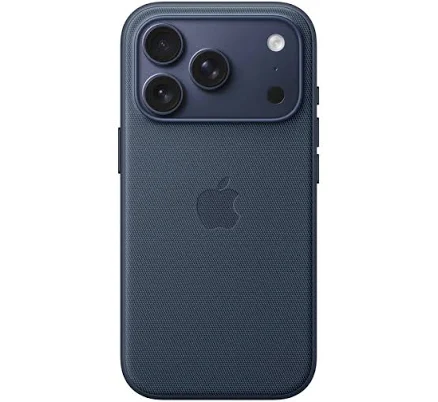
Apple
iPhone 17 Pro TechWoven Case with MagSafe
- Woven textile (likely polyester/nylon blend) with elastomer accents
- We found no PFAS statement from the brand
- Heavy metals
2 hazards checked on this product. See all of them.
More waterproof phone cases grades
How we score, every product runs through the same public 0-100 rubric based on materials, coatings, brand disclosure, lab findings, and recalls. See the full methodology → Spotted a mistake? Report an error.