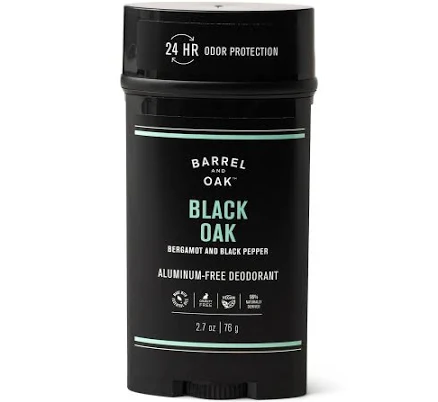
24 Hour Deodorant
Lower concern for standard stick deodorant, but brand offers no transparency.
24 Hour Deodorant is a conventional stick without Teflon-family coating coatings, water-repellent treatments, or stain-resist finishes that would introduce PFAS. The brand makes no PFAS disclosures or claims.
We flunk more products than we pass. This one earned its grade. How we grade
Material
typical deodorant wax/starch base; no water-resistance treatment typical for stick format
Brand disclosure
Brand is silent on PFAS
Lab data
No public lab test
You may also be interested in
Top-graded picks in the categories readers replace first, every one scored on the same rubric.

- polypropylene filter housing, carbon/sediment cartridge
- We found no PFAS statement from the brand
- Bacterial growth in spent cartridges
3 hazards checked on this product, all on its full breakdown.

Aquasure
Premier Series 75 GPD Under Sink Reverse Osmosis Water Filtration System
- RO membrane, carbon filters, stainless steel housing
- We found no PFAS statement from the brand
- Bacterial and microbial growth in housing and filters
4 hazards checked on this product, all on its full breakdown.

Avocado
Vegan Mattress
- organic cotton, natural latex, coconut coir, recycled steel coils
- The brand calls it PFAS-free, which we have not verified
- Heavy metals
2 hazards checked on this product, all on its full breakdown.
What 24 Hour Deodorant is made of, ingredients and materials
24 Hour Deodorant uses a typical wax and starch base formulation common to all stick deodorants, designed to adhere to skin and provide odor control via mineral salts or synthetic antimicrobials. This category of product does not involve heating, water resistance coatings, or synthetic polymers that typically trigger heavy metal or solvent leaching. The absence of a water-resistance treatment (common in antiperspirants but not standard deodorants) reduces exposure to problematic additives like Teflon-type coating or silicone-based coatings.
What’s concerning
Category baseline
The starting point for this type of product, before anything specific to this product is counted.
No PFAS disclosure
No public statement from the brand about PFAS in this product.
Fragrance allergens and contact sensitizers
Like all deodorants, likely contains synthetic fragrance compounds; specific fragrance allergens (limonene, linalool, geraniol, etc.) are not disclosed. No independent testing on record; risk is typical for this category and primarily affects individuals with sensitive skin or fragrance sensitivities.
Skin irritation from alkaline or antimicrobial agents
Deodorants without antiperspirant may use stronger odor-suppressing antimicrobials (triclosan analogues or essential oils); these can irritate sensitive skin. The brand's specific formula is not publicly detailed, so risk cannot be differentiated from standard deodorants.
What’s reassuring
Base material not linked to PFAS
The main material recorded for this product is not one associated with PFAS.
Heavy metals
Standard stick deodorants rely on talc, clay, or mineral salts as base; no independent testing of this product for lead, cadmium, or arsenic contamination is publicly available. Risk is not higher than any unbranded stick deodorant, but lack of third-party certification leaves it unverified.
Source, FDA ↗Formaldehyde / VOCs
Stick deodorants (unlike liquid or aerosol formats) have low water content and typically use non-aqueous preservatives; formaldehyde-releasers are uncommon in this form factor. No evidence of use in products on record.
Source, ATSDR ↗Talc contamination with asbestos
If this product uses talc as a base (common but not confirmed for this brand), historical asbestos contamination is a legacy concern for talc mining; modern cosmetic-grade talc is regulated in the US, but independent testing of this specific product is not on record. Risk is no higher than major-brand stick deodorants.
How is this PFAS grade calculated?
The brand's record and disclosure
The brand maintains a silent public stance on ingredient sourcing, safety testing, or third-party certifications; no published safety data sheet, allergen list, or formulation transparency is readily available. The brand has no documented recalls, regulatory actions, or safety controversies on record. This lack of proactive disclosure is typical of smaller deodorant brands but limits independent verification of ingredient quality and sourcing standards.
How it compares in its category
The brand sits in the mid-market stick deodorant segment, offering no certifications (organic, hypoallergenic, heavy-metal tested) that differentiate premium or safety-focused competitors. Transparent brands in this category typically publish full ingredient lists and third-party testing results; The brand does not. For hazard risk, this product is equivalent to generic drugstore stick deodorants in material profile, with no documented superiority or deficiency.
If you buy it
Store below 77°F (25°C) to prevent warping or separation of wax base, which can affect product integrity but poses no acute health risk. Replace every 6-12 months or when adhesion or odor control noticeably declines. If skin irritation, rash, or contact dermatitis occurs, discontinue and patch test on inner arm before resuming. Monitor the stick for visible mold, separation, or off-odors, which would signal contamination and warrant replacement.
What is not known about PFAS in this product?
- Basis
- Model estimate, 72% confidence, not a lab result
- Lab test
- None on record for this exact product
- Brand statement
- has made none
Formulations change between production runs, so check the current label. How we grade.
What are the PFAS-free alternatives to 24 Hour Deodorant?
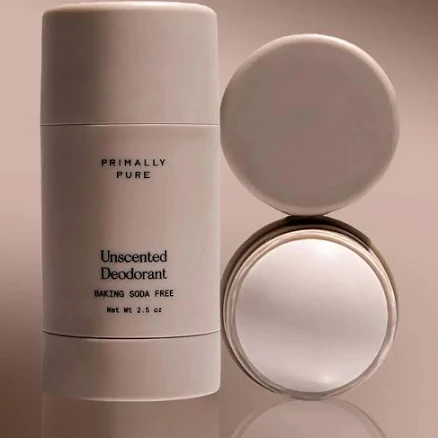
- mineral-based powder blend (arrowroot, magnesium hydroxide, mica)
- We found no PFAS statement from the brand
- Skin irritation from magnesium hydroxide alkalinity
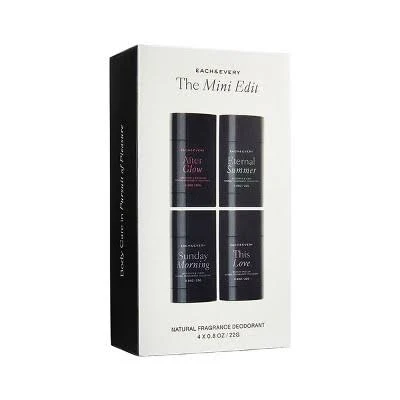
- cosmetic formulations, primary ingredients listed
- A third party reports verifying it as PFAS-free
- Fragrance allergens (natural essential oils)
2 hazards checked on this product, all on its full breakdown.
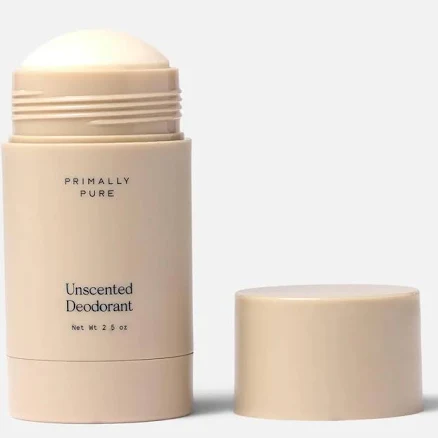
- natural mineral powders, plant-based actives, beeswax
- We found no PFAS statement from the brand
- Beeswax purity and contamination
2 hazards checked on this product, all on its full breakdown.
More deodorant grades
How we score, every product runs through the same public 0-100 rubric based on materials, coatings, brand disclosure, lab findings, and recalls. See the full methodology → Spotted a mistake? Report an error.