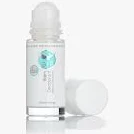
Balm Deodorant
Lower concern for balm deodorant; no brand transparency available.
Balm Deodorant uses waxes, oils, and butters that rarely need PFAS chemistry, with no waterproofing or specialty coatings in the formulation. The brand has not published PFAS claims or certifications.
We flunk more products than we pass. This one earned its grade. How we grade
Material
balm base (likely waxes, oils, butters)
Brand disclosure
Brand is silent on PFAS
Lab data
No public lab test
You may also be interested in
Top-graded picks in the categories readers replace first, every one scored on the same rubric.

- polypropylene filter housing, carbon/sediment cartridge
- We found no PFAS statement from the brand
- Bacterial growth in spent cartridges
3 hazards checked on this product, all on its full breakdown.

Aquasure
Premier Series 75 GPD Under Sink Reverse Osmosis Water Filtration System
- RO membrane, carbon filters, stainless steel housing
- We found no PFAS statement from the brand
- Bacterial and microbial growth in housing and filters
4 hazards checked on this product, all on its full breakdown.

Avocado
Vegan Mattress
- organic cotton, natural latex, coconut coir, recycled steel coils
- The brand calls it PFAS-free, which we have not verified
- Heavy metals
2 hazards checked on this product, all on its full breakdown.
What Balm Deodorant is made of, ingredients and materials
Balm deodorants are typically solid formulations based on natural or synthetic waxes (beeswax, candelilla), plant oils (coconut, shea), and butters, often with baking soda, arrowroot, or clay as odor-absorbing agents. This material class avoids the spray propellant and powder inhalation hazards of aerosol or loose-powder formats. The main chemistry concern is whether ingredient sourcing and processing introduce contaminants, and whether the balm base itself degrades or oxidizes with heat and skin contact.
What’s concerning
Category baseline
The starting point for this type of product, before anything specific to this product is counted.
No PFAS disclosure
No public statement from the brand about PFAS in this product.
Fragrance allergens and undisclosed fragrance components
Balm deodorants commonly contain essential oils or fragrance blends; The brand does not publicly disclose full fragrance ingredient lists. Some undisclosed fragrance chemicals (e.g., eugenol, limonene, geraniol) can trigger contact dermatitis or sensitization in susceptible individuals.
Baking soda skin irritation and pH imbalance
Many natural balm deodorants use sodium bicarbonate as an odor-absorber; if the formulation is not buffered or if used in high concentration, it can cause localized irritation, redness, or pH disruption in sensitive axillary skin, particularly with frequent application.
Oxidative degradation of oils and rancidity
Plant-oil-based balms are prone to oxidation over time, especially if exposed to light or heat; oxidized oils can produce irritant aldehydes and increase the risk of skin sensitization. No data is available on the brand's packaging or preservation protocols.
Antimicrobial preservative toxicity
Depending on which antimicrobial or preservative agents the brand uses (not publicly detailed), ingredients like methylisothiazolinone or phenoxyethanol may trigger contact dermatitis or systemic absorption if applied to broken skin.
What’s reassuring
Base material not linked to PFAS
The main material recorded for this product is not one associated with PFAS.
Heavy metals
If the balm contains colorants or mineral clays, trace heavy metals (lead, cadmium, arsenic) are a theoretical concern; no recalls or testing data for this brand is on record, and balm-format products typically pose lower heavy metal risk than powders.
Source, FDA ↗How is this PFAS grade calculated?
The brand's record and disclosure
The brand is a smaller, direct-to-consumer personal care brand with limited public safety documentation or third-party certifications on file. No major recalls, litigation, or health complaints are documented for this brand in public databases. However, the company does not appear to publish full ingredient sourcing, manufacturing certifications (e.g., cruelty-free, organic, non-GMO claims are not verified by recognized bodies), or toxicology transparency. This is typical of many indie brands but leaves verification gaps.
How it compares in its category
Balm deodorants are generally considered lower-risk than aerosol sprays or powders because they eliminate inhalation exposure pathways. Compared to conventional stick deodorants, balms avoid some synthetic polymer coatings but may use similar antimicrobial or fragrance agents. Many balm brands (especially those certified organic or third-party tested) provide stronger transparency than the brand appears to offer; however, the absence of disclosure does not confirm a hazard.
If you buy it
Store the balm at room temperature or cooler to prevent melting and separation; do not expose to prolonged heat or direct sunlight. Replace every 6-12 months if stored properly, sooner if it develops a rancid odor (sign of oil oxidation) or visible mold. If you experience skin irritation, patch-test on the inner arm first, as baking soda and some essential oils can be irritating for sensitive skin. Discontinue if you develop contact dermatitis and consult a dermatologist.
What is not known about PFAS in this product?
- Basis
- Model estimate, 72% confidence, not a lab result
- Lab test
- None on record for this exact product
- Brand statement
- has made none
Formulations change between production runs, so check the current label. How we grade.
What are the PFAS-free alternatives to Balm Deodorant?
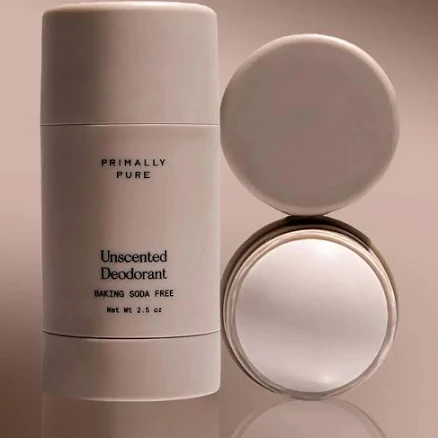
- mineral-based powder blend (arrowroot, magnesium hydroxide, mica)
- We found no PFAS statement from the brand
- Skin irritation from magnesium hydroxide alkalinity
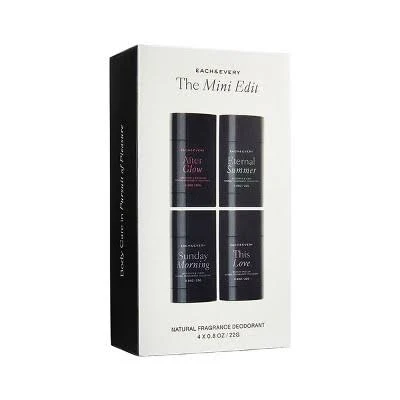
- cosmetic formulations, primary ingredients listed
- A third party reports verifying it as PFAS-free
- Fragrance allergens (natural essential oils)
2 hazards checked on this product, all on its full breakdown.
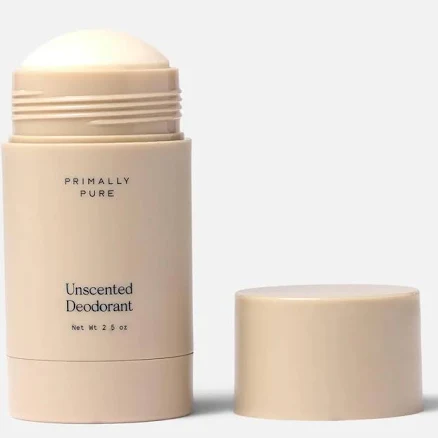
- natural mineral powders, plant-based actives, beeswax
- We found no PFAS statement from the brand
- Beeswax purity and contamination
2 hazards checked on this product, all on its full breakdown.
More deodorant grades
How we score, every product runs through the same public 0-100 rubric based on materials, coatings, brand disclosure, lab findings, and recalls. See the full methodology → Spotted a mistake? Report an error.