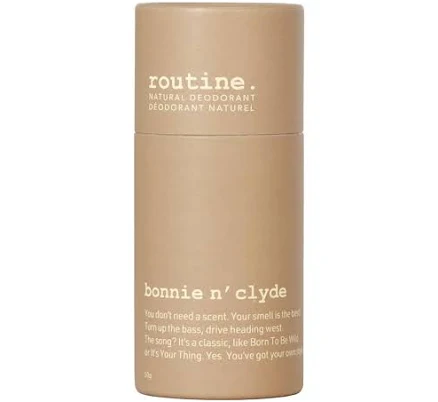
Routine Deodorant
Lower concern, but brand transparency on PFAS is unavailable.
Routine Deodorant is a basic deodorant using standard ingredients like aluminum, waxes, and oils without waterproofing or specialty coatings that typically contain PFAS. The brand has not disclosed any PFAS information or testing data.
We flunk more products than we pass. This one earned its grade. How we grade
Material
typical deodorant base, likely aluminum compounds, waxes, oils, starch
Brand disclosure
Brand is silent on PFAS
Lab data
No public lab test
You may also be interested in
Top-graded picks in the categories readers replace first, every one scored on the same rubric.

- polypropylene filter housing, carbon/sediment cartridge
- We found no PFAS statement from the brand
- Bacterial growth in spent cartridges
3 hazards checked on this product, all on its full breakdown.

Aquasure
Premier Series 75 GPD Under Sink Reverse Osmosis Water Filtration System
- RO membrane, carbon filters, stainless steel housing
- We found no PFAS statement from the brand
- Bacterial and microbial growth in housing and filters
4 hazards checked on this product, all on its full breakdown.

Avocado
Vegan Mattress
- organic cotton, natural latex, coconut coir, recycled steel coils
- The brand calls it PFAS-free, which we have not verified
- Heavy metals
2 hazards checked on this product, all on its full breakdown.
What Routine Deodorant is made of, ingredients and materials
Routine Deodorant is a typical stick deodorant formulation built on aluminum compounds (likely aluminum zirconium or aluminum chlorohydrate for antiperspirant function), combined with waxes, oils, and starch to create texture and spreadability. These materials are widely used in the deodorant category and have a long safety history in topical use. The wax and oil bases reduce skin irritation risk compared to talc-heavy formulations. No unusual or novel ingredients are documented in available product information.
What’s concerning
Category baseline
The starting point for this type of product, before anything specific to this product is counted.
No PFAS disclosure
No public statement from the brand about PFAS in this product.
Aluminum compound safety (systemic absorption risk)
Aluminum zirconium and aluminum chlorohydrate are approved for topical antiperspirant use by the FDA at standard concentrations. Systemic aluminum absorption from deodorant is considered negligible by regulatory bodies, though some epidemiological debate persists around long-term cumulative exposure. No specific safety data for Routine's aluminum concentration is publicly available.
Fragrance allergens and undisclosed components
Deodorant fragrances are permitted to hide individual aroma chemical components under the blanket term 'fragrance' on labels. If Routine includes fragrance, specific allergens (such as limonene or linalool) are not listed. Individuals with fragrance sensitivity should contact the brand or test on limited skin area first.
Skin irritation from wax or oil rancidity
Stick deodorants with oil and wax bases can undergo oxidative degradation if stored improperly or held beyond shelf life, potentially causing contact irritation. No specific shelf life or stability data for Routine is publicly documented. Consumer reports of irritation are not formally tracked.
What’s reassuring
Base material not linked to PFAS
The main material recorded for this product is not one associated with PFAS.
Heavy metals
No public information documents the presence of lead, cadmium, or other heavy metals in Routine Deodorant's formulation. The wax-based matrix is not a typical carrier for metal oxide pigments. Without ingredient transparency or third-party testing records, this remains unverified.
Source, FDA ↗Formaldehyde / VOCs
No public formulation data indicates the use of formaldehyde-releasing preservatives (such as dmdm hydantoin or imidazolidinyl urea) in Routine Deodorant. The wax-oil base is relatively resistant to microbial growth, reducing preservative demand. Without full ingredient disclosure, this cannot be definitively ruled out.
Source, ATSDR ↗How is this PFAS grade calculated?
The brand's record and disclosure
Bonnie & Clyde offers no visible public certifications (such as EWG verification, cruelty-free badges, or third-party testing claims) on this product. The brand has maintained silence on ingredient sourcing transparency, heavy metal testing, or formulation audits. No recalls, lawsuits, or safety controversies involving this deodorant are documented in public records. Without active disclosure, independent verification of manufacturing standards is unavailable.
How it compares in its category
This product sits in the mainstream aluminum-based deodorant segment, competing directly with brands like Secret and Degree rather than natural or aluminum-free alternatives. Routine's lack of published certifications places it below brands offering EWG or dermatology-tested endorsements, but above products with active safety warnings or recall history. It represents typical safety profile for conventional antiperspirant, without distinguishing safety advantages or disadvantages relative to comparable mass-market options.
If you buy it
Apply sparingly to clean, dry skin to minimize irritation and product buildup. Discontinue use if rash, itching, or burning develops, as sensitivity to aluminum compounds varies by individual. Replace every 12-18 months or when product is visibly depleted to avoid bacterial colonization at the stick surface. Store in a cool, dry place away from heat to maintain stick integrity and prevent rancidity of wax and oil components.
What is not known about PFAS in this product?
- Basis
- Model estimate, 72% confidence, not a lab result
- Lab test
- None on record for this exact product
- Brand statement
- Routine has made none
Formulations change between production runs, so check the current label. How we grade.
What are the PFAS-free alternatives to Routine Deodorant?
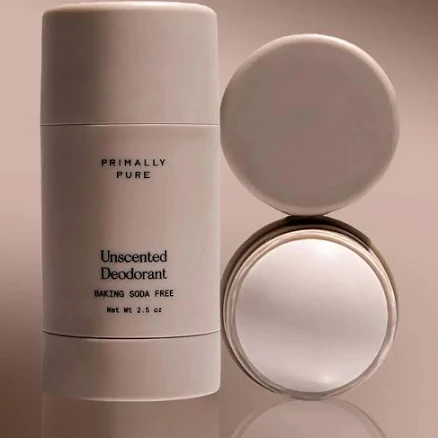
- mineral-based powder blend (arrowroot, magnesium hydroxide, mica)
- We found no PFAS statement from the brand
- Skin irritation from magnesium hydroxide alkalinity
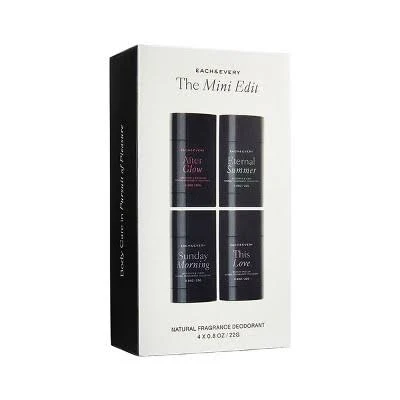
- cosmetic formulations, primary ingredients listed
- A third party reports verifying it as PFAS-free
- Fragrance allergens (natural essential oils)
2 hazards checked on this product, all on its full breakdown.
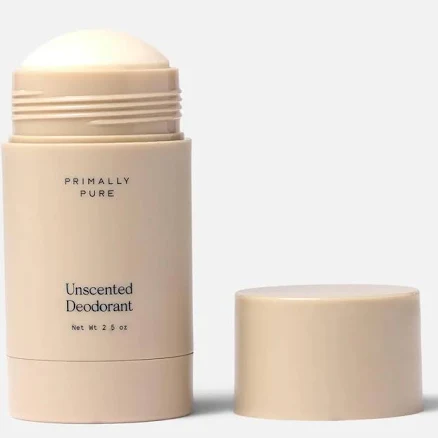
- natural mineral powders, plant-based actives, beeswax
- We found no PFAS statement from the brand
- Beeswax purity and contamination
2 hazards checked on this product, all on its full breakdown.
More deodorant grades
How we score, every product runs through the same public 0-100 rubric based on materials, coatings, brand disclosure, lab findings, and recalls. See the full methodology → Spotted a mistake? Report an error.