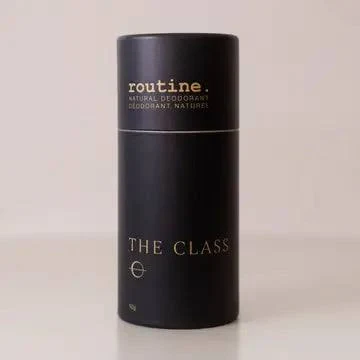
The Class Deodorant
Lower concern for standard deodorant, but no public brand assurance.
The Class Deodorant uses a standard wax and starch base without water-resistant or grease-resistant coatings that commonly contain PFAS. The brand has not disclosed PFAS status for this product.
We flunk more products than we pass. This one earned its grade. How we grade
Material
Deodorant base (presumed wax, starch, oil)
Brand disclosure
Brand is silent on PFAS
Lab data
No public lab test
You may also be interested in
Top-graded picks in the categories readers replace first, every one scored on the same rubric.

- polypropylene filter housing, carbon/sediment cartridge
- We found no PFAS statement from the brand
- Bacterial growth in spent cartridges
3 hazards checked on this product, all on its full breakdown.

Aquasure
Premier Series 75 GPD Under Sink Reverse Osmosis Water Filtration System
- RO membrane, carbon filters, stainless steel housing
- We found no PFAS statement from the brand
- Bacterial and microbial growth in housing and filters
4 hazards checked on this product, all on its full breakdown.

Avocado
Vegan Mattress
- organic cotton, natural latex, coconut coir, recycled steel coils
- The brand calls it PFAS-free, which we have not verified
- Heavy metals
2 hazards checked on this product, all on its full breakdown.
What The Class Deodorant is made of, ingredients and materials
The Class Deodorant uses a wax, starch, and oil base, which is a conventional formulation that avoids aluminum compounds (common in antiperspirants) and talc (linked to contamination concerns in some products). Wax and plant-derived starch are generally considered lower-concern carrier materials because they are not absorbed into skin and break down through normal washing. Oil content depends on type; most deodorant-grade oils (coconut, jojoba, argan) have no established toxicity hazards at cosmetic use levels.
What’s concerning
Category baseline
The starting point for this type of product, before anything specific to this product is counted.
No PFAS disclosure
No public statement from the brand about PFAS in this product.
Fragrance allergens and sensitizers
The product name and marketing suggest a fragrance component, but specific scent ingredients are not disclosed in known public materials. Undisclosed fragrance blends may contain common allergens (limonene, linalool, eugenol); patch testing is advisable for sensitive skin.
Skin irritation from essential oils or botanical extracts
Plant-derived deodorants often include essential oils for fragrance or antimicrobial effect. Oils such as tea tree, lavender, and lemongrass can trigger dermatitis or photosensitivity in susceptible individuals; undisclosed botanical content means consumers cannot pre-screen for known triggers.
What’s reassuring
Base material not linked to PFAS
The main material recorded for this product is not one associated with PFAS.
Heavy metals
No recalls or reports of lead, cadmium, or arsenic in The Class Deodorant have been recorded. Talc-free and aluminum-free formulations carry lower risk for these contaminants than pigmented or mineral-heavy alternatives, though botanical oils and waxes are not inherently guaranteed pure.
Source, FDA ↗1,4-dioxane (solvent residue)
This hazard is typical of ethoxylated surfactants (emulsifiers); a wax-starch-oil base does not typically require these ingredients, so 1,4-dioxane contamination is unlikely unless specific emulsifiers are used without disclosure.
Formaldehyde / VOCs
No public disclosure of preservative chemistry for this product; wax and oil-rich formulations can use gentle preservatives (e.g., vitamin E, rosemary extract) but brand silence makes verification impossible without ingredient list access.
Source, ATSDR ↗How is this PFAS grade calculated?
The brand's record and disclosure
The brand does not publicly disclose ingredient sourcing, manufacturing standards, or third-party certifications (such as EWG Verified, USDA Organic, or cruelty-free badges) based on publicly available information. No recalls, safety violations, or product-specific incidents have been recorded for this brand in major safety databases. The brand's silence on formulation transparency and PFAS stance means consumers cannot verify claims beyond the base material type.
How it compares in its category
Wax-and-starch deodorants occupy a middle ground, they avoid antiperspirant actives (aluminum salts) and talc, but typically require more frequent reapplication than aluminum-based products. Many direct competitors in the natural/clean beauty segment use similar bases (e.g., Kopari, Becca, Native). This product offers lower chemical complexity than conventional deodorants, though efficacy varies by individual body chemistry and activity level.
If you buy it
Store in a cool place; wax-based products soften at high temperatures (above 75-80°F) and may lose texture or spread unevenly. Patch test on inner arm first if you have sensitive skin, as fragrance or specific plant oils can trigger contact dermatitis. Replace when used down or if it hardens irreversibly. Wash applicator area daily to prevent bacterial buildup, especially if the product contacts skin directly without a barrier.
What is not known about PFAS in this product?
- Basis
- Model estimate, 68% confidence, not a lab result
- Lab test
- None on record for this exact product
- Brand statement
- has made none
Formulations change between production runs, so check the current label. How we grade.
What are the PFAS-free alternatives to The Class Deodorant?
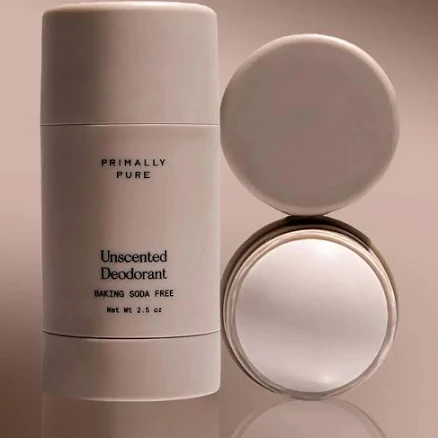
- mineral-based powder blend (arrowroot, magnesium hydroxide, mica)
- We found no PFAS statement from the brand
- Skin irritation from magnesium hydroxide alkalinity
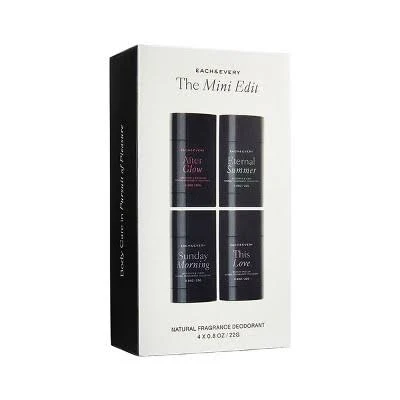
- cosmetic formulations, primary ingredients listed
- A third party reports verifying it as PFAS-free
- Fragrance allergens (natural essential oils)
2 hazards checked on this product, all on its full breakdown.
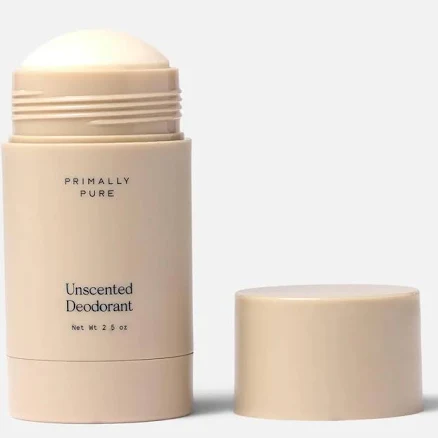
- natural mineral powders, plant-based actives, beeswax
- We found no PFAS statement from the brand
- Beeswax purity and contamination
2 hazards checked on this product, all on its full breakdown.
More deodorant grades
How we score, every product runs through the same public 0-100 rubric based on materials, coatings, brand disclosure, lab findings, and recalls. See the full methodology → Spotted a mistake? Report an error.