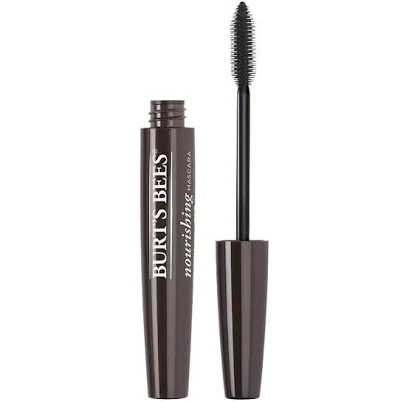
Burt's Bees · Waterproof Mascara
Burt's Bees Natural Nourishing Mascara
Lower concern than synthetic waterproof cosmetics; no PFAS disclosure.
This product uses plant-based waxes and oils rather than silicones, reducing typical PFAS risk. Burt's Bees makes no PFAS disclosure or third-party verification available.
The better-graded swap
Burt's Bees
Burt's Bees 100% Natural Nourishing Mascara, Black Brown
75/100 safety
Same rubric that flunked this product. The swap earned Excellent.
Still want this one anyway? Check the price on Amazon. We’d swap it.
Material
Wax, oils, and pigments (waterproof mascara base)
Lab data
No public lab test
You may also be interested in
Top-graded picks in the categories readers replace first, every one scored on the same rubric.

- polypropylene filter housing, carbon/sediment cartridge
- We found no PFAS statement from the brand
- Bacterial growth in spent cartridges
3 hazards checked on this product, all on its full breakdown.

Aquasure
Premier Series 75 GPD Under Sink Reverse Osmosis Water Filtration System
- RO membrane, carbon filters, stainless steel housing
- We found no PFAS statement from the brand
- Bacterial and microbial growth in housing and filters
4 hazards checked on this product, all on its full breakdown.

Avocado
Vegan Mattress
- organic cotton, natural latex, coconut coir, recycled steel coils
- The brand calls it PFAS-free, which we have not verified
- Heavy metals
2 hazards checked on this product, all on its full breakdown.
What Burt's Bees Natural Nourishing Mascara is made of, ingredients and materials
Burt's Bees Natural Nourishing Mascara uses a wax, oil, and pigment base rather than synthetic polymers or silicones typical of conventional waterproof mascaras. Wax and plant oils (such as jojoba or beeswax) are less likely to accumulate in the eye or cause irritation compared to acrylate copolymers or dimethicone-heavy formulas. The waterproofing effect relies on hydrophobic wax coating rather than fluorinated compounds, reducing certain chemical exposure routes. Pigments used in mascaras are typically iron oxides, mica, or approved colorants; Burt's Bees does not disclose specific pigment sourcing or heavy-metal testing on this product.
What’s concerning
Category baseline
The starting point for this type of product, before anything specific to this product is counted.
No PFAS disclosure
No public statement from the brand about PFAS in this product.
Waterproof / stain-resistant treatment
Water-repellent coating treatments have historically used PFAS.
1,4-dioxane (processing contaminant)
Wax-and-oil mascaras are lower-risk than synthetic polymers for 1,4-dioxane, but Burt's Bees has not disclosed whether ethoxylated emulsifiers (which can carry trace dioxane) are used in the formulation.
Bacterial growth and contamination (mascara brush)
Wax-based formulas with minimal synthetic preservatives may have shorter shelf-life and higher bacterial colonization risk post-opening than synthetic alternatives. No preservative system is listed on packaging, increasing risk if kept beyond 3 months.
Eye irritation from formula or removal difficulty
Wax mascaras can flake and require vigorous removal, which increases mechanical irritation to the eye and lash line. Sensitivity reports for this specific product are not documented, but the wax base is inherently less film-forming than synthetic polymers and may migrate into tear film.
What’s reassuring
Lead
Burt's Bees does not publish assay data for this product. Iron oxide and mica pigments are generally lower concern when cosmetic-grade, but no third-party verification is available for this specific mascara batch.
Source, ATSDR ↗Fragrance allergens
Product is unscented or lightly scented; no known fragrance allergen complaints on record. However, natural fragrance components (if present) are not itemized in public disclosure.
How is this PFAS grade calculated?
The brand's record and disclosure
Burt's Bees positions itself as natural and emphasizes ingredient lists, but does not publish third-party safety certifications, heavy-metal assays, or microbe testing reports for this mascara. The brand has no documented FDA safety recalls specific to this product. The company's parent (Clorox) maintains general cosmetics compliance but Burt's Bees mascara lacks transparency on contaminant screening (e.g., lead in pigments, 1,4-dioxane in processing). No independent testing of this specific product has been published in consumer databases.
How it compares in its category
Waterproof mascaras typically fall into two camps, synthetic polymer-based (higher microplastic and bioaccumulation risk) and wax-based (lower synthetic load, easier removal, less eye irritation). Burt's Bees sits in the lower-risk segment because wax formulas are simpler and more biodegradable. However, it lacks the regulatory transparency of clinical-grade or hypoallergenic brands that publish patch-test and heavy-metal data. Comparable natural alternatives (e.g., RMS Beauty, Kosas) similarly avoid disclosure but are marketed with similar positioning.
If you buy it
Remove with gentle oil-based cleanser to avoid tugging on lashes and flaking. Do not store in direct heat or sunlight, as wax formulas can separate or degrade. Replace every 2 to 3 months after opening to prevent bacterial colonization (mascara brush is a common contamination vector). If you experience eye redness, irritation, or crusting, discontinue use; no preservative system is listed, so shelf-life after opening is shorter than synthetic alternatives.
What is not known about PFAS in this product?
- Basis
- Model estimate, 45% confidence, not a lab result
- Lab test
- None on record for this exact product
- Brand statement
- Burt's Bees has made a specific claim
Formulations change between production runs, so check the current label. How we grade.
What are the PFAS-free alternatives to Burt's Bees Natural Nourishing Mascara?
- Wax, pigments, natural oils (typical mascara base)
- Fragrance allergens and undisclosed sensitizers
2 hazards checked on this product, all on its full breakdown.
- pigments, waxes, polymers (unspecified)
- Lead
5 hazards checked on this product, all on its full breakdown.
Find an alternative on Amazon
- pigments, waxes, film-formers in liquid mascara
- Heavy metals
5 hazards checked on this product, all on its full breakdown.
Find an alternative on AmazonMore waterproof mascara grades
How we score, every product runs through the same public 0-100 rubric based on materials, coatings, brand disclosure, lab findings, and recalls. See the full methodology → Spotted a mistake? Report an error.