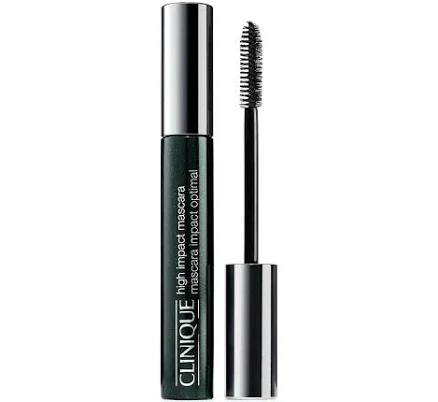
Clinique High Impact Mascara
Skip until Clinique discloses waterproof chemistry.
This waterproof mascara formula typically relies on PFAS-based film-formers to repel water. Clinique offers no PFAS disclosure or third-party verification.
The better-graded swap
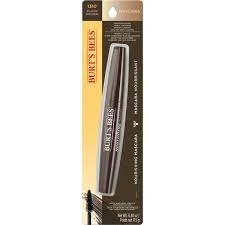
Burt's Bees
Burt's Bees 100% Natural Nourishing Mascara, Black Brown
75/100 safety
Same rubric that flunked this product. The swap earned Excellent.
Still want this one anyway? Check the price on Amazon. We’d swap it.
Material
wax, film-formers, polymers (waterproofing agents unspecified)
Lab data
No public lab test
You may also be interested in
Top-graded picks in the categories readers replace first, every one scored on the same rubric.

- polypropylene filter housing, carbon/sediment cartridge
- We found no PFAS statement from the brand
- Bacterial growth in spent cartridges
3 hazards checked on this product, all on its full breakdown.

Aquasure
Premier Series 75 GPD Under Sink Reverse Osmosis Water Filtration System
- RO membrane, carbon filters, stainless steel housing
- We found no PFAS statement from the brand
- Bacterial and microbial growth in housing and filters
4 hazards checked on this product, all on its full breakdown.

Avocado
Vegan Mattress
- organic cotton, natural latex, coconut coir, recycled steel coils
- The brand calls it PFAS-free, which we have not verified
- Heavy metals
2 hazards checked on this product, all on its full breakdown.
What Clinique High Impact Mascara is made of, ingredients and materials
Clinique High Impact Mascara uses wax, film-forming polymers, and unspecified waterproofing agents typical of waterproof formulations. The waterproofing mechanism in most waterproof mascaras relies on silicones or fluorinated compounds (Teflon-type coating-adjacent polymers), though Clinique has not publicly detailed which class they use. Wax-based mascaras generally pose lower volatility risks than solvent-heavy formulas, but the polymer system and any synthetic fragrance components determine overall safety profile. Without ingredient-level disclosure of the waterproof film-former, precise hazard assessment is incomplete.
What’s concerning
Category baseline
The starting point for this type of product, before anything specific to this product is counted.
No PFAS disclosure
No public statement from the brand about PFAS in this product.
Waterproof / stain-resistant treatment
Water-repellent coating treatments have historically used PFAS.
1,4-dioxane or related ether contaminants
Waterproof film-formers and emulsifiers in mascaras can harbor trace 1,4-dioxane as a manufacturing byproduct. Clinique does not publish 1,4-dioxane testing or limits, which is standard industry practice; presence is unconfirmed but possible in any wax-polymer waterproof mascara.
Fragrance allergen load
Clinique High Impact contains fragrance compounds (not individually named on typical retail labels). Mascara sits on eyelids for hours; fragrance contact dermatitis and eye irritation are documented reactions, particularly in sensitive individuals. The brand does not specify fragrance-free versions of this line.
Bacterial colonization in wet mascara
All mascara formulas, including waterproof wax-based types, are high-risk for bacterial and fungal growth when wet or left open. This is a use and storage issue, not a Clinique-specific flaw, but waterproof formulas are thicker and harder to clean from the brush, increasing contamination risk.
Polymer film accumulation and lash damage
Waterproof polymer coatings require aggressive removal; repeated incomplete removal can cause lash brittleness and loss over months. This is a wear-and-tear hazard inherent to the waterproof class, not Clinique-specific, but High Impact's heavy-coverage formula increases removal difficulty.
What’s reassuring
Heavy metals
FDA-approved colorants in mascara are heavily regulated; no recalls or contamination reports exist for Clinique mascara pigments. Risk is low but inherent to all synthetic pigmented cosmetics applied near eyes. Clinique does not provide heavy metal testing data.
Source, FDA ↗How is this PFAS grade calculated?
The brand's record and disclosure
Clinique is owned by Estee Lauder and does publish an ingredient list online, but does not voluntarily disclose PFAS presence or absence in waterproof products. The brand has not faced major public safety recalls for mascara, but has faced minor reformulations for stability. Clinique markets itself as dermatologist-tested and hypoallergenic, which relates to skin irritation rather than systemic hazards. Their silence on fluorinated waterproofing agents is consistent with industry-wide opacity on this issue.
How it compares in its category
Most waterproof mascaras (Maybelline, L'Oreal, MAC) use similar wax-polymer bases and do not disclose PFAS status. Oil-based removers are standard for this class, suggesting high film tenacity. Clinique High Impact is mid-range priced and positions itself as a hybrid performance product; competitor transparency is equally poor. Alcohol-free, fragrance-light mascaras from smaller brands (e.g., Beautycounter) explicitly avoid fluorinated compounds, making them more traceable alternatives.
If you buy it
Use dedicated oil-based or wax-dissolving makeup remover; water alone will not remove waterproof film reliably. Do not sleep in mascara; remove nightly to prevent lash brittleness and eye irritation over weeks of use. Replace mascara every 3 months or sooner if clumping or odor develops, as mascara is a high-bacterial-growth-risk product stored near eyes. Discontinue immediately if redness, swelling, or persistent itching occurs, and consult an ophthalmologist if symptoms persist.
What is not known about PFAS in this product?
- Basis
- Model estimate, 45% confidence, not a lab result
- Lab test
- None on record for this exact product
- Brand statement
- Clinique has made a specific claim
Formulations change between production runs, so check the current label. How we grade.
What are the PFAS-free alternatives to Clinique High Impact Mascara?
- Wax, pigments, natural oils (typical mascara base)
- Fragrance allergens and undisclosed sensitizers
2 hazards checked on this product, all on its full breakdown.
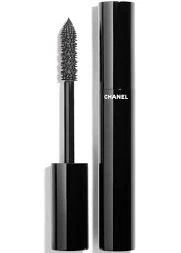
- pigments, waxes, polymers (unspecified)
- Lead
5 hazards checked on this product, all on its full breakdown.
Find an alternative on Amazon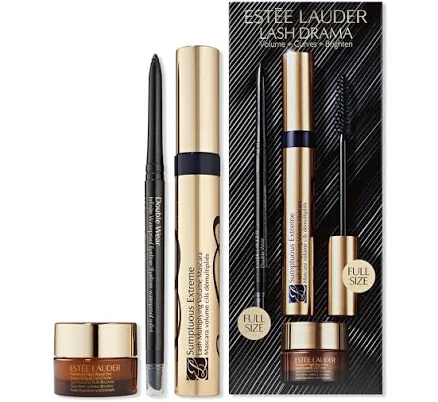
- pigments, waxes, film-formers in liquid mascara
- Heavy metals
5 hazards checked on this product, all on its full breakdown.
Find an alternative on AmazonMore waterproof mascara grades
How we score, every product runs through the same public 0-100 rubric based on materials, coatings, brand disclosure, lab findings, and recalls. See the full methodology → Spotted a mistake? Report an error.