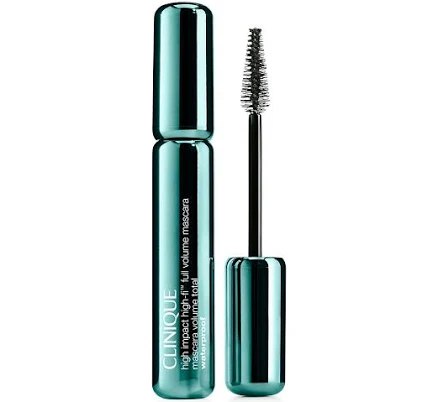
Clinique High Impact Hi-Fi Full Volume Waterproof Mascara
Waterproof cosmetics carry PFAS risk; Clinique discloses nothing.
Waterproof mascaras often use fluorinated polymers or PFAS-containing resins for durability. Clinique provides no ingredient transparency or PFAS claims for this product.
The better-graded swap
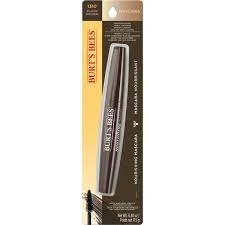
Burt's Bees
Burt's Bees 100% Natural Nourishing Mascara, Black Brown
75/100 safety
Same rubric that flunked this product. The swap earned Excellent.
Still want this one anyway? Check the price on Amazon. We’d swap it.
Material
Waterproof mascara formula with undisclosed film-forming polymers and resins
Lab data
No public lab test
You may also be interested in
Top-graded picks in the categories readers replace first, every one scored on the same rubric.

- polypropylene filter housing, carbon/sediment cartridge
- We found no PFAS statement from the brand
- Bacterial growth in spent cartridges
3 hazards checked on this product, all on its full breakdown.

Aquasure
Premier Series 75 GPD Under Sink Reverse Osmosis Water Filtration System
- RO membrane, carbon filters, stainless steel housing
- We found no PFAS statement from the brand
- Bacterial and microbial growth in housing and filters
4 hazards checked on this product, all on its full breakdown.

Avocado
Vegan Mattress
- organic cotton, natural latex, coconut coir, recycled steel coils
- The brand calls it PFAS-free, which we have not verified
- Heavy metals
2 hazards checked on this product, all on its full breakdown.
What Clinique High Impact Hi-Fi Full Mascara is made of, ingredients and materials
Waterproof mascaras rely on film-forming polymers and resins to create water resistance, typically including acrylates, silicones, or waxes. Clinique does not publicly disclose the specific polymers or resins in this formula, making independent assessment of leachable compounds difficult. The waterproofing mechanism often requires solvents and binding agents that can accumulate near the eye and lash line, a sensitive mucous membrane area. Removal typically requires solvents or oil-based cleansers, which itself signals the formula's chemical persistence.
What’s concerning
Waterproof / stain-resistant treatment
Water-repellent coating treatments have historically used PFAS.
Category baseline
The starting point for this type of product, before anything specific to this product is counted.
No PFAS disclosure
No public statement from the brand about PFAS in this product.
1,4-dioxane (solvent contaminant)
Waterproof mascara solvents and emulsifiers may contain or generate 1,4-dioxane as a byproduct; Clinique does not disclose testing for this impurity. This compound is probable human carcinogen when inhaled or absorbed systemically.
Fragrance allergens (undisclosed components)
Clinique mascaras typically contain fragrance; undisclosed fragrance components are common allergens and can trigger contact dermatitis on sensitive eyelids and conjunctiva. Specific allergen screening is not published by the brand.
Heavy metals
Black mascara pigments commonly include iron oxide or manganese, which may contain trace heavy metals depending on sourcing and refining. Clinique does not publish heavy metal testing or limits for this product; accumulation near the eye over repeated use is not quantified.
Source, FDA ↗Formaldehyde / VOCs
Waterproof mascara formulas require robust preservation systems; some preservatives release formaldehyde over time or under heat. Clinique does not specify preservative chemistry; formaldehyde release testing is not publicly disclosed.
Source, ATSDR ↗Microbial contamination risk (mascara wand)
Mascara wands are frequently touched to eyelids and eyelashes where bacteria reside; repeated contact without sterilization and the damp environment of the mascara tube create conditions for bacterial and fungal growth. Waterproof formulas with higher viscosity may inhibit or promote microbial growth differently than standard formulas; Clinique does not publish efficacy or preservation data.
How is this PFAS grade calculated?
The brand's record and disclosure
Clinique (Estée Lauder Companies) maintains a corporate stance on chemical safety but does not routinely disclose full ingredient sourcing, polymer identity, or PFAS testing results for individual products. The brand has not published a PFAS elimination commitment specific to waterproof cosmetics. Clinique does list ingredients on packaging and websites for mascara products, but polymer composition is often vague (e.g., 'acrylates copolymer' without supplier or processing detail). No recalls or safety warnings specific to this mascara are on public record.
How it compares in its category
Waterproof mascaras as a category carry higher PFAS contamination risk than non-waterproof formulas because water-resistance typically requires fluorinated compounds or other persistent chemical additives. Clinique's High Impact line is mid-to-premium positioned; comparable brands (MAC, Urban Decay, Bobbi Brown) similarly do not disclose PFAS testing. Non-waterproof mascaras or mascaras certified by third-party programs (e.g., EWG Verified, EU Ecolabel) generally carry lower documented chemical risk, though Clinique does not pursue these certifications for this product.
If you buy it
Remove mascara nightly using oil-based or alcohol-free cleansers designed for waterproof formulas; prolonged wear or incomplete removal increases risk of irritation and chemical accumulation on the eye area. Do not apply to irritated, cut, or sensitive skin. Replace every 3 months to prevent bacterial colonization and degradation of the formula. If eye irritation, redness, or swelling occurs, discontinue use and rinse thoroughly with water; persistent symptoms warrant ophthalmologic evaluation.
What is not known about PFAS in this product?
- Basis
- Model estimate, 45% confidence, not a lab result
- Lab test
- None on record for this exact product
- Brand statement
- Clinique has made a specific claim
Formulations change between production runs, so check the current label. How we grade.
What are the PFAS-free alternatives to Clinique High Impact Hi-Fi Full Volume Waterproof Mascara?
- Wax, pigments, natural oils (typical mascara base)
- Fragrance allergens and undisclosed sensitizers
2 hazards checked on this product, all on its full breakdown.
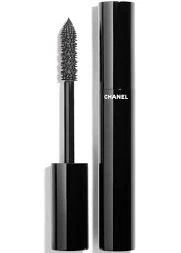
- pigments, waxes, polymers (unspecified)
- Lead
5 hazards checked on this product, all on its full breakdown.
Find an alternative on Amazon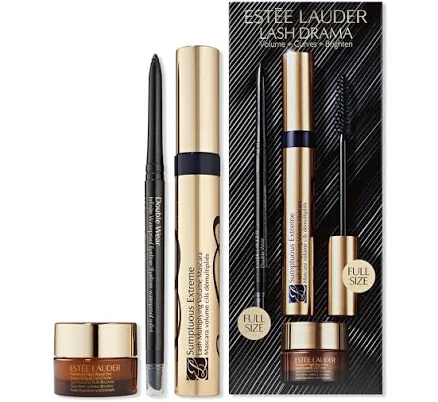
- pigments, waxes, film-formers in liquid mascara
- Heavy metals
5 hazards checked on this product, all on its full breakdown.
Find an alternative on AmazonMore waterproof mascara grades
How we score, every product runs through the same public 0-100 rubric based on materials, coatings, brand disclosure, lab findings, and recalls. See the full methodology → Spotted a mistake? Report an error.