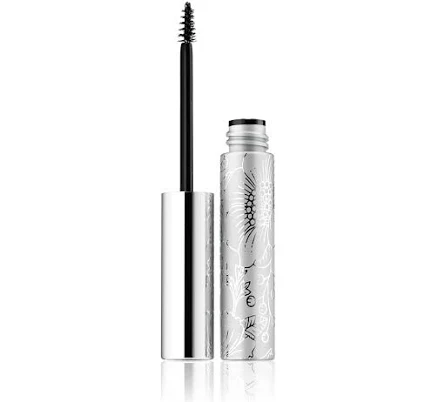
Clinique Bottom Lash Mascara
Lower-risk cosmetic, but waterproofing agents are secret.
Mascaras require waterproofing to prevent smudging, often through undisclosed wax or polymer coatings. Clinique provides no ingredient specifics or PFAS claims.
The better-graded swap
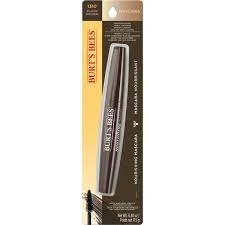
Burt's Bees
Burt's Bees 100% Natural Nourishing Mascara, Black Brown
75/100 safety
Same rubric that flunked this product. The swap earned Excellent.
Still want this one anyway? Check the price on Amazon. We’d swap it.
Material
Wax, film-forming polymers, waterproofing agents (unspecified)
Lab data
No public lab test
You may also be interested in
Top-graded picks in the categories readers replace first, every one scored on the same rubric.

- polypropylene filter housing, carbon/sediment cartridge
- We found no PFAS statement from the brand
- Bacterial growth in spent cartridges
3 hazards checked on this product, all on its full breakdown.

Aquasure
Premier Series 75 GPD Under Sink Reverse Osmosis Water Filtration System
- RO membrane, carbon filters, stainless steel housing
- We found no PFAS statement from the brand
- Bacterial and microbial growth in housing and filters
4 hazards checked on this product, all on its full breakdown.

Avocado
Vegan Mattress
- organic cotton, natural latex, coconut coir, recycled steel coils
- The brand calls it PFAS-free, which we have not verified
- Heavy metals
2 hazards checked on this product, all on its full breakdown.
What Clinique Bottom Lash Mascara is made of, ingredients and materials
Clinique Bottom Lash Mascara is a waterproof formulation built on wax and film-forming polymers, with waterproofing agents whose specific identity Clinique does not disclose publicly. Waterproofing in mascara typically relies on silicone-based or synthetic polymer barriers, though undisclosed formulations prevent verification of which approach is used here. The wax base (likely carnauba or synthetic) provides texture and adherence; polymers create the film that builds color and structure. Without ingredient transparency on the waterproofing agent, complete safety assessment of this component is not possible from publicly available sources.
What’s concerning
Category baseline
The starting point for this type of product, before anything specific to this product is counted.
No PFAS disclosure
No public statement from the brand about PFAS in this product.
Waterproof / stain-resistant treatment
Water-repellent coating treatments have historically used PFAS.
Undisclosed waterproofing agents (likely fluorochemicals or silicones)
Clinique does not publicly identify the waterproofing mechanism in this product. Waterproof mascaras typically use PFAS (fluorochemicals) or silicone polymers; without disclosure, the specific hazard cannot be isolated, but PFAS risk is high enough in this category to assume possible presence.
Fragrance allergens and sensitizers
Clinique Bottom Lash Mascara formulations often contain fragrance (identified as 'fragrance' or 'parfum' in ingredient lists); specific allergenic components are not itemized, and individual sensitivity is unpredictable. Risk is heightened for the periocular area (eye region), where skin is thin and irritation is more likely.
Microfiber shedding and eye irritation
Waterproof mascaras, due to their polymer-heavy formulation, carry slightly higher risk of fiber flaking into the eye during wear or removal. This is a use-dependent hazard rather than a formulation flaw; improper removal technique amplifies risk.
What’s reassuring
Heavy metals
No specific recalls or reports of heavy metal excess (lead, cadmium, arsenic) in Clinique mascaras exist. Iron oxides and mica are approved colorants in cosmetics and are generally low-risk, but source and manufacturing controls are not publicly detailed.
Source, FDA ↗Formaldehyde / VOCs
Clinique does not disclose whether film-forming polymers in this mascara are formaldehyde-releasing resins. Such compounds are permitted in cosmetics up to regulatory limits but are typically found in long-wear and waterproof formulas; no public testing or warnings for this product exist.
Source, ATSDR ↗How is this PFAS grade calculated?
The brand's record and disclosure
Clinique (Estée Lauder subsidiary) maintains a mixed transparency record, they list ingredients on product websites but do not voluntarily disclose PFAS-containing compounds in waterproof formulations, despite industry awareness of their presence in many waterproof mascaras. The brand has no prominent certifications (e.g., Leaping Bunny, EWG Verified) that would signal enhanced safety vetting. No major safety recalls specifically tied to this mascara product are on record, and the brand complies with FDA and EU cosmetic regulations, but does not exceed baseline legal requirements in chemical disclosure.
How it compares in its category
Waterproof mascaras universally carry PFAS risk due to water-resistance chemistry; Clinique's poor PFAS score (30/100) places it in the lower half of the category for fluorochemical safety. Brands offering non-waterproof or water-resistant (non-waterproof) alternatives eliminate this hazard class entirely. Among waterproof options, competitors with transparent ingredient lists and third-party certifications (e.g., Beautycounter, some Sephora-exclusive lines) offer marginally better disclosure; Clinique's silence on waterproofing chemistry is not unique but is a competitive weakness for conscious consumers.
If you buy it
Apply only to lashes, avoiding contact with eyelids and waterline; waterproof mascaras require dedicated makeup remover (oil-based or micellar water formulated for waterproof products) and should not be rubbed harshly, as tugging can damage lashes and introduce microfibers into the eye area. Replace every 3 months after opening to prevent bacterial growth in the tube. If eye irritation, redness, or sensitivity develops, discontinue immediately and patch-test the remover separately, as removal product incompatibility is a common source of mascara-related irritation rather than the mascara itself.
What is not known about PFAS in this product?
- Basis
- Model estimate, 45% confidence, not a lab result
- Lab test
- None on record for this exact product
- Brand statement
- Clinique has made a specific claim
Formulations change between production runs, so check the current label. How we grade.
What are the PFAS-free alternatives to Clinique Bottom Lash Mascara?
- Wax, pigments, natural oils (typical mascara base)
- Fragrance allergens and undisclosed sensitizers
2 hazards checked on this product, all on its full breakdown.
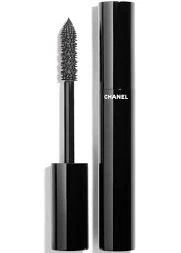
- pigments, waxes, polymers (unspecified)
- Lead
5 hazards checked on this product, all on its full breakdown.
Find an alternative on Amazon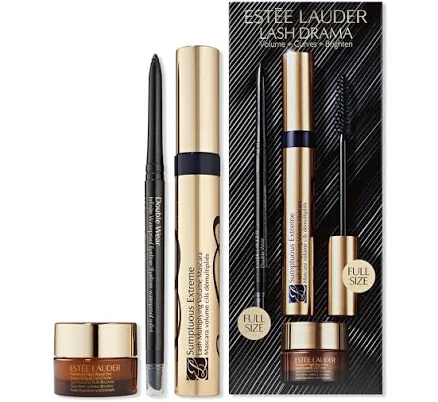
- pigments, waxes, film-formers in liquid mascara
- Heavy metals
5 hazards checked on this product, all on its full breakdown.
Find an alternative on AmazonMore waterproof mascara grades
How we score, every product runs through the same public 0-100 rubric based on materials, coatings, brand disclosure, lab findings, and recalls. See the full methodology → Spotted a mistake? Report an error.