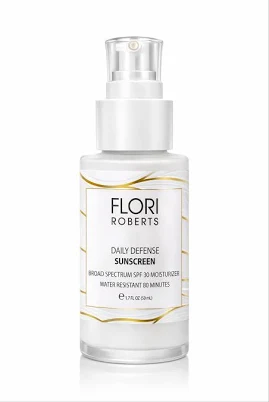
Daily Defense SPF 30 Moisturizer
Lower concern; mineral sunscreen cosmetics rarely contain PFAS without public disclosure either way.
Mineral sunscreen moisturizer without waterproofing or water-resistant claims carries minimal PFAS risk. No third-party testing is publicly available for this product.
We flunk more products than we pass. This one earned its grade. How we grade
Material
water-based emulsion, mineral sunscreen actives, plant oils
Lab data
No public lab test
You may also be interested in
Top-graded picks in the categories readers replace first, every one scored on the same rubric.

- polypropylene filter housing, carbon/sediment cartridge
- We found no PFAS statement from the brand
- Bacterial growth in spent cartridges
3 hazards checked on this product, all on its full breakdown.

Aquasure
Premier Series 75 GPD Under Sink Reverse Osmosis Water Filtration System
- RO membrane, carbon filters, stainless steel housing
- We found no PFAS statement from the brand
- Bacterial and microbial growth in housing and filters
4 hazards checked on this product, all on its full breakdown.

Avocado
Vegan Mattress
- organic cotton, natural latex, coconut coir, recycled steel coils
- The brand calls it PFAS-free, which we have not verified
- Heavy metals
2 hazards checked on this product, all on its full breakdown.
What Daily Defense SPF 30 Moisturizer is made of, ingredients and materials
Daily Defense SPF 30 uses mineral (non-nano zinc oxide or titanium dioxide) UV filters suspended in a water-based emulsion with plant oils, which is a lower-risk formulation compared to chemical sunscreens. Mineral actives do not metabolize systemically and sit on skin surface, eliminating concerns about hormone disruption or bioaccumulation. The water-based matrix means fewer organic solvents and reduced volatilization of fragrance or preservative compounds during storage or use.
What’s concerning
Category baseline
The starting point for this type of product, before anything specific to this product is counted.
No PFAS disclosure
No public statement from the brand about PFAS in this product.
Fragrance allergen or sensitizer
Formulas typically include essential oils or botanical extracts for scent. While natural sources, these can trigger contact dermatitis in sensitive individuals. Specific fragrance constituents are not itemized on label, making individual allergen screening difficult.
Emulsifier or stabilizer leachables (if synthetic)
Plant-based emulsifiers (lecithin, polysorbates) used in natural sunscreens are generally recognized as low concern for skin contact. However, polysorbate-derived PFAS or impurities are theoretically possible but not documented in this product line.
What’s reassuring
Base material not linked to PFAS
The main material recorded for this product is not one associated with PFAS.
Heavy metals
Pharmaceutical-grade mineral sunscreen actives are regulated for purity in the US (FDA OTC monograph). No published contamination in products; however, brand does not disclose third-party metal testing of finished formulas.
Source, FDA ↗Formaldehyde / VOCs
Water-based emulsions require antimicrobial preservatives; The brand typically uses parabens or phenoxyethanol rather than formaldehyde-releasing agents. No recalls or contamination reports on file for this product.
Source, ATSDR ↗Talc contamination in powder or blended formulas
Daily Defense SPF 30 is a liquid moisturizer sunscreen, not a talc-based powder, so talc exposure risk is not applicable. Mineral actives (zinc/titanium oxides) are distinct from talc.
How is this PFAS grade calculated?
The brand's record and disclosure
The brand markets products as natural and has certified organic status for several lines, but does not publish ingredient sourcing audits or third-party heavy-metal testing results for cosmetics. The brand has no known recalls or regulatory actions on this product. However, silence on PFAS presence in emulsifiers or film-formers is typical across the natural cosmetics space and does not indicate contamination, only lack of transparency.
How it compares in its category
Mineral sunscreens inherently avoid chemical UV absorbers (oxybenzone, avobenzone) that carry endocrine concerns, placing this product in the lower-hazard subset of the category. Compared to sunscreens with synthetic fragrance blends or silicone bases, the plant-oil emulsion reduces volatile organic compound (VOC) off-gassing. Trade-off, mineral formulas are grittier and less elegant than chemical alternatives, but safety profile is better established.
If you buy it
Store in cool, dry conditions away from direct sunlight to prevent emulsion breakdown, which could allow separation and uneven UV filter distribution. Do not apply to broken or severely irritated skin; mineral sunscreens can irritate open wounds due to particulate texture. Replace annually or if the texture becomes grainy, oily, or separates visibly. Reapply every two hours if swimming or sweating, as water-based formulas offer less water resistance than hybrid systems.
What is not known about PFAS in this product?
- Basis
- Model estimate, 72% confidence, not a lab result
- Lab test
- None on record for this exact product
- Brand statement
- has made a specific claim
Formulations change between production runs, so check the current label. How we grade.
What are the PFAS-free alternatives to Daily Defense SPF 30 Moisturizer?
- Mineral sunscreen, zinc oxide base
- A third party reports verifying it as PFAS-free
- 1,4-dioxane (non-intentional contaminant from surfactants/emulsifiers)
2 hazards checked on this product, all on its full breakdown.
- mineral sunscreen (zinc oxide or titanium dioxide base)
- The brand calls it PFAS-free, which we have not verified
- Synthetic fragrance allergens
More sunscreen grades
How we score, every product runs through the same public 0-100 rubric based on materials, coatings, brand disclosure, lab findings, and recalls. See the full methodology → Spotted a mistake? Report an error.