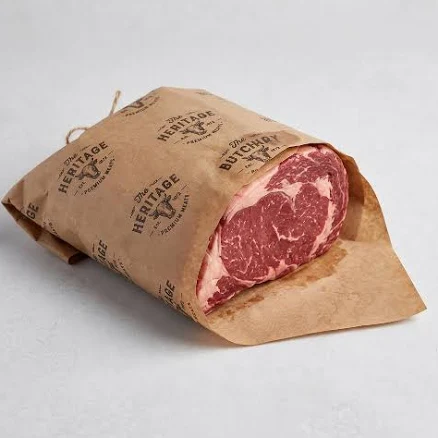
· Deli Meat & Cold Cuts Packaging
Bulk Butcher Paper for Meat Industry Supply
Skip until manufacturer discloses coating chemistry.
The brand's grease-resistant coating is standard in food packaging, but their ingredient transparency is absent. No public PFAS disclosure, testing data, or third-party verification exists.
The better-graded swap
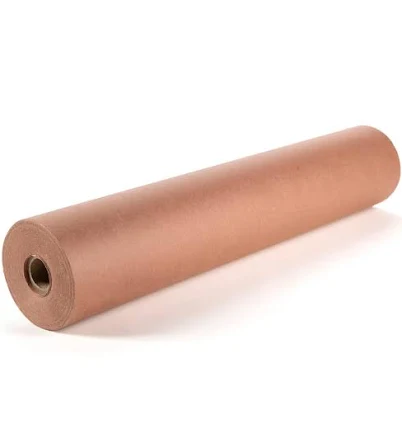
IDL Packaging
Idl Packaging White Butcher Paper 18" x 12000" Natural Butcher Paper Roll for Meat and Fish
95/100 safety
Same rubric that flunked this product. The swap earned Excellent.
Still want this one anyway? Check the price on Amazon. We’d swap it.
Material
Kraft paper with grease-resistant coating, composition unspecified
Brand disclosure
Brand is silent on PFAS
Lab data
No public lab test
You may also be interested in
Top-graded picks in the categories readers replace first, every one scored on the same rubric.

- polypropylene filter housing, carbon/sediment cartridge
- We found no PFAS statement from the brand
- Bacterial growth in spent cartridges
3 hazards checked on this product, all on its full breakdown.

Aquasure
Premier Series 75 GPD Under Sink Reverse Osmosis Water Filtration System
- RO membrane, carbon filters, stainless steel housing
- We found no PFAS statement from the brand
- Bacterial and microbial growth in housing and filters
4 hazards checked on this product, all on its full breakdown.

Avocado
Vegan Mattress
- organic cotton, natural latex, coconut coir, recycled steel coils
- The brand calls it PFAS-free, which we have not verified
- Heavy metals
2 hazards checked on this product, all on its full breakdown.
What Bulk Butcher Paper Industry Supply is made of, ingredients and materials
The brand's product is kraft paper (cellulose fibers bonded under heat and pressure) with an added grease-resistant coating whose chemistry is not disclosed on packaging or standard vendor specs. Grease barriers in food-contact paper are typically achieved via wax, silicone, or fluorinated compounds (PFAS); the coating determines whether this paper migrates harmful substances into fatty meats during storage or transport. Without manufacturer transparency on coating identity, you cannot rule out PFAS or other chemical additives.
What’s concerning
Category baseline
The starting point for this type of product, before anything specific to this product is counted.
No PFAS disclosure
No public statement from the brand about PFAS in this product.
Waterproof / stain-resistant treatment
Water-repellent coating treatments have historically used PFAS.
PFAS
Fluorinated coatings (Teflon-type coating or PFOA-class compounds) are a known choice for grease barriers in food-contact paper; without disclosure, presence cannot be ruled out. Migration into fatty meat is documented in scientific literature for some coated papers.
Source, ATSDR ↗Non-fluorinated coating leachables (unknown identity)
If coating is silicone, wax, or proprietary blend, absence of ingredient transparency means potential additives (plasticizers, pigments, adhesives) cannot be assessed; kraft paper itself is low-risk but the barrier layer is the concern.
What’s reassuring
Microplastics
No recalls or reports of paper shedding particles into meat; kraft paper is stable under normal cold storage. Risk is low if coating is intact.
Source, EPA ↗Ink or printing contaminants
Bulk rolls often carry minimal printing (brand/size only); if printed side contacts meat, food-grade inks are standard in the US and EU, but not verified for this brand.
Formaldehyde / VOCs
Kraft paper manufacture does not require formaldehyde resins; risk is low. Coatings may off-gas slightly if stored in warm conditions, but direct food contact is minimal.
Source, ATSDR ↗How is this PFAS grade calculated?
The brand's record and disclosure
The brand maintains no publicly documented PFAS disclosure policy or third-party food-safety certifications (NSF, FDA premarket approval letters) in available records. The brand does not appear to publish material safety data sheets (MSDS) for this bulk product or communicate coating chemistry to customers. This silence is a red flag in an industry where competitors increasingly market PFAS-free or certified-safe alternatives.
How it compares in its category
Bulk kraft butcher paper is a commodity; competing products from Uline, WebstaurantStore, and regional suppliers increasingly carry explicit 'PFAS-free' or 'compostable' claims. Some manufacturers now use silicone or wax coatings with third-party verification. The brand's lack of differentiation and silent stance places it below market leaders in transparency, though price point may be competitive.
If you buy it
Contact the vendor directly to request coating composition (wax, silicone, or fluorinated) and ask if they have PFAS testing or certifications; many will provide MSDS if pressed. Use the paper for cold storage and short-term wrapping (under 2 weeks); avoid prolonged contact with high-fat cuts or heated environments. Replace rolls that show visible tears, discoloration, or odor. Store in cool, dry conditions to prevent degradation and potential coating leaching.
What is not known about PFAS in this product?
- Basis
- Model estimate, 35% confidence, not a lab result
- Lab test
- None on record for this exact product
- Brand statement
- has made none
Formulations change between production runs, so check the current label. How we grade.
What are the PFAS-free alternatives to Bulk Butcher Paper for Meat Industry Supply?
IDL Packaging
White Butcher Paper 18" x 12000" Natural Butcher Paper Roll for Meat and Fish
- natural kraft butcher paper, no coating specified
- The brand calls it PFAS-free, which we have not verified
- Bleach residue and chlorine compounds
2 hazards checked on this product, all on its full breakdown.
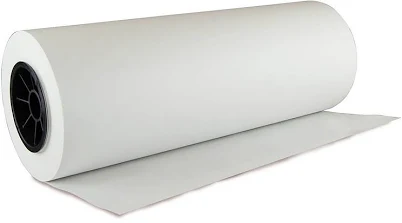
- stainless steel blade, bare metal construction
- We found no PFAS statement from the brand
- Blade degradation and metal particle shedding
2 hazards checked on this product, all on its full breakdown.
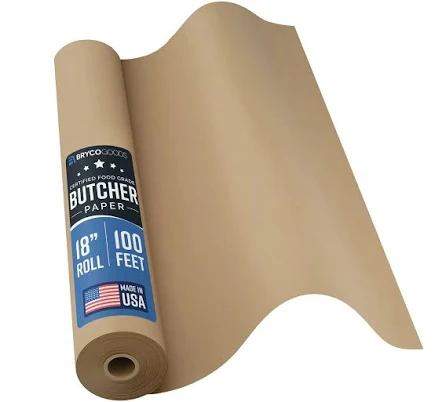
- kraft paper, unbleached cellulose
- We found no PFAS statement from the brand
- Heavy metals
2 hazards checked on this product, all on its full breakdown.
More deli meat & cold cuts packaging grades
How we score, every product runs through the same public 0-100 rubric based on materials, coatings, brand disclosure, lab findings, and recalls. See the full methodology → Spotted a mistake? Report an error.