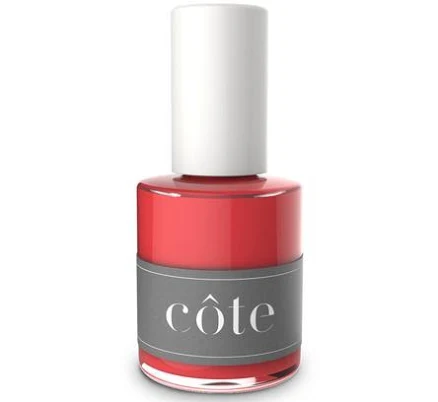
Côte 10-Free Nail Polish
Avoid until brand clarifies PFAS status; silence on forever chemicals is concerning.
This 10-Free formula excludes ten common toxic chemicals but makes no public PFAS claim. Nail polish can contain PFAS in colorants, resins, or film-forming agents, yet the brand discloses nothing.
The better-graded swap
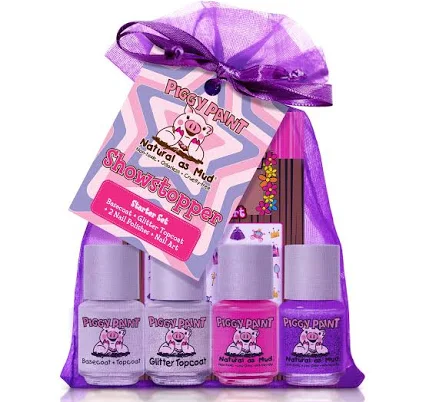
Piggy Paint
Piggy Paint Showstopper Nail Polish Set
100/100 safety
Same rubric that flunked this product. The swap earned Excellent.
Still want this one anyway? Check the price on Amazon. We’d swap it.
Material
Organic pigments, resins, solvents in nail lacquer base
Lab data
No public lab test
Is Côte 10-Free Nail Polish non-toxic? What it is made of
Côte 10-Free Nail Polish uses organic pigments, film-forming resins, and a solvent base formulated to exclude ten commonly problematic chemicals (typically dibutyl phthalate, toluene, formaldehyde, and similar volatiles). The 'free' claim targets respiratory and neurological irritants that evaporate during application and drying. However, nail polish still contains volatile organic compounds (VOCs) by its nature as a lacquer; 'free' formulations remove specific solvents but do not eliminate all off-gassing or inhalation risk.
What’s concerning
Category baseline
The starting point for this type of product, before anything specific to this product is counted.
No PFAS disclosure
No public statement from the brand about PFAS in this product.
Volatile Organic Compounds (VOCs) and respiratory irritation
Even 10-Free formulations contain solvents (e.g., ethyl acetate, butyl acetate, xylene alternatives) necessary for application and film formation; removal of specific solvents reduces but does not eliminate inhalation exposure or headache/dizziness risk, especially with poor ventilation.
Formaldehyde / VOCs
Côte markets itself as formaldehyde-free, but public ingredient lists are not readily available; if the claim is accurate, this hazard is mitigated, but independent verification is not on record.
Source, ATSDR ↗Fragrance allergen exposure
Nail polish typically contains undisclosed fragrance compounds to mask solvent odor; 'clean' brands may use natural or synthetic fragrances, but specific allergen data for Côte polish is not published; individuals with fragrance sensitivity should request a full ingredient list.
PFAS
The brand's silence on PFAS in a long-wear, water-resistant formula is concerning; fluorinated compounds are not ruled out by the '10-Free' claim and may be present in topcoat or pigment suspension to improve durability. Explicit PFAS disclosure is absent.
Source, ATSDR ↗What’s reassuring
Base material not linked to PFAS
The main material recorded for this product is not one associated with PFAS.
Heavy metals
Organic pigments (coal-tar or synthetic azo dyes) carry lower inherent heavy metal contamination risk than inorganic iron oxides or cadmium pigments, but regulatory testing specific to Côte products is not publicly documented; cosmetic pigment contamination is rare in developed markets.
Source, FDA ↗The full breakdown
The brand's record and disclosure
Côte markets the 10-Free formulation as a safety-conscious positioning but has made no public statements about PFAS (PFAS "forever chemicals") use in the polish or packaging. The brand does not appear to have third-party certification (such as Cradle to Cradle or strict EU cosmetic compliance seals) on record. Silence on PFAS in a premium nail polish brand is notable, as water-resistant or long-wear formulations sometimes rely on fluorinated compounds to improve durability; without explicit clarification, the assumption cannot be made.
How it compares in its category
Most mainstream nail polishes still contain phthalates, toluene, and formaldehyde; Côte's 10-Free positioning places it above budget mass-market products and on par with other indie or 'clean' brands (such as Ella+Mila or Zoya). However, the nail polish category lacks mandatory PFAS disclosure, so even '5-Free' or '10-Free' labels do not guarantee absence of fluorinated water-resistant agents. Truly transparent brands in this space (e.g., some European or certified eco-brands) publish full ingredient lists and chemical sourcing; Côte does not appear to do this publicly.
If you buy it
Apply in a well-ventilated space or near an open window to minimize inhalation of residual VOCs, even in a reformulated product. Avoid prolonged skin contact with wet polish; the organic pigments and resins are not classified as skin allergens at typical concentrations, but individual sensitivity to fragrances or resins varies. Replace polish every 12-18 months if stored at room temperature to prevent thickening, evaporation imbalance, or separation. If you experience headaches, dizziness, or respiratory irritation during application, discontinue use and consult the brand for a full ingredient disclosure.
What we don’t know
- Basis
- Model estimate, 35% confidence, not a lab result
- Lab test
- None on record for this exact product
- Brand statement
- Côte has made a specific claim
Formulations change between production runs, so check the current label. How we grade.
Better-graded alternatives in Nail Polish & Top Coat
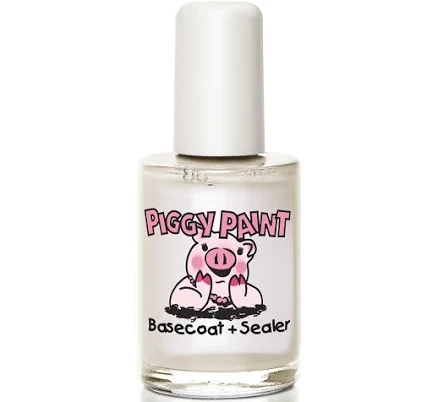
Piggy Paint
Basecoat & Sealer Nail Polish
- Water-based organic pigments and plant-derived resins
- The brand calls it PFAS-free, which we have not verified
- Heavy metals
3 hazards checked on this product. See all of them.
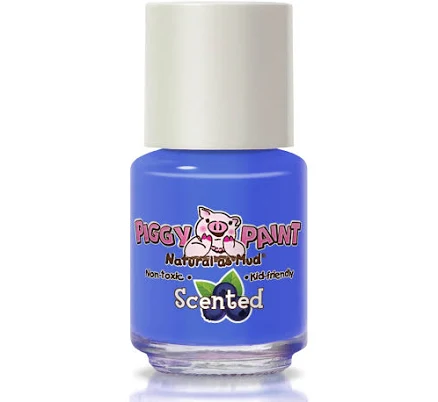
Piggy Paint
Nail Polish Piggy Paint
- water-based pigmented lacquer
- The brand calls it PFAS-free, which we have not verified
- Volatile organic compounds (VOCs) from resins and solvents
3 hazards checked on this product. See all of them.
Piggy Paint
Showstopper Nail Polish Set
- organic pigments, plant-based resins, water-based lacquer
- The brand calls it PFAS-free, which we have not verified
- Volatile organic compounds (VOCs)
2 hazards checked on this product. See all of them.
More nail polish & top coat grades
How we score, every product runs through the same public 0-100 rubric based on materials, coatings, brand disclosure, lab findings, and recalls. See the full methodology → Spotted a mistake? Report an error.