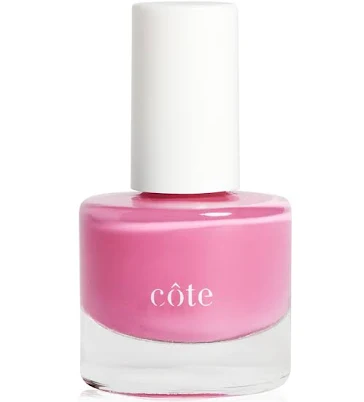
Côte Beauty Blush & Bashful Non-Toxic Nail Polish
Lower concern; standard nail polish has no known PFAS triggers, but brand offers no transparency.
Côte's Non-Toxic claim targets common harmful solvents, not PFAS specifically. Nail polish formulas rarely require water or grease-resistant treatments that would necessitate PFAS, though the brand discloses no ingredients.
We flunk more products than we pass. This one earned its grade. How we grade
Material
Organic pigments, film-forming resins (standard lacquer base)
Lab data
No public lab test
Is Côte Beauty Blush & Bashful Non-Toxic non-toxic? What it is made of
Côte Blush & Bashful uses organic pigments (synthetic colorants derived from carbon-based compounds) rather than inorganic metal-oxide pigments, which reduces lead and cadmium risk. The film-forming resin is a standard lacquer base, typically composed of nitrocellulose, plasticizers (dibutyl phthalate alternatives or similar), and resins; this chemistry is mainstream in the cosmetics industry. Organic pigments have a lower historical association with heavy metal contamination than cadmium-selenium or lead-chromate pigments common in cheaper formulas. The "non-toxic" label suggests the brand has screened for the most flagrant nail polish toxins, though this remains a marketing descriptor rather than a regulated claim.
What’s concerning
Category baseline
The starting point for this type of product, before anything specific to this product is counted.
No PFAS disclosure
No public statement from the brand about PFAS in this product.
Phthalate plasticizers
Standard nail lacquer formulas often contain phthalates (DBP, DEHP) as plasticizers to improve flexibility; Côte does not publicly disclose whether it has eliminated these or substituted alternatives like DOTP or citrates. Dermal absorption through intact skin during application is low, but fume inhalation and occupational exposure in salons remain concerns.
Volatile organic compound (VOC) emissions
All nitrocellulose-based nail lacquers release solvents (typically acetone, ethyl acetate, toluene, or xylene) during application and curing; Côte's formula composition suggests it contains these standard solvents, though the brand has not disclosed specific solvent elimination. Acute inhalation in poorly ventilated spaces can cause headache, dizziness, and respiratory irritation.
Allergic contact dermatitis from resins or colorants
Organic pigments and resin systems can trigger allergic contact dermatitis in sensitized users, particularly with repeated application or in individuals with known fragrance or chemical sensitivities. Risk is individual rather than product-specific; patch testing before regular use is prudent for sensitive skin.
What’s reassuring
Base material not linked to PFAS
The main material recorded for this product is not one associated with PFAS.
Heavy metals
Côte's stated use of organic pigments substantially reduces lead and cadmium risk compared to inorganic alternatives; no public recalls or testing failures reported for this brand.
Source, FDA ↗Formaldehyde / VOCs
Modern nail polish formulas rarely include formaldehyde directly; Côte's "non-toxic" positioning suggests awareness of this hazard class. No public record of formaldehyde contamination in Côte products.
Source, ATSDR ↗The full breakdown
The brand's record and disclosure
Côte has positioned itself in the indie/clean beauty segment and markets "non-toxic" credentials, but public disclosure of full ingredient testing or third-party certification is limited or not readily available. The brand does not appear in major controversies or recalls related to heavy metals or banned solvents in the public record. No evidence of formal certifications (e.g., VEGAN, CRUELTY-FREE badges) or partnerships with toxicology bodies has been documented, making independent verification of "non-toxic" claims difficult.
How it compares in its category
Nail polish broadly sits in a middle-hazard consumer product category; mainstream brands (OPI, Essie) and budget brands vary widely in pigment sourcing and solvent strictness. Côte's use of organic pigments places it ahead of budget formulas relying on inorganic pigments, though it does not declare whether it avoids all legacy solvents (toluene, xylene, formaldehyde). Higher-transparency brands (Ella+Mila, Zoya) publish solvent restrictions and third-party testing; Côte has not matched that disclosure standard publicly.
If you buy it
Apply in well-ventilated spaces (open window or fan) to minimize inhalation of volatile organic compounds during application and drying; nail polish fumes are transient but concentrated near the brush. Do not apply to broken or irritated skin and avoid prolonged skin contact with wet polish. Replace the bottle cap promptly after use to prevent solvent evaporation and formula degradation. Monitor nails for discoloration or brittleness after extended wear; if observed, allow nails a polish-free recovery period of 1-2 weeks.
What we don’t know
- Basis
- Model estimate, 72% confidence, not a lab result
- Lab test
- None on record for this exact product
- Brand statement
- Côte has made a specific claim
Formulations change between production runs, so check the current label. How we grade.
Better-graded alternatives in Nail Polish & Top Coat
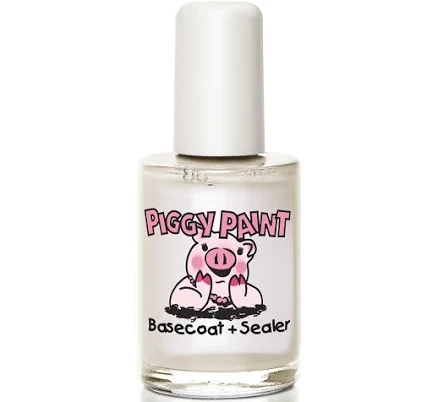
Piggy Paint
Basecoat & Sealer Nail Polish
- Water-based organic pigments and plant-derived resins
- The brand calls it PFAS-free, which we have not verified
- Heavy metals
3 hazards checked on this product. See all of them.
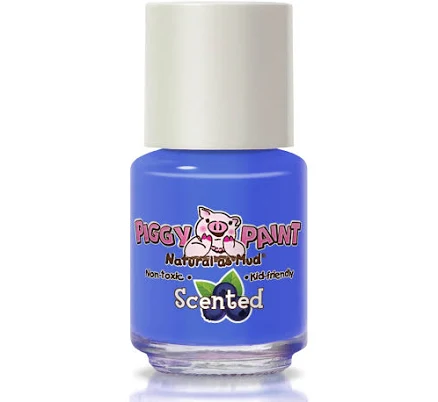
Piggy Paint
Nail Polish Piggy Paint
- water-based pigmented lacquer
- The brand calls it PFAS-free, which we have not verified
- Volatile organic compounds (VOCs) from resins and solvents
3 hazards checked on this product. See all of them.
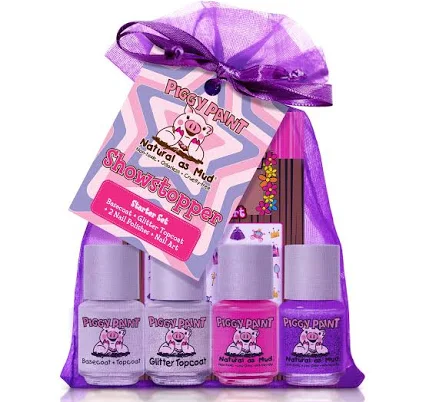
Piggy Paint
Showstopper Nail Polish Set
- organic pigments, plant-based resins, water-based lacquer
- The brand calls it PFAS-free, which we have not verified
- Volatile organic compounds (VOCs)
2 hazards checked on this product. See all of them.
More nail polish & top coat grades
How we score, every product runs through the same public 0-100 rubric based on materials, coatings, brand disclosure, lab findings, and recalls. See the full methodology → Spotted a mistake? Report an error.