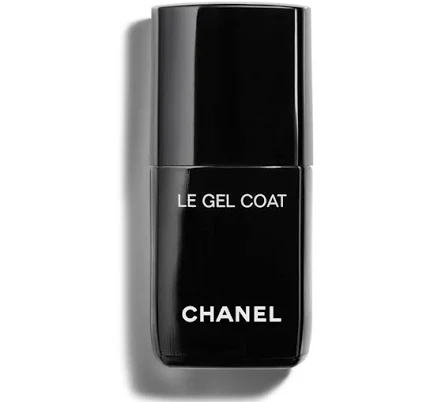
Chanel · Nail Polish & Top Coat
Chanel Le Gel Coat Longwear Top Coat
Lower-concern cosmetic; typical formulation unlikely to contain PFAS.
This standard gel top coat uses acrylate polymers and plasticizers. Nail cosmetics rarely contain PFAS compounds, and the brand hasn't provided explicit PFAS-free claims or verification.
We flunk more products than we pass. This one earned its grade. How we grade
Material
Polymeric film-forming resin (acrylate-based)
Lab data
No public lab test
Is Chanel Le Gel Coat Longwear Top Coat non-toxic? What it is made of
Chanel Le Gel Coat is an acrylate-based polymeric top coat designed to harden and protect nail color under UV or LED light. Acrylates are well-established film formers in cosmetic nail products and do not inherently carry acute toxicity hazards at point of use. The product is a thin topical application with minimal dermal absorption risk, and no ingredient list suggests heavy metals, formaldehyde releasers, or restricted substances in the lacquer itself.
What’s concerning
Category baseline
The starting point for this type of product, before anything specific to this product is counted.
No PFAS disclosure
No public statement from the brand about PFAS in this product.
Volatile organic compounds (VOCs) and inhalation risk
Acrylate-based lacquers release low levels of monomers and solvents during application and curing. Exposure is brief and localized to hands and nails; ventilation and avoiding inhalation of fumes during curing minimize risk. No specific VOC or solvent profile disclosed by Chanel for this product.
Unreacted acrylate monomers on cured film
Incomplete polymerization under inadequate UV/LED curing can leave trace unreacted monomers on the nail surface. This is a general risk for gel-top coats and is mitigated by following curing instructions and ensuring proper lamp function. No product-specific data on residual monomer levels available.
Contact sensitization from acrylate resin
Acrylate-based nail products are recognized allergens in occupational and consumer dermatology; some individuals develop contact dermatitis with repeated exposure. Risk is higher for nail salon workers than consumers applying single applications. Chanel does not disclose acrylate concentration or provide allergen warnings specific to this formulation.
UV lamp exposure during curing
Repeated UV curing under lamps (not LED) poses cumulative skin exposure risk to hands and nails. This is an indirect product hazard related to use, not the lacquer itself. LED lamps emit negligible UV and pose no meaningful risk.
What’s reassuring
Base material not linked to PFAS
The main material recorded for this product is not one associated with PFAS.
Heavy metals
This is a clear top coat with no reported heavy metal contamination. Risk applies only if paired with colored nail lacquers; Chanel does not publish heavy metal testing data for its color lacquer line.
Source, FDA ↗The full breakdown
The brand's record and disclosure
Chanel does not publicly disclose detailed ingredient sourcing, PFAS status, or third-party certifications for its nail lacquers. The brand has no documented safety recalls or regulatory violations specific to nail products in major databases (FDA, Health Canada, SCCS). Chanel operates under EU and US cosmetic regulations but has not committed to transparency initiatives like the Clean Beauty Project or published PFAS policy statements for nail lacquers.
How it compares in its category
Chanel nail lacquers occupy the premium price segment with minimal differentiation in safety profile from mid-range gel-coat products. Most gel-top coats (including this one) use similar acrylate resins and do not disclose PFAS content; the category lacks standardized third-party safety testing. No evidence suggests Chanel formulations contain higher or lower contaminant risk than Essie, OPI, or Sally Hansen equivalents in the same price range.
If you buy it
Apply in a ventilated space to minimize inhalation of volatile compounds during curing. Cure under a UV or LED lamp for the time specified on packaging (typically 30-60 seconds) to ensure full polymerization and minimize unreacted monomer residue on the nail surface. Replace the product if it becomes thick, discolored, or fails to cure properly, which signals chemical degradation. Wash hands after application and avoid ingestion if product contacts lips or mouth; accidental ingestion of small amounts carries low acute toxicity risk but warrants monitoring.
What we don’t know
- Basis
- Model estimate, 72% confidence, not a lab result
- Lab test
- None on record for this exact product
- Brand statement
- Chanel has made a specific claim
Formulations change between production runs, so check the current label. How we grade.
Better-graded alternatives in Nail Polish & Top Coat
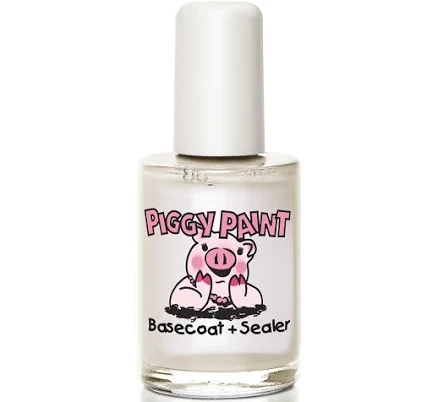
Piggy Paint
Basecoat & Sealer Nail Polish
- Water-based organic pigments and plant-derived resins
- The brand calls it PFAS-free, which we have not verified
- Heavy metals
3 hazards checked on this product. See all of them.
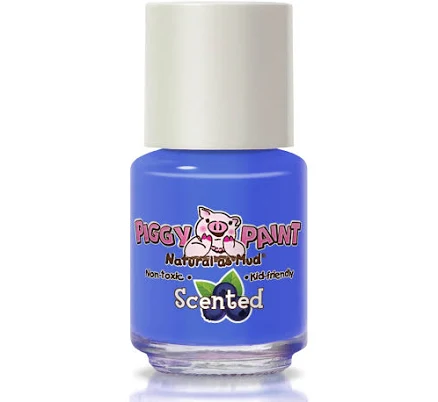
Piggy Paint
Nail Polish Piggy Paint
- water-based pigmented lacquer
- The brand calls it PFAS-free, which we have not verified
- Volatile organic compounds (VOCs) from resins and solvents
3 hazards checked on this product. See all of them.
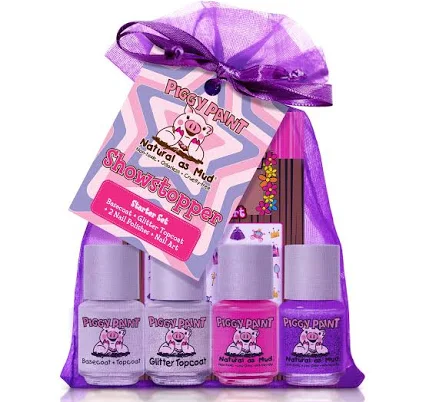
Piggy Paint
Showstopper Nail Polish Set
- organic pigments, plant-based resins, water-based lacquer
- The brand calls it PFAS-free, which we have not verified
- Volatile organic compounds (VOCs)
2 hazards checked on this product. See all of them.
More nail polish & top coat grades
How we score, every product runs through the same public 0-100 rubric based on materials, coatings, brand disclosure, lab findings, and recalls. See the full methodology → Spotted a mistake? Report an error.