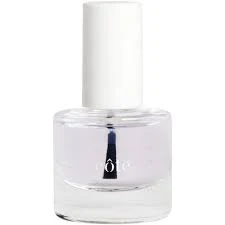
Côte Beauty Quick Dry Nail Polish Top Coat
No coating described, and no PFAS statement from the brand.
The product information we reviewed describes nail polish film, acrylates, resins and solvents, with no water-repellent coating named. Water resistance on products like this usually comes from the material and its seals rather than a surface treatment. The brand has published no PFAS statement for it.
We flunk more products than we pass. This one earned its grade. How we grade
Material
Nail polish film, acrylates, resins and solvents
Lab data
No public lab test
Is Côte Beauty Quick Dry Nail Polish Top Coat non-toxic? What it is made of
Côte Quick Dry Top Coat is a film-forming nail lacquer composed of acrylate resins, organic solvents (typically ethyl acetate, butyl acetate, or toluene), and volatile plasticizers. These solvents evaporate during application and drying, leaving a cross-linked polymer film on the nail. Acrylate-based formulas are standard in modern nail polish and do not bioaccumulate; the hazard profile depends on solvent composition and ventilation during use, not the dried coating itself.
What’s concerning
Category baseline
The starting point for this type of product, before anything specific to this product is counted.
No PFAS disclosure
No public statement from the brand about PFAS in this product.
Volatile organic compounds (VOCs) and solvent inhalation
Nail polish top coats release ethyl acetate, butyl acetate, and other solvents during application and drying. Acute inhalation at high concentration can cause dizziness, headache, or respiratory irritation; chronic occupational exposure (e.g., salon workers) is associated with neurological effects, but consumer-use exposure from intermittent home application is considered low-risk with adequate ve
Toluene and reproductive/developmental concern
Toluene is a common solvent in conventional nail polish and is not listed as excluded from Côte's formula. While the brand does not disclose a 'three-free' or higher claim, toluene may be present. Occupational and high-dose exposures are associated with neurotoxicity and reproductive effects; the relevance to low-dose consumer use remains uncertain but warrants precaution in pregnancy.
Skin sensitization from acrylates or fragrance
Uncrosslinked acrylate monomers can cause contact dermatitis in sensitive individuals; once dried, the film poses no skin risk. If Côte's formula includes fragrance compounds, some may act as allergens. No ingredient list is publicly available to assess allergen load. Individuals with known acrylate or fragrance sensitivity should perform a patch test or consult a dermatologist.
What’s reassuring
Base material not linked to PFAS
The main material recorded for this product is not one associated with PFAS.
Formaldehyde / VOCs
Nail polish resins that crosslink the film may include formaldehyde-releasing components, but independent testing of this product is not on public record. No disclosure from Côte indicates exclusion of such resins. This is a category-wide knowledge gap rather than a Côte-specific finding.
Source, ATSDR ↗Lead
Nail polish pigments and colorants may contain trace heavy metals; no testing or brand statement from Côte addresses this. The FDA does not pre-approve cosmetic colorants, and testing is not routine for nail polish. Risk is low for translucent or clear top coats such as this, as they typically contain minimal pigment.
Source, ATSDR ↗The full breakdown
The brand's record and disclosure
Côte has published no public PFAS statement and does not appear on major third-party certification databases (e.g., EWG, GreenShield). No recalls, safety violations, or ingredient controversies are on record for this product or parent brand. The lack of transparency on solvent restrictions or heavy-metal testing is typical for mass-market nail polish; absence of disclosure does not indicate a hazard, only limited consumer-facing verification.
How it compares in its category
Nail polish top coats are functionally similar across brands; Côte's formula is a conventional acrylate-solvent system common to drugstore and salon brands alike. Some competitors market 'toxic-free' or 'non-toxic' formulations excluding dibutyl phthalate (DBP), toluene, and formaldehyde, though independent verification of these claims is limited. Côte does not market such restrictions, placing it in the standard-risk category rather than a reduced-hazard subset.
If you buy it
Apply in a well-ventilated space or near an open window to minimize inhalation of volatile solvents during and immediately after application. Do not apply to children or pregnant individuals without consulting a healthcare provider, as solvent exposures in early pregnancy carry low but established concern. Store in a cool, dry place away from heat sources; if the cap is left off or formula thickens, do not thin with acetone, discard and replace. Typical shelf life for unopened polish is 2-3 years before separation or color shift occurs.
What we don’t know
- Basis
- Model estimate, 35% confidence, not a lab result
- Lab test
- None on record for this exact product
- Brand statement
- Côte has made a specific claim
Formulations change between production runs, so check the current label. How we grade.
Better-graded alternatives in Nail Polish & Top Coat
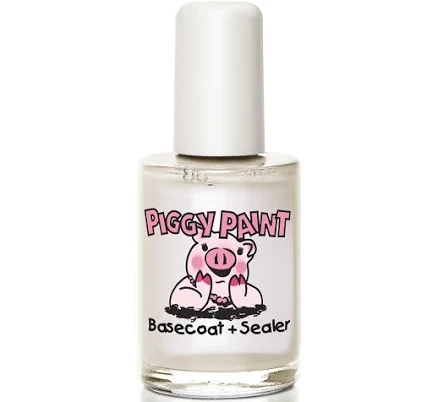
Piggy Paint
Basecoat & Sealer Nail Polish
- Water-based organic pigments and plant-derived resins
- The brand calls it PFAS-free, which we have not verified
- Heavy metals
3 hazards checked on this product. See all of them.
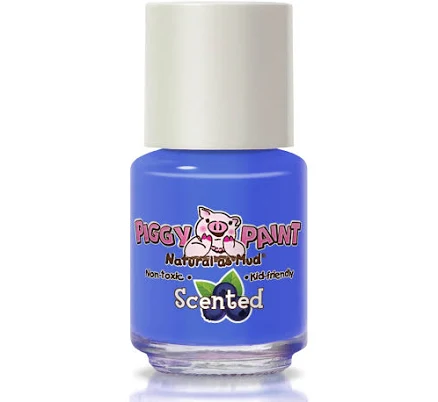
Piggy Paint
Nail Polish Piggy Paint
- water-based pigmented lacquer
- The brand calls it PFAS-free, which we have not verified
- Volatile organic compounds (VOCs) from resins and solvents
3 hazards checked on this product. See all of them.
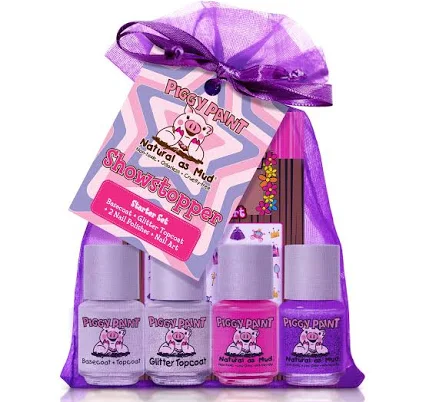
Piggy Paint
Showstopper Nail Polish Set
- organic pigments, plant-based resins, water-based lacquer
- The brand calls it PFAS-free, which we have not verified
- Volatile organic compounds (VOCs)
2 hazards checked on this product. See all of them.
More nail polish & top coat grades
How we score, every product runs through the same public 0-100 rubric based on materials, coatings, brand disclosure, lab findings, and recalls. See the full methodology → Spotted a mistake? Report an error.