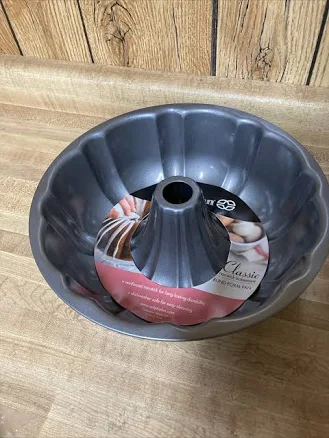
Calphalon Classic Bakeware 10-Inch Nonstick Bundt Cake Pan, Is It Non-Toxic?
High risk. Skip unless Calphalon confirms nonstick coating is Teflon-type coating-free and PFAS-free.
Calphalon doesn't publicly disclose the nonstick coating chemistry on this Bundt pan, making it impossible to rule out traditional Teflon-type coating or other Teflon-family coating.
The better-graded swap
Nordic Ware
Original Bundt Pan 12 Cup
95/100 safety
Same rubric that flunked this product. The swap earned Excellent.
Still want this one anyway? Check the price on Amazon. We’d swap it.
Material
Aluminum with nonstick coating (type unspecified)
Lab data
No public lab test
You may also be interested in
Top-graded picks in the categories readers replace first, every one scored on the same rubric.

- polypropylene filter housing, carbon/sediment cartridge
- We found no PFAS statement from the brand
- Bacterial growth in spent cartridges
3 hazards checked on this product, all on its full breakdown.

Aquasure
Premier Series 75 GPD Under Sink Reverse Osmosis Water Filtration System
- RO membrane, carbon filters, stainless steel housing
- We found no PFAS statement from the brand
- Bacterial and microbial growth in housing and filters
4 hazards checked on this product, all on its full breakdown.

Avocado
Vegan Mattress
- organic cotton, natural latex, coconut coir, recycled steel coils
- The brand calls it PFAS-free, which we have not verified
- Heavy metals
2 hazards checked on this product, all on its full breakdown.
Is Calphalon Classic Bakeware Bundt Cake Pan non-toxic? What it is made of
This pan is aluminum with a proprietary nonstick coating. Calphalon does not specify whether the coating is Teflon-type coating-based (traditional Teflon) or Teflon-type coating-free. Aluminum conducts heat well but can leach trace amounts if the coating degrades or if acidic foods are stored in it. The nonstick layer is the critical component for both performance and safety, but its composition determines whether PFAS exposure is a concern.
What’s concerning
Category baseline
The starting point for this type of product, before anything specific to this product is counted.
No PFAS disclosure
No public statement from the brand about PFAS in this product.
Non-stick, chemistry undisclosed
Marketed as non-stick without stating the coating chemistry.
Nonstick coating degradation and fume release
If this pan uses Teflon-type coating, overheating above 500F can release fumes. Even within normal baking temps (350-400F), gradual coating wear from washing or utensil scratches exposes underlying aluminum. Calphalon's lack of Teflon-type coating-free certification means exposure risk cannot be ruled out.
Aluminum leaching
Aluminum bundt pans release small quantities of aluminum ions, especially if the nonstick coating is scratched or if acidic batters (citrus, vinegar, tomato-based cakes) are baked in it. Chronic aluminum intake has been studied for links to neurodegenerative disease, though causation remains unproven; most health authorities indicate lower concern for normal cookware use.
Coating adhesion loss over time
Consumer reviews of Calphalon Classic nonstick bakeware mention flaking or peeling after 2-5 years of use, particularly in dishwashers. Once the coating compromises, both Teflon-type coating fume risk and aluminum leaching increase, and the pan should be retired.
PFAS
No test data exists for this specific product, but Calphalon's public silence on PFAS formulation for the Classic line, combined with industry prevalence of legacy Teflon-type coating coatings in budget nonstick, suggests PFAS is a credible concern. This is graded separately in PFAS analysis.
Source, ATSDR ↗What’s reassuring
Lead
No recalls or reports of heavy metal contamination in Calphalon Classic bakeware. Modern nonstick coatings do not typically contain lead or cadmium, though the hazard exists in older or imported unregulated cookware.
Source, ATSDR ↗How is this PFAS grade calculated?
The brand's record and disclosure
Calphalon (owned by Groupe SEB) has not issued public statements confirming PFAS-free formulations for their Classic line. The company does market PFAS-free options under other product lines, but silence on Classic Bakeware suggests the coating may contain legacy Teflon-type coating or related chemistry. No major safety recalls specific to this pan model are on record, but the lack of transparency is notable in an era when competitors increasingly advertise PFAS-free status.
How it compares in its category
Most traditional nonstick bundt pans in the mid-range market (Calphalon, T-fal, Circulon) still use Teflon-type coating-based coatings unless explicitly marketed otherwise. Ceramic or silicone-based bundt pans from brands like GreenPan or Caraway cost more but eliminate PFAS exposure entirely. Uncoated steel or cast-iron bundt pans avoid the coating hazard but require seasoning or oil. For budget-conscious buyers, this Calphalon pan sits in the standard nonstick category without differentiation.
If you buy it
Hand-wash only; avoid the dishwasher, which degrades nonstick coatings faster. Keep oven temperature under 400F to reduce fume risk if the coating is Teflon-type coating-based. Do not preheat empty or use it for broiling. Replace the pan if the nonstick surface visibly flakes, peels, or becomes rough. Store cakes briefly in the pan (under 24 hours) rather than as long-term food storage to minimize aluminum leaching from any coating damage.
What is not known about PFAS in this product?
- Basis
- Model estimate, 35% confidence, not a lab result
- Lab test
- None on record for this exact product
- Brand statement
- Calphalon has made a specific claim
Formulations change between production runs, so check the current label. How we grade.
What are the PFAS-free alternatives to Calphalon Classic Bakeware 10-Inch Nonstick Bundt Cake Pan?
- Cast iron with natural seasoning
- Coating degradation over time
2 hazards checked on this product, all on its full breakdown.
- Cast aluminum with non-stick coating
- Non-stick coating degradation and particle release
3 hazards checked on this product, all on its full breakdown.
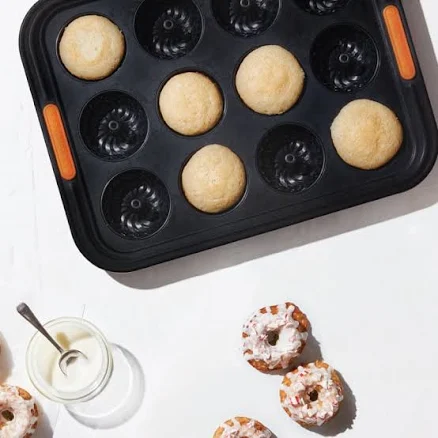
- Enameled cast iron (enamel coating over cast iron body)
- Enamel coating degradation and metal exposure
2 hazards checked on this product, all on its full breakdown.
Find an alternative on AmazonMore bundt pans grades
How we score, every product runs through the same public 0-100 rubric based on materials, coatings, brand disclosure, lab findings, and recalls. See the full methodology → Spotted a mistake? Report an error.