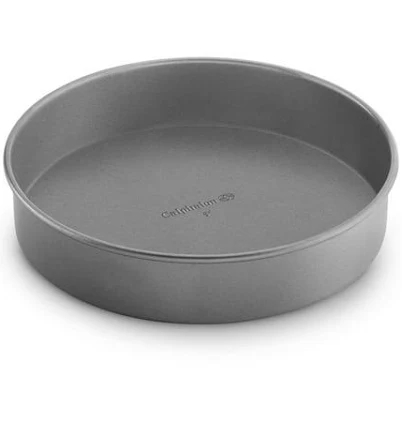
Calphalon Select Nonstick Bakeware Round Cake Pan, Is It Non-Toxic?
Avoid until Calphalon tells you what nonstick coating it uses.
Calphalon Select uses a secret nonstick formula without revealing if it contains Teflon-type coating or PFAS. You get no third-party testing or transparency about what's actually on this pan.
The better-graded swap
Nordic Ware
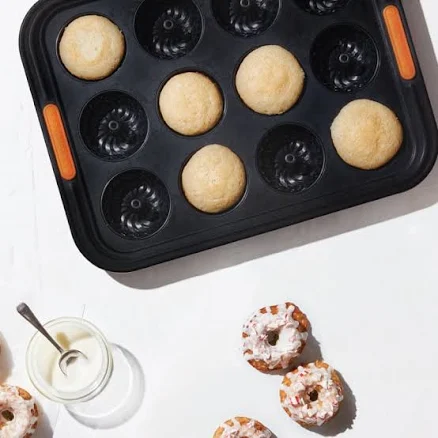
Original Bundt Pan 12 Cup
95/100 safety
Same rubric that flunked this product. The swap earned Excellent.
Still want this one anyway? Check the price on Amazon. We’d swap it.
Material
Nonstick coating (unspecified chemistry)
Lab data
No public lab test
You may also be interested in
Top-graded picks in the categories readers replace first, every one scored on the same rubric.

- polypropylene filter housing, carbon/sediment cartridge
- We found no PFAS statement from the brand
- Bacterial growth in spent cartridges
3 hazards checked on this product, all on its full breakdown.

Aquasure
Premier Series 75 GPD Under Sink Reverse Osmosis Water Filtration System
- RO membrane, carbon filters, stainless steel housing
- We found no PFAS statement from the brand
- Bacterial and microbial growth in housing and filters
4 hazards checked on this product, all on its full breakdown.

Avocado
Vegan Mattress
- organic cotton, natural latex, coconut coir, recycled steel coils
- The brand calls it PFAS-free, which we have not verified
- Heavy metals
2 hazards checked on this product, all on its full breakdown.
Is Calphalon Select Nonstick Round Cake Pan non-toxic? What it is made of
Calphalon Select nonstick bakeware uses an unspecified nonstick polymer coating applied to steel or aluminum substrate. The manufacturer does not publicly disclose whether the coating is traditional Teflon-type coating-based (Teflon-type), ceramic, or hybrid. Without this information, you cannot assess whether the product presents fume risk at high temperatures or contains intentional PFAS chemistry. The substrate material is also not clearly identified in standard product listings, which matters for potential aluminum leaching under acidic conditions.
What’s concerning
Category baseline
The starting point for this type of product, before anything specific to this product is counted.
No PFAS disclosure
No public statement from the brand about PFAS in this product.
Non-stick, chemistry undisclosed
Marketed as non-stick without stating the coating chemistry.
Teflon-type coating fume risk (thermal decomposition)
If the coating is conventional Teflon-type coating, heating above 500F can release fluorinated gas byproducts. Baking rarely exceeds 450F, but accidental preheat or broiler use could trigger risk. Without ingredient disclosure, you cannot confirm whether Teflon-type coating is actually present.
Nonstick coating degradation and ingestion
Consumer reports document flaking nonstick coatings on budget Calphalon bakeware after 1-2 years of use. Ingestion of polymer particles is unlikely to cause acute toxicity but represents a quality and safety concern. Hand-washing and avoiding metal utensils reduce this risk.
Aluminum substrate leaching
If the substrate is bare or exposed aluminum (common in this price tier), acidic foods (e.g., chocolate cakes with acidic cocoa, or fruit fillings) may leach small amounts of aluminum. Risk is low for occasional baking but cumulative with frequent use and repeated exposure to acidic batters.
PFAS
Intentional PFAS is standard in many nonstick formulations. Calphalon has not publicly committed to using nonstick coatings not linked to PFAS for budget lines. Until the manufacturer discloses coating chemistry or obtains independent PFAS testing, assume possible PFAS presence. This is the primary reason for the 'skip' recommendation unless you accept the uncertainty.
Source, ATSDR ↗What’s reassuring
Lead
Calphalon bakeware undergoes standard US FDA compliance testing; no recalls for heavy metals in glazes or coatings have been issued for this product line. However, absence of public testing data means residual risk cannot be ruled out.
Source, ATSDR ↗How is this PFAS grade calculated?
The brand's record and disclosure
Calphalon (owned by Groupe SEB) has not made public commitments to disclose PFAS content or phase out PFAS-containing coatings across its cookware lines. The brand markets 'Select' as a budget line but provides minimal technical transparency about coating composition. No third-party certifications (e.g., GOTS, Oeko-Tex, or independent PFAS testing) appear on product labels or official materials. This silence is a red flag for consumer choice, especially compared to brands that voluntarily publish coating chemistry or pursue PFAS-free alternatives.
How it compares in its category
Budget nonstick bakeware (under $20-30 USD) typically uses conventional Teflon-type coating or proprietary blends without public disclosure. Calphalon Select sits in this tier. Premium alternatives (e.g., GreenPan, Caraway, Our Place) now offer ceramic or ceramic-hybrid coatings with published PFAS-free claims. Aluminum bakeware with silicone or parchment liners avoids nonstick chemistry entirely but lacks the convenience. For baking specifically, the temperature exposure is lower than stovetop cookware, which slightly reduces fume risk if Teflon-type coating is present, but does not eliminate the concern.
If you buy it
Never preheat empty; use oven temperatures under 400-450F (manufacturer guidance is often vague). Hand-wash only; dishwasher cycles and abrasive scrubbing degrade nonstick coatings and increase leaching risk. Inspect the surface before each use; discard the pan if coating is visibly flaking, peeling, or scratched. Expect replacement every 3-5 years depending on use frequency. Line with parchment if you are concerned about coating wear, though this reduces the nonstick benefit.
What is not known about PFAS in this product?
- Basis
- Model estimate, 35% confidence, not a lab result
- Lab test
- None on record for this exact product
- Brand statement
- Calphalon has made a specific claim
Formulations change between production runs, so check the current label. How we grade.
What are the PFAS-free alternatives to Calphalon Select Nonstick Bakeware Round Cake Pan?
- Cast iron with natural seasoning
- Coating degradation over time
2 hazards checked on this product, all on its full breakdown.
- Cast aluminum with non-stick coating
- Non-stick coating degradation and particle release
3 hazards checked on this product, all on its full breakdown.
- Enameled cast iron (enamel coating over cast iron body)
- Enamel coating degradation and metal exposure
2 hazards checked on this product, all on its full breakdown.
Find an alternative on AmazonMore bundt pans grades
How we score, every product runs through the same public 0-100 rubric based on materials, coatings, brand disclosure, lab findings, and recalls. See the full methodology → Spotted a mistake? Report an error.