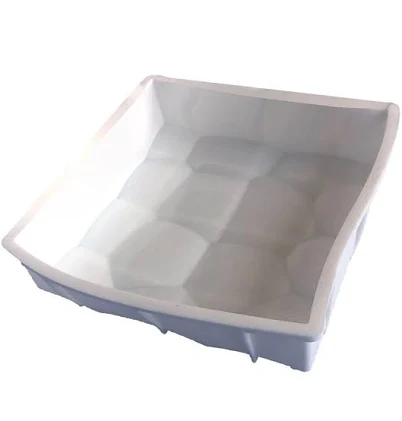
Cobblestone Pan Silicone Baking & Freezing Mold, Is It Non-Toxic?
Lower PFAS concern; silicone molds rarely contain PFAS.
Silicone baking molds don't require Teflon-family coating coatings since the material itself is non-stick. The brand makes no PFAS claim, but silicone carries minimal risk.
Still want this one anyway? Check the price on Amazon. We’d swap it.
Material
food-grade silicone
Lab data
No public lab test
You may also be interested in
Top-graded picks in the categories readers replace first, every one scored on the same rubric.

- polypropylene filter housing, carbon/sediment cartridge
- We found no PFAS statement from the brand
- Bacterial growth in spent cartridges
3 hazards checked on this product, all on its full breakdown.

Aquasure
Premier Series 75 GPD Under Sink Reverse Osmosis Water Filtration System
- RO membrane, carbon filters, stainless steel housing
- We found no PFAS statement from the brand
- Bacterial and microbial growth in housing and filters
4 hazards checked on this product, all on its full breakdown.

Avocado
Vegan Mattress
- organic cotton, natural latex, coconut coir, recycled steel coils
- The brand calls it PFAS-free, which we have not verified
- Heavy metals
2 hazards checked on this product, all on its full breakdown.
Is Cobblestone Pan Silicone Freezing Mold non-toxic? What it is made of
The Cobblestone Pan is molded from food-grade silicone, a synthetic rubber polymer that does not contain fluorine-based compounds (unlike traditional non-stick coatings). Silicone is chemically stable at normal baking temperatures (up to 400-450°F for most food-grade grades) and does not off-gas volatile organic compounds in the way some plastic or resin-coated products do. The silicone backbone is cross-linked during manufacturing, reducing migration of uncrosslinked oligomers into food under normal use.
What’s concerning
Category baseline
The starting point for this type of product, before anything specific to this product is counted.
No PFAS disclosure
No public statement from the brand about PFAS in this product.
Silicone oligomer leaching
Uncrosslinked siloxane oligomers can migrate into fatty or acidic foods, especially at temperatures above 400°F or during prolonged storage. The extent depends on the quality of the manufacturing crosslinking; food-grade silicone is designed to minimize this, but no quantitative migration data is publicly disclosed for this specific product.
Coating or surface degradation over time
Silicone molds can develop surface wear, stickiness, or brittleness with age and repeated thermal cycling. Physical damage (cuts, tears) or exposure to oils and detergents can accelerate breakdown; a compromised mold may shed small silicone fragments into batter or dough.
Bacterial or mold growth if not dried properly
Silicone's porous texture can trap moisture in folds or seams if not thoroughly dried after washing. Poor ventilation during storage can promote microbial growth; this is a maintenance issue rather than an inherent material hazard.
What’s reassuring
Base material not linked to PFAS
The main material recorded for this product is not one associated with PFAS.
Thermal runaway or burn risk
Silicone molds have low thermal conductivity compared to metal and do not conduct heat rapidly; burning risk to hands during handling is lower, but the mold itself is not a burn hazard from the material composition.
Heavy metals
No recalls or test findings on record for lead, cadmium, or azo dyes in silicone molds. Food-grade silicone is not typically pigmented with heavy-metal compounds, but third-party verification is not publicly available for this product.
Source, FDA ↗How is this PFAS grade calculated?
The brand's record and disclosure
The brand is owned by Groupe SEB and has not made public commitments specific to PFAS reduction in silicone product lines, though it has addressed PFAS in non-stick cookware contexts. The company has not published third-party testing data for silicone mold leaching in publicly available statements. No major recalls or safety controversies are documented for this specific product or silicone mold category from the brand.
How it compares in its category
Silicone baking molds have lower concern than PVC or vinyl molds because they are not a material linked to phthalate plasticizers or PFAS-based release agents. Compared to rigid non-stick metal pans (which may have Teflon-type coating or ceramic coatings), silicone molds eliminate coating degradation and fume inhalation risk. Most food-grade silicone molds from established brands perform similarly; this product is mid-market and not differentiated by proprietary safety features.
If you buy it
Hand wash or use the top rack of the dishwasher; avoid abrasive scouring pads that can degrade the silicone surface. Do not exceed 450°F oven temperature, and do not use over an open flame or broiler. Inspect the mold every 1-2 years for tears, cracks, or sticky residue buildup; replace if the surface loses integrity or becomes tacky, as this may indicate breakdown of the silicone polymer. Store in a cool, dry place away from direct sunlight, which can cause slow degradation over many years.
What is not known about PFAS in this product?
- Basis
- Model estimate, 82% confidence, not a lab result
- Lab test
- None on record for this exact product
- Brand statement
- has made a specific claim
Formulations change between production runs, so check the current label. How we grade.
More silicone baking molds grades
How we score, every product runs through the same public 0-100 rubric based on materials, coatings, brand disclosure, lab findings, and recalls. See the full methodology → Spotted a mistake? Report an error.