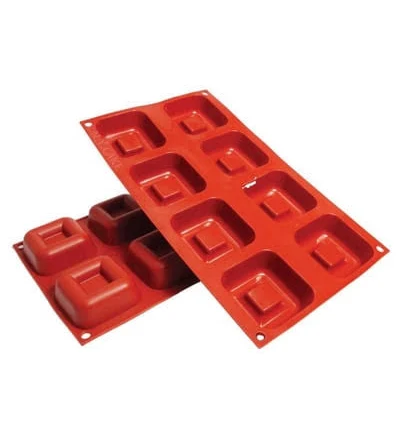
Square Savarin Silicone Baking Mold, Is It Non-Toxic?
Lower concern. Food-grade silicone material is not linked to PFAS.
This baking mold is made from food-grade silicone, a material not associated with PFAS. No water-repellent finish or nonstick coating is on record. The brand has no PFAS statement on record for this product.
Still want this one anyway? Check the price on Amazon. We’d swap it.
Material
Food-grade silicone
Lab data
No public lab test
You may also be interested in
Top-graded picks in the categories readers replace first, every one scored on the same rubric.

- polypropylene filter housing, carbon/sediment cartridge
- We found no PFAS statement from the brand
- Bacterial growth in spent cartridges
3 hazards checked on this product, all on its full breakdown.

Aquasure
Premier Series 75 GPD Under Sink Reverse Osmosis Water Filtration System
- RO membrane, carbon filters, stainless steel housing
- We found no PFAS statement from the brand
- Bacterial and microbial growth in housing and filters
4 hazards checked on this product, all on its full breakdown.

Avocado
Vegan Mattress
- organic cotton, natural latex, coconut coir, recycled steel coils
- The brand calls it PFAS-free, which we have not verified
- Heavy metals
2 hazards checked on this product, all on its full breakdown.
Is Square Savarin Silicone Baking Mold non-toxic? What it is made of
The brand's Square Savarin mold is constructed from food-grade silicone, a synthetic polymer that does not contain BPA, phthalates, or other plasticizers commonly found in plastic bakeware. Silicone resists temperature swings (typically -40°F to 500°F), does not leach monomers when heated, and remains chemically inert during normal baking use. Unlike traditional non-stick cookware coatings (Teflon-type coating/Teflon-type coating analogs), silicone is not applied as a thin degradable layer but is the base material itself, eliminating peeling and fume risks.
What’s concerning
No PFAS disclosure
No public statement from the brand about PFAS in this product.
Category baseline
The starting point for this type of product, before anything specific to this product is counted.
Degradation and brittleness over time
Silicone can lose flexibility and develop cracks after prolonged exposure to heat, UV light, or repeated thermal cycling. The brand does not publish expected product lifespan; visible damage is the trigger for replacement.
Mold and bacterial colonization
Silicone's porous surface can trap moisture and food residue if not cleaned thoroughly or dried completely between uses, creating conditions for microbial growth. This is a maintenance issue, not an inherent material hazard.
Odor and flavor absorption
Silicone is known to absorb and retain strong odors and flavors (e.g., garlic, fish, turmeric) that may transfer to subsequent baked goods. This is a sensory issue rather than a toxicological hazard but can affect usability.
What’s reassuring
Base material not linked to PFAS
The main material recorded for this product is not one associated with PFAS.
Silicone polymer leaching (oligomers/breakdown products)
Food-grade silicone is chemically inert at normal baking temperatures and has not been documented to release harmful monomers or oligomers into food. No recalls or safety studies show leaching from silicone molds specifically.
Colorant or filler contaminants in silicone formulation
No reports of heavy metals, azo dyes, or other toxic additives in silicone baking molds. Food-grade silicone typically meets FDA CFR 177.2600; The brand does not disclose batch testing or third-party verification.
How is this PFAS grade calculated?
The brand's record and disclosure
The brand does not publicly disclose PFAS testing data or comprehensive safety certifications for this product line. The brand maintains a general 'food-grade' claim but offers no third-party lab reports. No recalls or established safety complaints are on record for silicone baking molds. The parent company (Groupe SEB) has not published a formal PFAS elimination commitment for kitchen silicone products.
How it compares in its category
Silicone baking molds are associated with lower concern for Teflon-type coating fume risk and metal-based leaching compared to ceramic-coated or anodized aluminum molds. They underperform traditional metal molds in heat conductivity (slower, more even browning trade-off) but eliminate chemical-release hazards. Direct competitors (OXO, KitchenAid silicone molds) have similar material profiles and lack public safety disclosures.
If you buy it
Hand wash after each use or use gentle dishwasher cycles (silicone can retain odors and faint staining if exposed to bold flavors or high heat on repeat). Do not exceed 500°F; verify oven compatibility at your intended temperature. Silicone does not degrade rapidly, but inspect for cracks, discoloration, or sticky residue every 1-2 years; discard if structural integrity is compromised. Store away from direct sunlight to slow any long-term polymer aging.
What is not known about PFAS in this product?
- Basis
- Model estimate, 82% confidence, not a lab result
- Lab test
- None on record for this exact product
- Brand statement
- has made a specific claim
Formulations change between production runs, so check the current label. How we grade.
More silicone baking molds grades
How we score, every product runs through the same public 0-100 rubric based on materials, coatings, brand disclosure, lab findings, and recalls. See the full methodology → Spotted a mistake? Report an error.