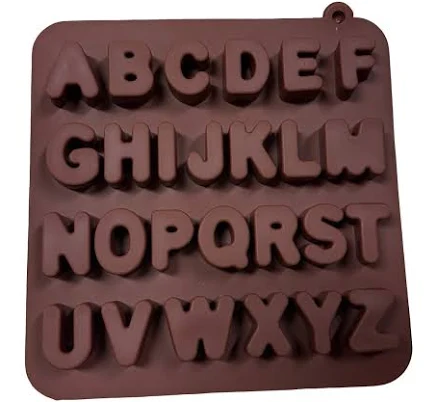
Silicone Baking Mold (Alphabet), Is It Non-Toxic?
Lower concern. Silicone baking molds rarely contain PFAS.
Food-grade silicone doesn't need Teflon-family coating coatings to work. Doesn't claim PFAS-free status, but standard silicone presents minimal forever chemical risk.
Still want this one anyway? Check the price on Amazon. We’d swap it.
Material
Silicone (food-grade)
Lab data
No public lab test
You may also be interested in
Top-graded picks in the categories readers replace first, every one scored on the same rubric.

- polypropylene filter housing, carbon/sediment cartridge
- We found no PFAS statement from the brand
- Bacterial growth in spent cartridges
3 hazards checked on this product, all on its full breakdown.

Aquasure
Premier Series 75 GPD Under Sink Reverse Osmosis Water Filtration System
- RO membrane, carbon filters, stainless steel housing
- We found no PFAS statement from the brand
- Bacterial and microbial growth in housing and filters
4 hazards checked on this product, all on its full breakdown.

Avocado
Vegan Mattress
- organic cotton, natural latex, coconut coir, recycled steel coils
- The brand calls it PFAS-free, which we have not verified
- Heavy metals
2 hazards checked on this product, all on its full breakdown.
Is Silicone Baking Mold (Alphabet) non-toxic? What it is made of
This product is made from food-grade silicone, a synthetic polymer created by cross-linking siloxane chains. Silicone does not leach chemicals into food at normal baking temperatures (up to ~450 F). Unlike non-stick coatings (Teflon-type coating) or ceramic glazes, silicone has no known thermal decomposition risk at home oven temperatures and does not require surface coatings that can degrade.
What’s concerning
No PFAS disclosure
No public statement from the brand about PFAS in this product.
Category baseline
The starting point for this type of product, before anything specific to this product is counted.
Silicone degradation and microparticle shedding
Food-grade silicone does not leach chemicals, but mechanical wear (creasing, abrasion, prolonged high heat) can cause microscopic particulate shedding. Risk is very low at normal home baking temperatures (below 450 F) and standard use. No studies document harm from incidental silicone particles in food.
Bacterial colonization if improperly stored
Silicone molds can harbor bacteria if not dried thoroughly or stored in damp conditions, as the surface is porous at the microscopic level. This is a hygiene issue, not a material hazard. Proper washing and air-drying eliminate risk. Not specific to the brand.
What’s reassuring
Base material not linked to PFAS
The main material recorded for this product is not one associated with PFAS.
Residual uncrosslinked oligomers
Food-grade silicone certified to FDA standards has undergone extraction testing to verify low migration of unreacted siloxane oligomers. No credible evidence of health effects from typical food-grade silicone molds. The brand does not publicly specify third-party certification for this product, but industry standard assumes FDA compliance.
Lead
Alphabet molds likely contain food-grade pigments that do not include lead or cadmium. Colored silicone bakeware from major manufacturers is not known to exceed heavy metal limits. No recall history for silicone molds on this basis.
Source, ATSDR ↗Thermal decomposition or off-gassing
Silicone does not emit fumes or off-gas at home oven temperatures. Unlike Teflon-type coating-coated non-stick cookware or phenolic adhesives in composites, silicone is thermally stable well above typical baking ranges (stable to ~600 F). No odor or respiratory hazard risk in normal use.
How is this PFAS grade calculated?
The brand's record and disclosure
The brand does not publicly disclose detailed material sourcing or third-party testing for this silicone mold line. The brand has no known recalls or safety statements specific to silicone bakeware. The brand is primarily known for cookware and non-stick products; silicone molds are a lower-profile category for the brand.
How it compares in its category
Silicone baking molds rank among the lowest-risk baking vessels. They avoid hazards associated with ceramic glazes (lead/cadmium), metal cookware (aluminum leaching), and traditional non-stick coatings (Teflon-type coating fume risk). Most competitors in the silicone mold category (Wilton, Oxo, generic brands) have similar safety profiles; silicone itself is the limiting factor, not brand differentiation.
If you buy it
Use on a baking sheet or wire rack to prevent direct contact with oven heat and ensure airflow. Wash by hand or on low dishwasher temperature; abrasive scrubbing can microscopically fray edges. Silicone molds are durable; replace only if torn, permanently stained, or if odor persists after washing. Store flat or rolled loosely; prolonged creasing may shorten lifespan but does not create hazards.
What is not known about PFAS in this product?
- Basis
- Model estimate, 88% confidence, not a lab result
- Lab test
- None on record for this exact product
- Brand statement
- has made a specific claim
Formulations change between production runs, so check the current label. How we grade.
More silicone baking molds grades
How we score, every product runs through the same public 0-100 rubric based on materials, coatings, brand disclosure, lab findings, and recalls. See the full methodology → Spotted a mistake? Report an error.