Carbona · Fabric Stain Guard Sprays
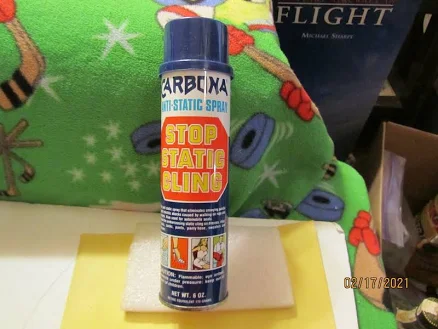
Carbona Anti-static Spray 6 Oz Tin Can 1/2 Full Made In Usa
Unknown propellant composition. No PFAS data available for this product.
This older aerosol product does not publicly disclose its propellant formula. No third-party testing or PFAS claims exist for this specific product.
We flunk more products than we pass. This one earned its grade. How we grade
Material
pressurized aerosol propellant, volatile silicones or hydrocarbons
Brand disclosure
Brand is silent on PFAS
Lab data
No public lab test
You may also be interested in
Top-graded picks in the categories readers replace first, every one scored on the same rubric.

- polypropylene filter housing, carbon/sediment cartridge
- We found no PFAS statement from the brand
- Bacterial growth in spent cartridges
3 hazards checked on this product, all on its full breakdown.

Aquasure
Premier Series 75 GPD Under Sink Reverse Osmosis Water Filtration System
- RO membrane, carbon filters, stainless steel housing
- We found no PFAS statement from the brand
- Bacterial and microbial growth in housing and filters
4 hazards checked on this product, all on its full breakdown.

Avocado
Vegan Mattress
- organic cotton, natural latex, coconut coir, recycled steel coils
- The brand calls it PFAS-free, which we have not verified
- Heavy metals
2 hazards checked on this product, all on its full breakdown.
What Carbona Anti-static Spray 6 Oz Tin Can Usa is made of, ingredients and materials
Carbona anti-static spray is a pressurized aerosol formulation designed to reduce static electricity on fabrics. The active ingredient is typically a silicone-based or hydrocarbon-based anti-static agent suspended in a volatile solvent with an aerosol propellant. The propellant chemistry is not publicly disclosed on the label or safety data sheets readily available; it was likely hydrocarbon-based (isobutane or similar) when manufactured, as chlorofluorocarbons were phased out in the 1990s. The 'half full' tin indicates it is aged stock, which may affect propellant integrity and spray consistency.
What’s concerning
Category baseline
The starting point for this type of product, before anything specific to this product is counted.
No PFAS disclosure
No public statement from the brand about PFAS in this product.
Volatile organic compounds (VOC) from propellant inhalation
All pressurized aerosol sprays release volatile propellant gas on use. The undisclosed propellant in this 1970s-1990s vintage formulation is almost certainly a hydrocarbon (isobutane, propane, or blend), which is a respiratory irritant and CNS depressant at high exposure; ventilation is critical to prevent acute dizziness or respiratory discomfort.
Skin and eye irritation from propellant and silicone aerosol
Carbona aerosol products carry standard warnings for eye contact and skin irritation on older packaging. The spray cloud is a fine aerosol that can irritate mucous membranes and eyes if applied without care or in poorly ventilated areas.
Propellant degradation and loss of efficacy in aged product
The tin is described as half full, indicating the product is partially depleted or has lost pressure over time. Propellant evaporation and separation are common in aged aerosols; the remaining propellant may have altered vapor pressure, making spray pattern unpredictable and increasing risk of liquid (rather than aerosol) discharge onto skin or eyes.
PFAS
Carbona does not disclose propellant composition or PFAS testing. Some hydrocarbon propellants and silicone surfactants may contain trace fluorinated compounds as processing residues, though this is not confirmed for this product. The lack of transparency prevents definitive assessment.
Source, ATSDR ↗What’s reassuring
Base material not linked to PFAS
The main material recorded for this product is not one associated with PFAS.
Potential formulation incompatibility with certain synthetic fabrics
No documented incompatibility or damage reports for Carbona anti-static spray on synthetics or blends, but silicone-based sprays can accumulate on delicate fibers and cause water-repellency or stiffness if overused; no brand testing data is publicly available.
How is this PFAS grade calculated?
The brand's record and disclosure
Carbona is a historic U.S. textile care brand (part of Faultless/Dial) with no major documented safety recalls for this anti-static spray product. The brand publishes minimal ingredient transparency and does not publicly disclose PFAS testing or avoidance commitments for aerosol products. No third-party certifications (GOTS, Oeko-Tex) are claimed for this product. The brand has not faced regulatory action related to this specific formulation.
How it compares in its category
Anti-static fabric sprays are a niche category with few competitors (Cling Free, generic silicone sprays). Most modern formulations have shifted toward alcohol-based or lighter hydrocarbon propellants to reduce VOC burden. Carbona's aerosol format and undisclosed propellant puts it in the middle of the transparency spectrum, better than unlabeled vintage stock, but behind brands that publish full MSDS and ingredient lists online. The half-full condition makes it less reliable than fresh product.
If you buy it
Use only in well-ventilated spaces (room-temperature spray, not heated fabrics) to avoid inhalation of propellant vapor and silicone aerosol. Avoid contact with skin, eyes, and mucous membranes; the propellant can cause irritation. Test on an inconspicuous area of fabric first to confirm compatibility and drying. Replace if the spray mechanism fails to prime or if the product separates; aged aerosols lose pressure and consistency, and propellant can degrade formulation integrity over time.
What is not known about PFAS in this product?
- Basis
- Model estimate, 45% confidence, not a lab result
- Lab test
- None on record for this exact product
- Brand statement
- Carbona has made none
Formulations change between production runs, so check the current label. How we grade.
More fabric stain guard sprays grades
How we score, every product runs through the same public 0-100 rubric based on materials, coatings, brand disclosure, lab findings, and recalls. See the full methodology → Spotted a mistake? Report an error.