Carbona · Fabric Stain Guard Sprays
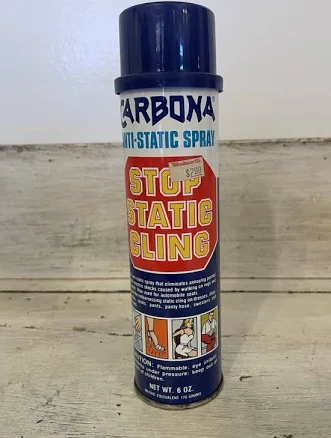
Carbona Anti-static Spray 6 Oz Tin Can 1/2 Full Original Woolworth's
Vintage aerosol. Composition unclear and brand silent on PFAS.
This older aerosol product keeps its formulation undisclosed. Without composition data or brand PFAS statements, risk level remains uncertain. Newer products with clearer labeling are preferable.
We flunk more products than we pass. This one earned its grade. How we grade
Material
pressurized aerosol propellant, antistatic polymers
Brand disclosure
Brand is silent on PFAS
Lab data
No public lab test
You may also be interested in
Top-graded picks in the categories readers replace first, every one scored on the same rubric.

- polypropylene filter housing, carbon/sediment cartridge
- We found no PFAS statement from the brand
- Bacterial growth in spent cartridges
3 hazards checked on this product, all on its full breakdown.

Aquasure
Premier Series 75 GPD Under Sink Reverse Osmosis Water Filtration System
- RO membrane, carbon filters, stainless steel housing
- We found no PFAS statement from the brand
- Bacterial and microbial growth in housing and filters
4 hazards checked on this product, all on its full breakdown.

Avocado
Vegan Mattress
- organic cotton, natural latex, coconut coir, recycled steel coils
- The brand calls it PFAS-free, which we have not verified
- Heavy metals
2 hazards checked on this product, all on its full breakdown.
What Carbona Anti-static Spray 6 Oz Woolworth's is made of, ingredients and materials
Carbona antistatic spray is a pressurized aerosol designed to reduce static cling on fabrics. The active ingredients likely include polymeric antistatic agents (such as quaternary ammonium compounds or silicone-based polymers) suspended in a propellant system. The 'half full' condition of this vintage tin suggests possible propellant loss or evaporation over storage; the exact aerosol propellant formulation (hydrocarbon, hydrofluorocarbon, or other) is not disclosed by the brand and cannot be verified from the label alone.
What’s concerning
Category baseline
The starting point for this type of product, before anything specific to this product is counted.
No PFAS disclosure
No public statement from the brand about PFAS in this product.
Volatile Organic Compounds (VOCs) and inhalation risk
Aerosol propellants and solvent carriers in vintage formulations typically release significant VOCs. Inhalation during or immediately after use can cause respiratory irritation, dizziness, or headache, especially in enclosed spaces or with prolonged exposure.
Propellant composition uncertainty
No modern safety data sheet is publicly available. The propellant type (hydrocarbon, CFC legacy, or HFC) cannot be confirmed from this vintage tin. Older aerosols may contain propellants with higher environmental impact or specific toxicity profiles not disclosed.
Container integrity and age-related degradation
This half-full Woolworth's-era tin is decades old. Internal corrosion, propellant evaporation, and coating breakdown inside the can are known failure modes for vintage aerosols. Leakage or incomplete spray function can occur without external signs.
Flammability hazard
Pressurized aerosol sprays from this era typically contain flammable propellants (hydrocarbons or halogenated hydrocarbons). Use near heat, flames, or electrical ignition sources poses fire or explosion risk.
What’s reassuring
Base material not linked to PFAS
The main material recorded for this product is not one associated with PFAS.
Formaldehyde / VOCs
No evidence on record of formaldehyde-based resins in Carbona antistatic spray formulations, but polymer composition is not disclosed; antistatic polymers themselves are generally low acute toxicity if aerosolized particles are not inhaled chronically.
Source, ATSDR ↗How is this PFAS grade calculated?
The brand's record and disclosure
Carbona, a legacy brand acquired through various ownership changes, has not published modern safety data sheets or ingredient transparency for this product line. No public certifications (e.g.Third-party chemical vetting is on record for antistatic sprays under the Carbona name. The vintage status of this Woolworth's-era tin predates contemporary disclosure standards, and the brand remains silent on PFAS use, leaving composition assumptions incomplete.
How it compares in its category
Fabric antistatic sprays as a category typically contain volatile organic compounds (VOCs) from propellants and solvent carriers. Modern alternatives often use water-based or compressed-air systems with lower VOC burdens. This aerosol formulation is representative of earlier-generation products; contemporary competitors generally offer clearer ingredient disclosure and often lower inhalation risk through non-pressurized delivery systems.
If you buy it
Use only in well-ventilated areas or outdoors to minimize inhalation of propellant vapors. Do not use near heat, open flame, or ignition sources; aerosols are flammable. Spray lightly on fabric at 6 to 8 inches distance. Replace the product if the propellant pressure feels weak or the spray pattern fails, or if the can shows rust, dents, or leaks. Store upright in a cool, dry place away from direct sunlight and extreme temperatures.
What is not known about PFAS in this product?
- Basis
- Model estimate, 55% confidence, not a lab result
- Lab test
- None on record for this exact product
- Brand statement
- Carbona has made none
Formulations change between production runs, so check the current label. How we grade.
More fabric stain guard sprays grades
How we score, every product runs through the same public 0-100 rubric based on materials, coatings, brand disclosure, lab findings, and recalls. See the full methodology → Spotted a mistake? Report an error.