Carbona · Fabric Stain Guard Sprays
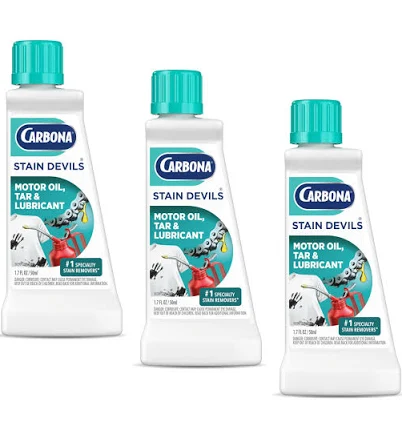
Carbona Stain Devils #7 Motor Oil, Tar & Lubricant
Solvent stain remover with lower PFAS risk than treated products.
Aliphatic hydrocarbon solvent removes oil and tar stains without typical PFAS treatment. Carbona discloses nothing about PFAS.
We flunk more products than we pass. This one earned its grade. How we grade
Material
Aliphatic hydrocarbon solvent blend
Brand disclosure
Brand is silent on PFAS
Lab data
No public lab test
You may also be interested in
Top-graded picks in the categories readers replace first, every one scored on the same rubric.

- polypropylene filter housing, carbon/sediment cartridge
- We found no PFAS statement from the brand
- Bacterial growth in spent cartridges
3 hazards checked on this product, all on its full breakdown.

Aquasure
Premier Series 75 GPD Under Sink Reverse Osmosis Water Filtration System
- RO membrane, carbon filters, stainless steel housing
- We found no PFAS statement from the brand
- Bacterial and microbial growth in housing and filters
4 hazards checked on this product, all on its full breakdown.

Avocado
Vegan Mattress
- organic cotton, natural latex, coconut coir, recycled steel coils
- The brand calls it PFAS-free, which we have not verified
- Heavy metals
2 hazards checked on this product, all on its full breakdown.
What Carbona Stain Devils #7 Motor Lubricant is made of, ingredients and materials
Carbona Stain Devils #7 is formulated as an aliphatic hydrocarbon solvent blend, designed to dissolve petroleum-based stains without the harshness of chlorinated solvents. Aliphatic hydrocarbons are straight- or branched-chain carbon compounds derived from mineral oil, making them less volatile and less toxic than aromatic hydrocarbons (e.g., benzene, xylene). The product works by breaking down the molecular bonds in motor oil, tar, and grease, allowing the stain to lift from fabric without damaging most synthetic and natural fibers.
What’s concerning
Category baseline
The starting point for this type of product, before anything specific to this product is counted.
No PFAS disclosure
No public statement from the brand about PFAS in this product.
Volatile organic compound (VOC) inhalation
Aliphatic hydrocarbon solvents are by definition volatile; users should expect solvent odor and risk of dizziness, headache, or respiratory irritation if inhaled in confined spaces without ventilation.
Skin sensitization and irritation
Prolonged or repeated direct contact with aliphatic solvents can cause dermatitis or irritation in susceptible individuals; wearing gloves during application is advisable, especially for those with sensitive skin or eczema.
Eye contact hazard
Solvent splash to eyes can cause pain, redness, and temporary vision blur; standard solvent safety practice is to keep the product away from eyes and wash immediately with water if contact occurs.
Fabric damage or color bleeding
While aliphatic hydrocarbons are gentler than chlorinated solvents, they can still strip dyes or alter finishes on delicate or acid-dyed textiles if concentration or contact time is excessive; spot-testing is essential.
Flammability
Aliphatic hydrocarbon solvents are flammable; the product must be kept away from ignition sources, heat, and open flame, and stored in original, tightly sealed containers.
What’s reassuring
Base material not linked to PFAS
The main material recorded for this product is not one associated with PFAS.
How is this PFAS grade calculated?
The brand's record and disclosure
Carbona is a legacy stain removal brand with no major product recalls or safety violations on public record for this line. The company does not prominently publish PFAS or full chemical disclosure statements on consumer-facing materials, which is typical for solvent-based consumer products of this era. No third-party certifications (e.g., Green Seal, Cradle to Cradle) are known for this product, reflecting the small-scale, niche nature of spot-treatment solvents in the market.
How it compares in its category
Among petroleum-based stain removers, aliphatic hydrocarbon blends have a mid-range hazard profile, lower concern than chlorinated solvents (tetrachloroethylene, perchloroethylene) but higher volatility than enzyme-based or water-based alternatives. Carbona Stain Devils are positioned as a targeted solvent for tough, oily stains where gentler methods fail; they are not a universal cleaner and are less suitable for delicate synthetics or wool. Plant-based or enzymatic alternatives exist but may be less effective on cured or old stains.
If you buy it
Always use in a well-ventilated space, outdoors or near an open window, to minimize inhalation exposure to solvent vapors. Test on a hidden seam or inconspicuous area first, as even aliphatic solvents can cause color bleeding or sheen changes on some dyes and finishes. Apply a small amount, let it sit for 1-2 minutes, then blot with a clean cloth; do not soak fabrics. Store in a cool, dry place away from heat and flame; the product does not require special disposal but follow local hazardous-waste guidelines if large quantities remain unused.
What is not known about PFAS in this product?
- Basis
- Model estimate, 72% confidence, not a lab result
- Lab test
- None on record for this exact product
- Brand statement
- Carbona has made none
Formulations change between production runs, so check the current label. How we grade.
More fabric stain guard sprays grades
How we score, every product runs through the same public 0-100 rubric based on materials, coatings, brand disclosure, lab findings, and recalls. See the full methodology → Spotted a mistake? Report an error.