Carhartt · Scrubs & Work Uniforms
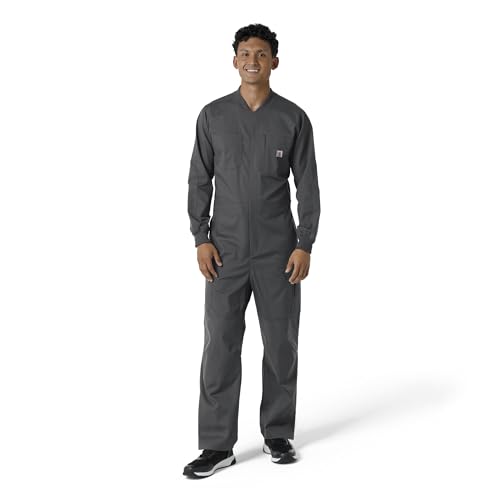
Carhartt RSCU Ripstop Coverall
Skip until Carhartt discloses water-repellent coating chemistry or provides testing.
Ripstop coveralls use water-repellent coating finish typical of workwear, but Carhartt does not disclose coating chemistry or PFAS status. No independent verification available.
Still want this one anyway? Check the price on Amazon. We’d swap it.
Material
Cotton-polyester ripstop blend with water-repellent coating
Brand disclosure
Brand is silent on PFAS
Lab data
No public lab test
You may also be interested in
Top-graded picks in the categories readers replace first, every one scored on the same rubric.

- polypropylene filter housing, carbon/sediment cartridge
- We found no PFAS statement from the brand
- Bacterial growth in spent cartridges
3 hazards checked on this product, all on its full breakdown.

Aquasure
Premier Series 75 GPD Under Sink Reverse Osmosis Water Filtration System
- RO membrane, carbon filters, stainless steel housing
- We found no PFAS statement from the brand
- Bacterial and microbial growth in housing and filters
4 hazards checked on this product, all on its full breakdown.

Avocado
Vegan Mattress
- organic cotton, natural latex, coconut coir, recycled steel coils
- The brand calls it PFAS-free, which we have not verified
- Heavy metals
2 hazards checked on this product, all on its full breakdown.
What Carhartt RSCU Ripstop Coverall is made of, ingredients and materials
This coverall is a cotton-polyester blend (ripstop weave for tear resistance) with an applied water-repellent coating (water-repellent coating) finish. The water-repellent coating is the material of concern, historically, most industrial water-repellent coating treatments relied on long-chain PFAS (PFAS "forever chemicals") to achieve water and oil repellency. Carhartt has not disclosed the specific chemistry of this coating, leaving the PFAS status unclear. The ripstop structure itself (interlocked weave) is a mechanical reinforcement, not a chemical treatment.
What’s concerning
Waterproof / stain-resistant treatment
Water-repellent coating treatments have historically used PFAS.
Category baseline
The starting point for this type of product, before anything specific to this product is counted.
No PFAS disclosure
No public statement from the brand about PFAS in this product.
PFAS
Carhartt has not disclosed the water-repellent coating chemistry. Historically, industrial-grade water-repellent coating on workwear relied on long-chain PFAS. The absence of a transparency statement or PFAS-free certification suggests conventional treatment; however, this is an inference from industry practice, not confirmed testing.
Source, ATSDR ↗Antimony in polyester component
Polyester in the blend may contain residual antimony from the manufacturing catalyst, present in trace amounts in most virgin polyester. No specific testing or limits are public for Carhartt's polyester sourcing; this is a material-class consideration, not a brand-specific issue.
water-repellent coating degradation and skin exposure over time
Water-repellent finishes wear off with washing and use, potentially exposing skin to underlying fabric and residual coating fragments. If the water-repellent coating is PFAS-based, degradation may increase contact; if alternative chemistry, risk is lower. Frequent washing and mechanical wear (friction, sweat) accelerate this process.
What’s reassuring
Formaldehyde / VOCs
No formaldehyde-free certification or disclosure is on record for Carhartt apparel. Industrial cotton-polyester blends may contain trace formaldehyde from dye-setting or fabric finishing, but Carhartt does not publish testing or certifications that would signal elevated risk.
Source, ATSDR ↗Azo dyes in fabric coloring
Carhartt uses standard industrial dyeing processes for workwear. No recalls or safety alerts related to azo dyes in Carhartt products are on record. The brand meets standard apparel safety regulations but does not publish restricted-substance lists or third-party dye safety certifications.
How is this PFAS grade calculated?
The brand's record and disclosure
Carhartt is a well-established workwear manufacturer with a strong reputation for durability and utility, but has remained silent on PFAS use and transition timelines. The brand does not publish material safety data sheets or third-party certifications for PFAS content on this product line. No major recalls or formaldehyde or azo-dye controversies have been publicly documented for Carhartt apparel. The lack of proactive disclosure, while common in the workwear sector, contrasts with brands (e.g., Patagonia, Arc'teryx) that have committed to PFAS-free water-repellent coating alternatives.
How it compares in its category
Heavy-duty cotton-polyester work coveralls with water-repellent coating coatings are the standard for this segment; Carhartt's quality is mid-to-high for the price. Alternatives include untreated cotton-only coveralls (no water repellency, lower cost), or brands using newer fluorine-free water-repellent coating chemistries (Fjallraven, some REI Co-op lines), which cost more but reduce PFAS exposure. Carhartt's silence on water-repellent coating chemistry is typical of mainstream workwear but lags consumer-transparency expectations in outdoor and performance apparel.
If you buy it
Wash before first wear to reduce loose finishes and potential skin contact. Use warm water and mild detergent; avoid chlorine bleach, which can degrade the water-repellent coating and any fluorine-based or alternative chemistry. The ripstop fabric is durable through standard industrial laundering; the water-repellent coating will fade with repeated washing, typically becoming noticeably less water-repellent after 20-40 washes. If water repellency is critical for your use, plan for periodic retreatment or replacement rather than relying on the factory coating long-term.
What is not known about PFAS in this product?
- Basis
- Model estimate, 45% confidence, not a lab result
- Lab test
- None on record for this exact product
- Brand statement
- Carhartt has made none
Formulations change between production runs, so check the current label. How we grade.
What are the PFAS-free alternatives to Carhartt RSCU Ripstop Coverall?
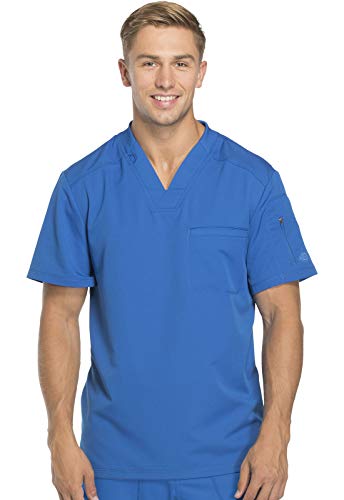
- 100% cotton twill
- We found no PFAS statement from the brand
- Azo dyes and restricted colorants
2 hazards checked on this product, all on its full breakdown.
Find an alternative on Amazon
- 100% cotton super twill, no coating disclosed
- We found no PFAS statement from the brand
- Azo dyes and aniline colorants
3 hazards checked on this product, all on its full breakdown.
Find an alternative on Amazon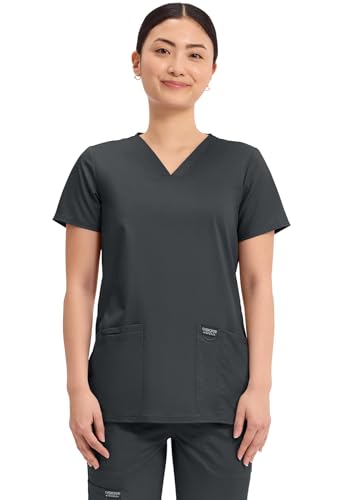
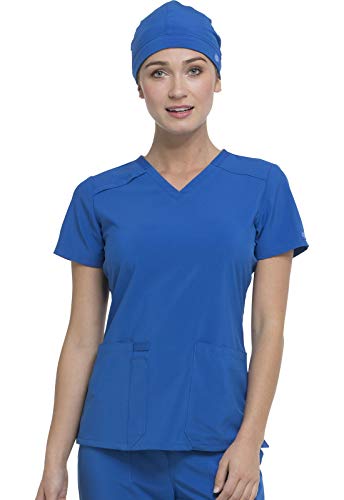
- 100% cotton twill
- We found no PFAS statement from the brand
- Shrinkage and dimensional instability
More scrubs & work uniforms grades
 65Dickies EDS Essentials Unisex STRETCH Inner Terrycloth Scrub Hat
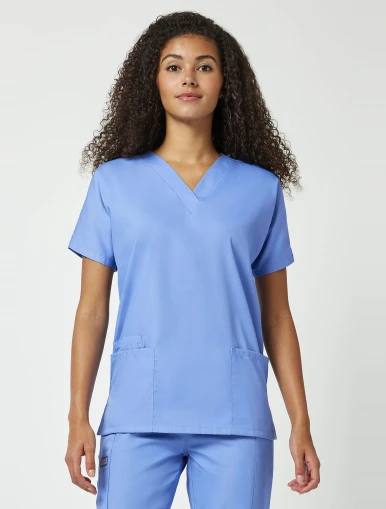 65Cherokee V-Neck Scrub Top for Women with 3 Pockets & Dolman Sleeve - 4700
 65Landau Men's Lab Coat - 65% Poly/35% Combed Cotton 5 Buttons
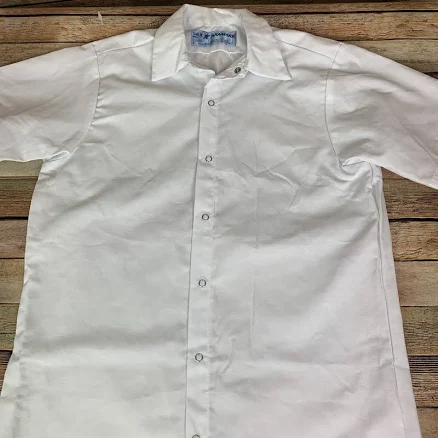 65Aramark Uniform Work Shirt Employee Short Sleeve White Snap Button Up
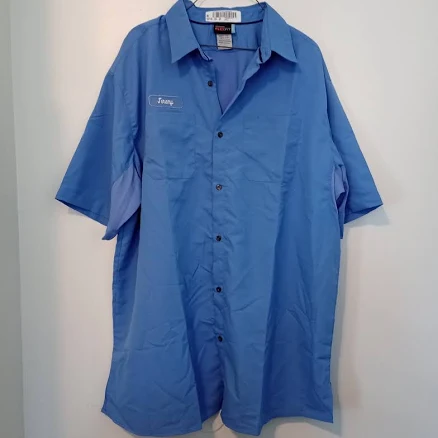 65Men’s 2xl Aramark Flexfit Uniform Work Shirt Blue
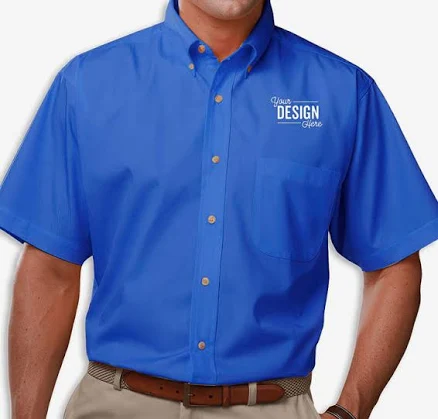 20Blue Generation Scotchgard Embroidered Short Sleeve Dress Shirt
 20Cherokee Infinity Drawstring Pant for Women Straight Leg with 360 Stretch, Wrinkle-Resistant & 4 Pockets - 1123A
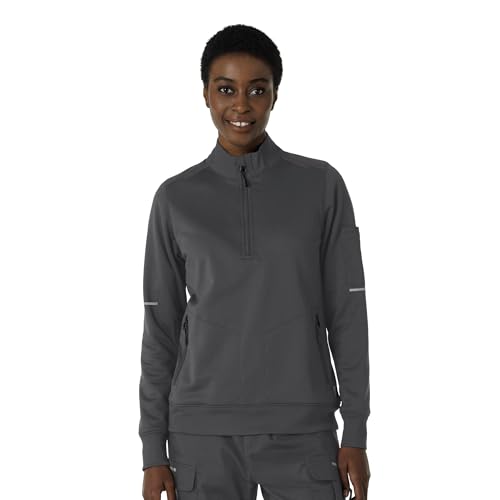 20Carhartt RSCU Half Zip
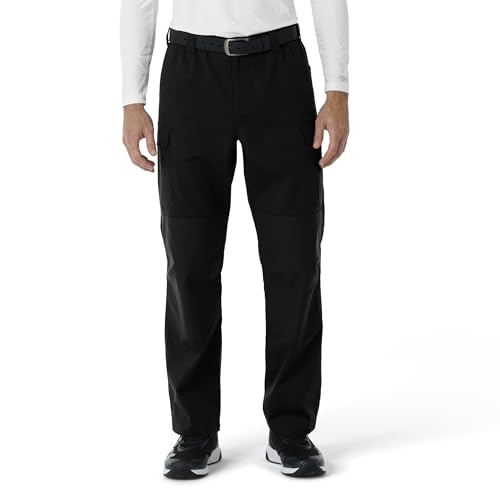 20Carhartt RSCU Ripstop Cargo Pants
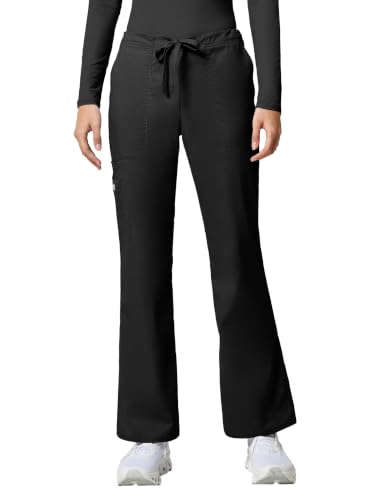 65Cherokee Workwear Women's 3-Pocket Flare Leg Drawstring Scrub PantsCompare vs Dickies →All scrubs & work uniforms →
How we score, every product runs through the same public 0-100 rubric based on materials, coatings, brand disclosure, lab findings, and recalls. See the full methodology → Spotted a mistake? Report an error.