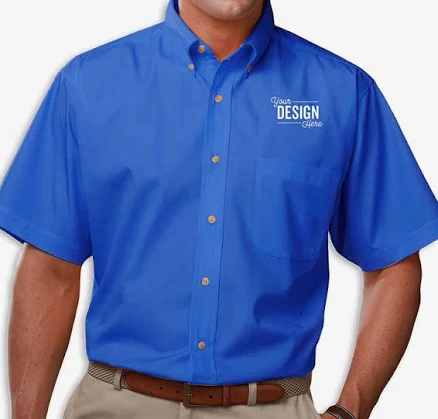
Blue Generation Scotchgard Embroidered Short Sleeve Dress Shirt
Scotchgard treatment likely contains PFAS. Seek untreated alternative.
Scotchgard is a legacy water-repellent coating finish historically linked to PFAS chemistry. The brand makes no PFAS disclosure for this product. Consider untreated cotton shirts to avoid exposure.
Still want this one anyway? Check the price on Amazon. We’d swap it.
Material
Cotton blend with Scotchgard stain/water treatment
Brand disclosure
Brand is silent on PFAS
Lab data
No public lab test
You may also be interested in
Top-graded picks in the categories readers replace first, every one scored on the same rubric.

- polypropylene filter housing, carbon/sediment cartridge
- We found no PFAS statement from the brand
- Bacterial growth in spent cartridges
3 hazards checked on this product, all on its full breakdown.

Aquasure
Premier Series 75 GPD Under Sink Reverse Osmosis Water Filtration System
- RO membrane, carbon filters, stainless steel housing
- We found no PFAS statement from the brand
- Bacterial and microbial growth in housing and filters
4 hazards checked on this product, all on its full breakdown.

Avocado
Vegan Mattress
- organic cotton, natural latex, coconut coir, recycled steel coils
- The brand calls it PFAS-free, which we have not verified
- Heavy metals
2 hazards checked on this product, all on its full breakdown.
What Blue Generation Scotchgard Dress Shirt is made of, ingredients and materials
This shirt is a cotton blend (exact synthetic content not specified in available product info) treated with Scotchgard, a commercial stain and water repellent. Cotton itself poses minimal chemical hazard; the concern is the Scotchgard finish. Scotchgard formulations have historically relied on PFAS chemistry to achieve water and oil repellency, and modern variants continue this pattern despite reformulations. Heat and agitation during laundering can degrade the treatment and potentially release or mobilize residual PFAS.
What’s concerning
Waterproof / stain-resistant treatment
Water-repellent coating treatments have historically used PFAS.
Category baseline
The starting point for this type of product, before anything specific to this product is counted.
No PFAS disclosure
No public statement from the brand about PFAS in this product.
Formaldehyde / VOCs
Cotton blend textiles often receive durable-press or wrinkle-resistant finishes that may contain formaldehyde-releasing resins. No specific finish type is disclosed for this product; if present, off-gassing is typically minimal after initial laundering.
Source, ATSDR ↗Antimony in polyester component
If the blend includes polyester (common in cotton-poly work uniform blends), antimony trioxide may be present as a catalyst. Leaching risk is low in finished garments but increases with wear and washing degradation.
Degradation of Scotchgard coating over time
Scotchgard finishes degrade with laundering and heat, releasing untreated fabric and potentially trapped processing chemicals. Repeated washing reduces water repellency and can expose underlying fibers and residual fluorinated compounds.
What’s reassuring
Azo dyes (synthetic colorants)
Blue dyes in scrubs can include azo compounds, some of which break down to aromatic amines linked to bladder cancer. No specific dye class or carcinogenic azo use is documented for Blue Generation line, but standard disclosure is absent.
Flame retardants
No indication this is a flame-resistant shirt; standard Blue Generation scrubs are not marketed as FR. If a FR version exists, it may contain chlorinated or brominated flame retardants with known endocrine and neurotoxic concerns.
Source, EPA ↗How is this PFAS grade calculated?
The brand's record and disclosure
The brand, a large uniform and facility services company, does not publicly disclose PFAS-related policies or testing data for its apparel lines. The company has not issued statements acknowledging PFAS risks in Scotchgard-treated uniforms or committed to phasing out such treatments. This silence is notable given growing institutional pressure on uniform suppliers to address PFAS in occupational clothing.
How it compares in its category
Scotchgard-treated scrubs and work uniforms remain common in the market, but many suppliers now offer untreated or alternative-treated options (silicone-based, paraffin-based, or no repellent). This product sits in the middle of the field, cheaper than premium PFAS-free uniforms, but carries documented PFAS exposure risk that labor and environmental health advocates recommend avoiding in occupational wear, especially for healthcare workers with repeated skin contact.
If you buy it
Wash separately from other clothing on a cold or warm cycle (avoid hot water, which can accelerate coating breakdown and leaching). Air dry or use low heat; high dryer temperatures degrade the finish and may volatilize residual chemicals. Do not use fabric softener or bleach, which compromise the finish. Replace the shirt when the stain-resistant coating visibly wears (beading of water stops occurring) rather than attempting to re-treat at home. If worn in healthcare, consider this a lower-priority choice given PFAS accumulation risk over a work season.
What is not known about PFAS in this product?
- Basis
- Model estimate, 62% confidence, not a lab result
- Lab test
- None on record for this exact product
- Brand statement
- has made none
Formulations change between production runs, so check the current label. How we grade.
What are the PFAS-free alternatives to Blue Generation Scotchgard Embroidered Short Sleeve Dress Shirt?
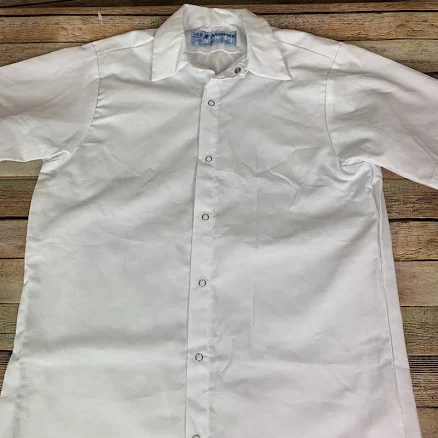
- cotton/polyester blend, no noted treatment
- We found no PFAS statement from the brand
- Antimony in polyester
2 hazards checked on this product, all on its full breakdown.
Find an alternative on Amazon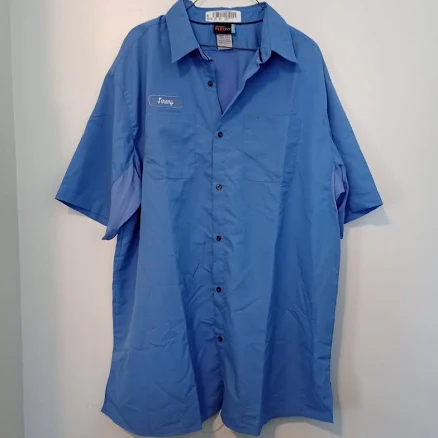
- cotton/polyester blend, unspecified finish
- We found no PFAS statement from the brand
- Heavy metals
4 hazards checked on this product, all on its full breakdown.
Find an alternative on Amazon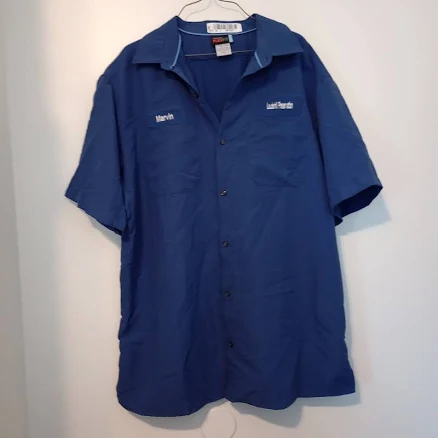
- polyester/cotton blend work shirt, no specified coating
- We found no PFAS statement from the brand
- Heavy metals
3 hazards checked on this product, all on its full breakdown.
Find an alternative on AmazonMore scrubs & work uniforms grades
How we score, every product runs through the same public 0-100 rubric based on materials, coatings, brand disclosure, lab findings, and recalls. See the full methodology → Spotted a mistake? Report an error.